Leonard Cohen
Biography
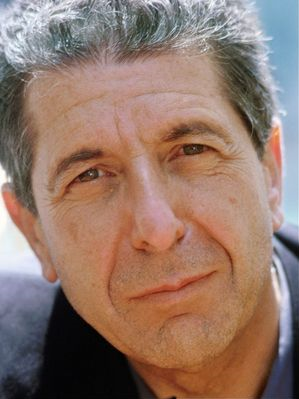
Cohen was born to a middle-class Jewish family of Polish ancestry in 1934 in Montreal, Quebec. He grew up in Westmount on the Island of Montreal. His father, Nathan Cohen, was the owner of a substantial Montreal clothing store, and died when Leonard was nine years old. Like many other Jews named Cohen, Katz, Kagan, etc., his family made a proud claim of descent from the Kohanim: "I had a very Messianic childhood," he told Richard Goldstein in 1967. "I was told I was a descendant of Aaron, the high priest."[1] As a teenager he learned to play the guitar, subsequently forming a country-folk group called the Buckskin Boys. His father's will provided Leonard with a modest trust income, sufficient to allow him to pursue his literary ambitions. Cohen idolized his father, and his death threw him into a deep depression. As he grew older he began taking the then-legal drug LSD. Cohen has said that he believes the drug opened his awareness to the "hypocrisy" and "self-delusion" that are "common traits of humanity," ideas which are prominent themes in his songs. His mother Masha Cohen, from whom he inherited his love for songs and poets, died in 1978. Cohen's depression did not lift until the late In 1951, Cohen enrolled at McGill University, where he was president of the McGill Debating Union. His first poetry book, Let Us Compare Mythologies (1956), was published under Louis Dudek as the first book in the McGill Poetry Series, while Cohen was an undergraduate. The Spice-Box of Earth (1961) made him well known in poetry circles, especially in his native Canada. Cohen applied a strong work ethic to his early and keen literary ambitions. He wrote poetry and fiction through much of the 1960s, and preferred to live in quasi-reclusive circumstances. After moving to Hydra, a Greek island, Cohen published the poetry collection Flowers for Hitler (1964), and the novels The Favourite Game (1963) and Beautiful Losers (1966). The Favourite Game is an autobiographical bildungsroman about a young man finding his identity in writing. In contrast, Beautiful Losers can be considered as an 'anti-bildungsroman' since it — in an early post modern fashion — deconstructs the identity of the main characters by combining the sacred and the profane, religion and sexuality in a rich, lyrical language. Reflecting Cohen's Québécois roots, but perhaps unusually for someone from a Jewish background, a secondary plot in Beautiful Losers concerns Tekakwitha, the Roman Catholic Iroquois mystic. Beautiful Losers initially shocked Canadian reviewers, with its explicit sexual con From Wikipedia
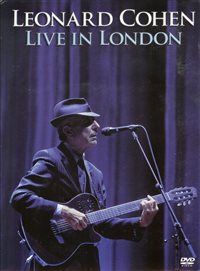
Leonard Cohen: Live in London
Himself
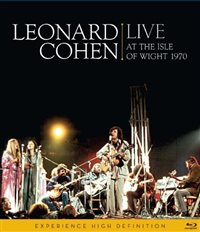
Leonard Cohen: Live at the Isle of Wight 1970
Himself (archive footage)
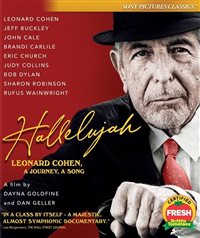
Hallelujah: Leonard Cohen, a Journey, a Song
Self
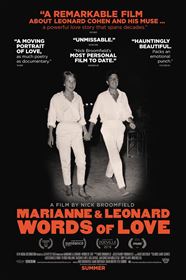
Marianne & Leonard: Words of Love
Himself (archive footage)
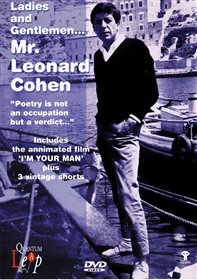
Ladies And Gentlemen... Mr Leonard Cohen
Himself
Leonard Cohen: Bird on a Wire
Himself
Bird on a Wire
Self
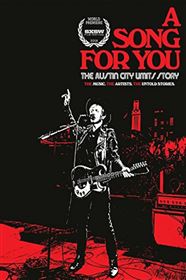
A Song for You: The Austin City Limits Story
Self (archive footage)
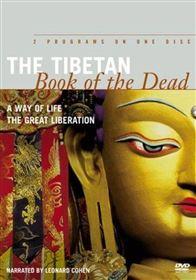
Narrator
Man (uncredited)
Hallelujah: Leonard Cohen, a Journey, a Song
Self
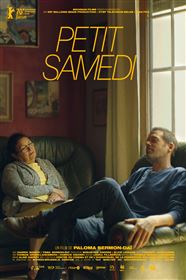
Petit Samedi
Self (archive footage) (uncredited)
Marianne & Leonard: Words of Love
Himself (archive footage)
A Song for You: The Austin City Limits Story
Self (archive footage)
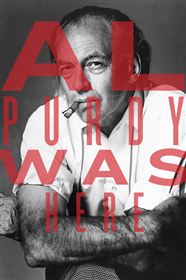
Al Purdy Was Here
Self
Leonard Cohen: Live at the Isle of Wight 1970
Himself (archive footage)
Leonard Cohen: Live in London
Himself
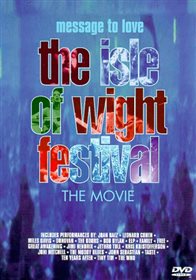
Nothing Is Easy Live At The Isle of Wight 1970
Himself
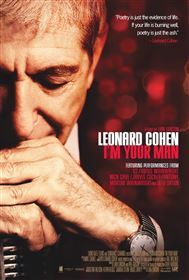
Leonard Cohen: I'm Your Man
Himself
Narrator
Bird on a Wire
Self
Leonard Cohen: Bird on a Wire
Himself
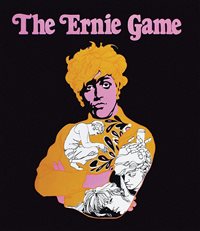
The Ernie Game
Singer
Man (uncredited)
Ladies And Gentlemen... Mr Leonard Cohen
Himself


