Alan Greenspan
Biography
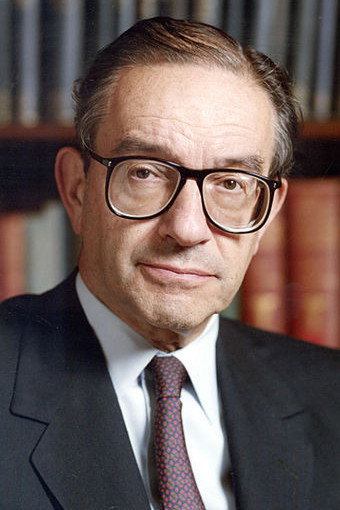
Alan Greenspan (born March 6, 1926) is an American economist and was the Chairman of the Federal Reserve of the United States from 1987 to 2006. He currently works as a private advisor and provides consulting for firms through his company, Greenspan Associates LLC. First appointed Federal Reserve chairman by President Ronald Reagan in August 1987, he was reappointed at successive four-year intervals until retiring on January 31, 2006 after the second-longest tenure in the position. He was lauded for his handling of the Black Monday October 19, 1987 stock market crash, which occurred very shortly after he first became chairman, as well as for his stewardship of the Internet-driven "dot-com" economic boom of the 1990s. This expansion eventually ended in a burst in March 2000 leading to an economic downturn. After 2001, some congressional leaders and others criticized him, for certain statements they found to overstep the Fed's traditional purview of monetary policy, and for other statements they saw as overly supportive of the policies of President George W. Bush. In 2004 Business Week Magazine criticized his keeping of low interest levels too long and his concurrent praise of sub-prime lending vehicles such as ARMs as leading to a housing bubble. Some, including Nobel Prize-winning economists Joseph E. Stiglitz and Paul Krugman, attribute a large degree of culpability for the devastating late 2000s recession to Greenspan. Greenspan, according to The New York Times, says he is blameless. All considered, during his tenure Greenspan was the leading authority on American domestic economic and monetary policy, and his active influence continues. He was also nicknamed "the maestro" after his tenure as chairman of the US Federal Reserve.
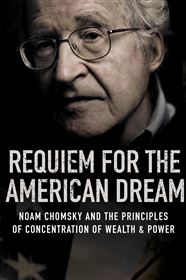
Requiem for the American Dream
Self (archive footage)

Laissez-faire Vol. 1
Self (archive footage)
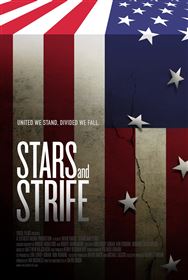
Stars and Strife
Self
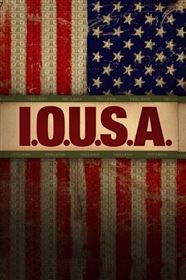
I.O.U.S.A.
Himself
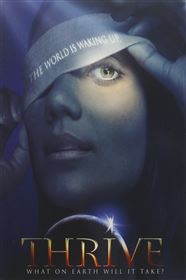
Thrive: What on Earth Will It Take?
Self (archive footage)
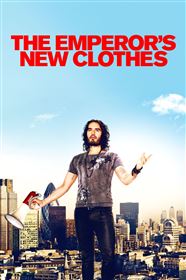
The Emperor's New Clothes
Economist, USA (archive footage)
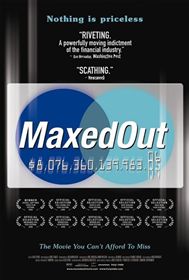
Maxed Out
Himself (archive footage) (uncredited)
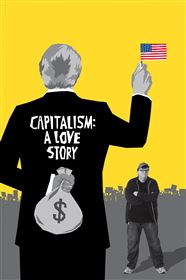
Capitalism: A Love Story
Self
Stars and Strife
Self
The Emperor's New Clothes
Economist, USA (archive footage)
Requiem for the American Dream
Self (archive footage)
Laissez-faire Vol. 1
Self (archive footage)
Thrive: What on Earth Will It Take?
Self (archive footage)
Capitalism: A Love Story
Self
I.O.U.S.A.
Himself
Maxed Out
Himself (archive footage) (uncredited)


