Roy Vongtama
Biography
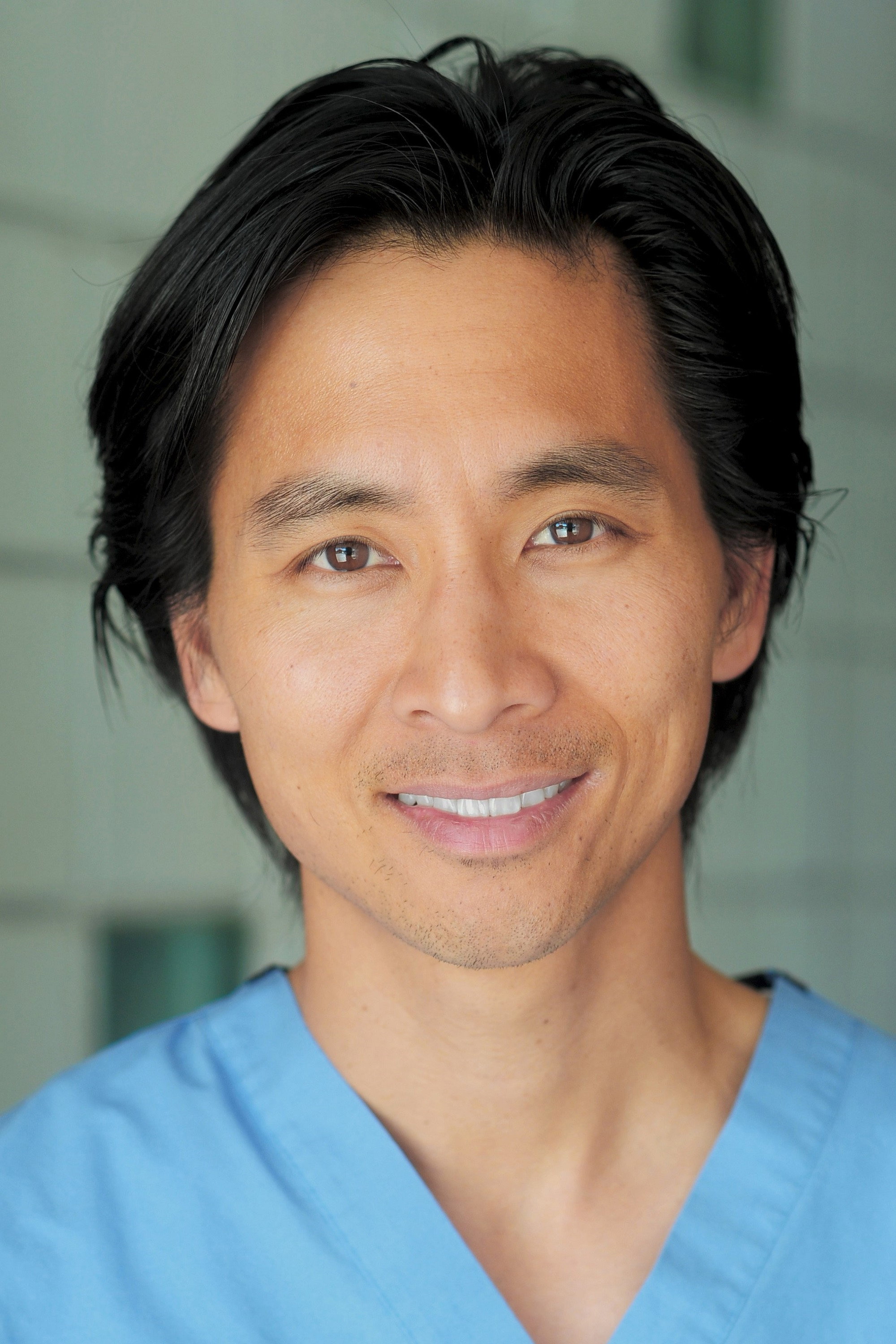
In his first feature film, The Bucket List, Vongtama plays a doctor alongside Morgan Freeman and Jack Nicholson. It’s a small part, he admits, but quite an achievement for a young man who, as a Penn undergrad, was more interested in textbooks and research labs than cameras and lights. Though Vongtama now spends most of his time acting—he recently landed a recurring role on General Hospital: Night Shift and filmed an episode of 24—he hasn’t forgotten his penchant for science. When he’s not going on auditions or shooting scenes, Vongtama (who earned his medical degree at SUNY Buffalo) works as a real-life radiation oncologist at UCLA and Kaiser Permanente, a specialization he’s able to practice part-time since it treats mainly outpatients. His day job also gives him a chance to polish his stage persona. With his sleek black hair and piercing eyes, Vongtama is about as close to a Dr. McDreamy (as Dempsey’s character on Grey’s Anatomy is sometimes called) as real-life doctors come. Yet he almost missed his chance to be admired outside the exam room. At Penn, Vongtama ignored the multitude of performance groups and instead played on the golf team and researched depression in minorities (his major was biological basis of behavior). Still, it was at Penn that he got his first taste of stardom after a woman approached him at a party. She asked if he’d be interested in modeling, and he wound up appearing in print ads for French Connection and Guess, among others. But it wasn’t until he came back to Philadelphia in 2001 for an internship at Graduate Hospital that the acting bug bit. At the time, “I wasn’t really happy with who I was,” Vongtama recalls. “I’d been partying a lot and wasn’t really focusing on medicine as much as I should have been. One day, I saw a sign for an Introduction to Acting course [at the Walnut Street Theatre]. I thought, ‘That’s probably why I’m not happy—because I’m not famous.’” He enrolled in the class right away, but soon faced other obstacles to fame. “The guy who was teaching the course asked what I did as a day job. I told him I was a doctor, and he said, ‘You should probably just be a doctor.’ But when anyone tells me I can’t do something, that’s the thing I’m going to be doing.” When he left Graduate Hospital later that year and had to choose a place for his residency, Vongtama’s top priority was access to Hollywood. He applied to UCLA, and when the department chairman asked why he had selected the radiation oncology program (rather than a more prestigious one), Vongtama responded honestly: “I told him I wanted to be an actor. He said, ‘I always wanted to do that!’ He also said that as long as I maintained all my residency requirements, I could continue my acting training and take vacation time when I needed it.” Vongtama did just that, enrolling in courses on scene study, commercial acting, and improvisation. By the time he completed his residency in 2005, he’d already booked several small gigs, including a stint as a doctor on the TV show Untold Stories of the ER. Over the years, Vongtama’s acting and medical careers have formed a symbiotic relationship. “Being an actor has actually made me a better doctor,” he says. “Patients have told me so—the change was that dramatic. I think it comes from being able to put myself in other people’s shoes … you don’t get training for that in medical school.” At the same time, his experience as a doctor has helped Vongtama land numerous roles portraying medical professionals of all stripes, from doctors to paramedics to physician’s assistants.
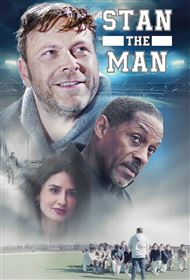
Stan the Man
Mike Eckles
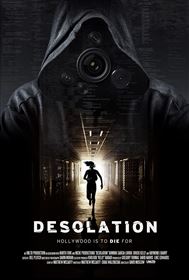
Desolation
Therapist
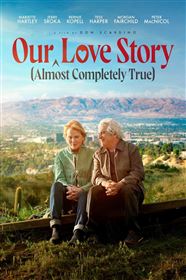
Our Almost Completely True Story
Dr. Osuma
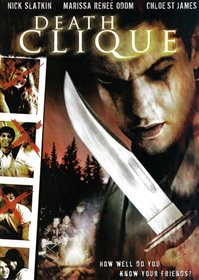
Death Clique
Detective Lee
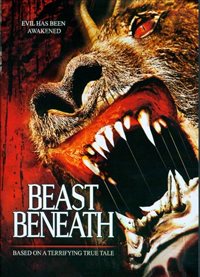
Beast Beneath
Zhan Foo
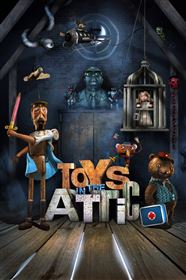
Toys in the Attic
School Boy & Monkey (voice)
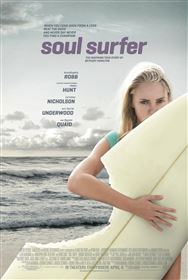
Soul Surfer
Voice Artist (uncredited)
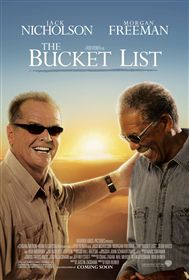
The Bucket List
Doctor #1
Stan the Man
Mike Eckles
Our Almost Completely True Story
Dr. Osuma
Desolation
Therapist
Death Clique
Detective Lee
Soul Surfer
Voice Artist (uncredited)
Beast Beneath
Zhan Foo
Toys in the Attic
School Boy & Monkey (voice)
The Bucket List
Doctor #1


