Heathcote Williams
Biography
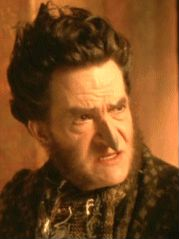
Heathcote Williams (born 15 November 1941) is an English poet, actor and award-winning playwright. He is also an intermittent painter, sculptor and long-time conjuror. He is perhaps best known for the book-length polemical poem Whale Nation, which in 1988 became "the most powerful argument for the newly instigated worldwide ban on whaling." In the early 1970s, his agitational graffiti were a feature on the walls of the then low-rent end of London's Notting Hill district. Early life and career John Henley Jasper Heathcote-Williams was born in Helsby, Cheshire. After his schooldays at Eton, he changed his name to Heathcote Williams. His father, also named Heathcote Williams, was a lawyer. From his early twenties, Williams has enjoyed a minor cult following. His first book was The Speakers (1964), an account of life at Speakers' Corner in London's Hyde Park. In 1974, it was adapted for the stage by the Joint Stock Theatre Company. His first full-length play, AC/DC (1970), a critique of the burgeoning mental health industry, includes a thinly veiled attack on his fellow denizen of 1960s alternative society, and doyen of the anti-psychiatry movement, R.D. Laing. Its production at the Royal Court Theatre, did not, however, appear to impede cordial relations between the two in later years. AC/DC won the London Evening Standard's Most Promising Play Award. It also received the 1972 John Whiting Award for being "a new and distinctive development in dramatic writing with particular relevance to contemporary society." It was described in the Times Literary Supplement in a front-page review by Charles Marowitz as 'the first play of the 21st century.' AC/DC was produced in New York in 1971 at the Chelsea Theater Center at the Brooklyn Academy of Music. Other plays include the one-act monologue Hancock's Last Half Hour, The Local Stigmatic, The Immortalist, and the impossible to categorise Remember The Truth Dentist — an early effort, again at the Royal Court, directed by fellow-contrarian Ken Campbell. The inaugural issue of the London Review of Books included an effusive profile by fellow Etonian Francis Wyndham titled The Magic of Heathcote Williams. His foremost fans among the famous are the late Harold Pinter and Al Pacino. Film The theme of Williams's early one-act play The Local Stigmatic is fame and its adverse consequences, possibly a reason why Al Pacino, with financial assistance from Jon Voight, would perform it Off-Off-Broadway before he himself achieved what the play pillories. In later years the film version became known as 'Pacino's secret project,' representing the actor's debut as a director. It was released as part of the Pacino: An Actor's Vision box-set in 2007. Williams's own film performances include Prospero in Derek Jarman's version of The Tempest (1979), Wish You Were Here (1987) and Sally Potter's Orlando (1992). His portrayal of the central character's psychiatrist in Wish You Were Here became something of a YouTube favourite. Williams has more recently enjoyed a steady stream of bit-parts in big-budget Hollywood productions, such as The City of Ember and the ill-fated Basic Instinct 2. Television His first brush with TV overlapped with community politics. It came courtesy of a 1970s experiment by the BBC in what became known as "public access television". Williams, in the dubious if green guise of a tree somehow blessed with oratorical powers, regaled the watching millions for a full fifteen minutes on the virtues of life without Westminster. Albion Free State was his name for a utopian vision of an England free from government and bosses. Williams was one of 120 or so squatters who had commandeered a small chunk of West London, just about visible from Television Centre itself. Frestonia, as the extensive squat was known, had declared itself independent of Great Britain. The actor David Rappaport was proclaimed Foreign Minister and Williams served as ambassador to the UK. Postage stamps were issued bearing the face of Guy the Gorilla instead of the Queen; they made no mention of currency, but simply carried the legend, God Will Provide. The whole rebellion, which exasperated the authorities for years, entailed much litigation before the bulldozers were finally able to move in. Williams later applied his abilities as a conjurer – he has long been a member of the Magic Circle – to come up with a Christmas play based on the little-known fact that Charles Dickens used to revel in performing magic shows for his friends and extended family. What the Dickens! depicted the novelist, with the likes of Thomas Carlyle and Thackeray standing by to assist, as he manipulated "airy nothings" and assorted props to the delighted squeals of foundling children from the Thomas Coram Home. The production featured a young Ben Cross as Dickens, with a supporting cast that included Dinsdale Landen and Kenneth Haigh. It was broadcast by Channel 4 in Christmas 1983, with a repeat screening the following Christmas. In March 1993, Williams was the not entirely enthusiastic subject of a spoof arts documentary titled Every Time I Cross the Tamar I Get Into Trouble. Screened by Channel Four in its Without Walls slot, it implicitly sparred yet again with the recurring theme of the fatality of fame, its hollow allurements and the nature of fandom. In this instance, just for a change, a twinkling Pacino appeared happy to cast himself in the role of fan, implying his own supposed discomfiture with the whole grisly business of showbiz renown. The BFI film database characterises the film thus: "An account of Heathcote William's work, and Al Pacino's obsession with his writing. Includes an interview with Harold Pinter and footage from Pacino's film The Local Stigmatic." The half-hour film was presented by the comedian and musician John Dowie, amply cut out for the part by dint of his own declared anorakish urge to collect all available Williams memorabilia. The fruits of his scouring the auction lists and the second-hand bookshops, he revealed, he kept in a special large wooden box. The element of spoof revolved around the conceit that the film's subject didn't turn up until the very last minute, and then only to decline to take part. In fact, he had appeared earlier, but in a variety of ludicrous disguises. The title alluded to the fact that Williams, living at the time in Cornwall just the other side of the River Tamar, seemed twice over the years – first after AC/DC, and then in the wake of Whale Nation – to have come to grief as a consequence of having succumbed to the temptations arising out of not just one, but from a second 15 minutes of fame. In 1998, he appeared in an episode of the US TV sitcom Friends. (from wikipedia)
Lover's Prayer
Dr. Looshin
The Tempest
Prospero, the Right Duke of Milan
The IMAX Nutcracker
'Uncle' Drosselmeier
Malatesta
Josef Solokow
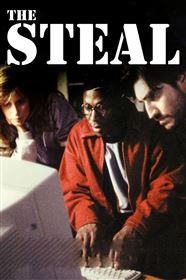
The Steal
Jeremiah
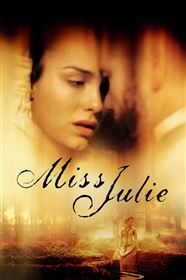
Miss Julie
Servant
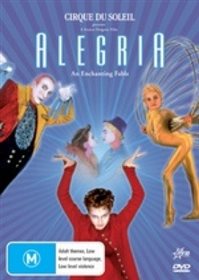
Alegría
Marcello
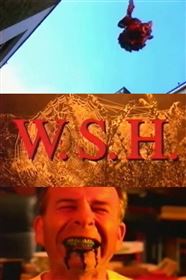
Weird Shit Happens
Nostradamus
Pepe
City of Ember
Sadge Merrall
Nostradamus
Pepe
Basic Instinct 2
Jakob Gerst
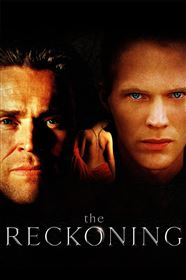
The Reckoning
Undertaker
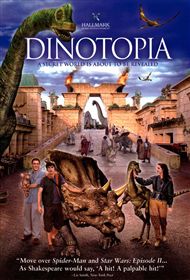
Dinotopia
Razouli (2 episodes, 2002-2003)
Lover's Prayer
Dr. Looshin
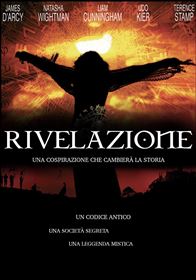
Revelation
New Age Man
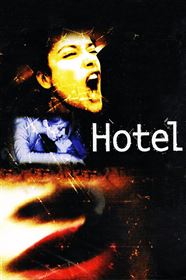
Hotel
Bosala
Professor
The Escort
Ann's Father
Miss Julie
Servant
Alice in Wonderland
Mr. Eaglet
Alegría
Marcello
Cousin Bette
Nucingen
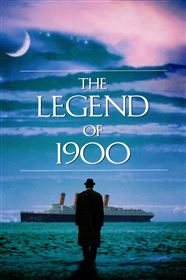
The Legend of 1900
Doctor Klauserman
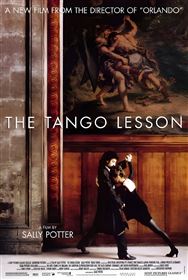
The Tango Lesson
Builder
The IMAX Nutcracker
'Uncle' Drosselmeier
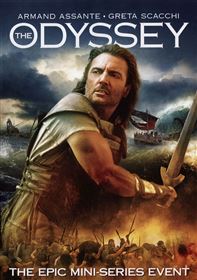
Odyssey, The
Laocoon
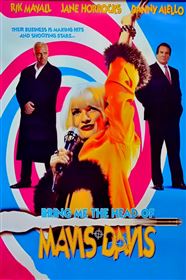
Bring Me The Head Of Mavis Davis
Jeff
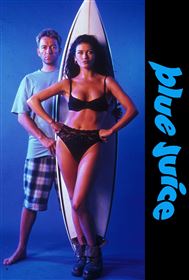
Blue Juice
Shaper
The Steal
Jeremiah
Weird Shit Happens
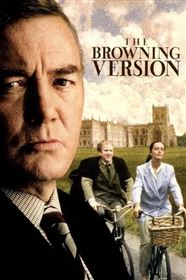
The Browning Version
Dr. Lake
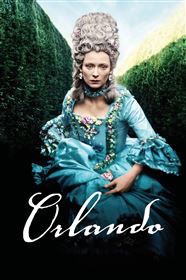
Orlando
Nick Greene / Publisher
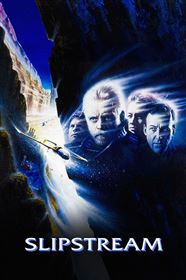
Slipstream
Man on Stairs
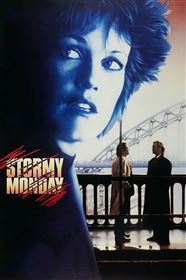
Stormy Monday
Peter Reed
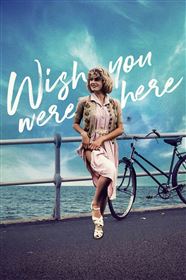
Wish You Were Here
Dr. Holroyd
The Tempest
Prospero, the Right Duke of Milan

Malatesta
Josef Solokow


