Rita Hayworth
Biography
Rita Hayworth (October 17, 1918 – May 14, 1987), was an American actress who rose to stardom in the 1940s as the era's leading sex symbol. She is listed as one of the American Film Institute's greatest stars of all time. The "love goddess" image was cemented with Bob Landry's 1941 Life magazine photograph of Hayworth kneeling on her own bed in a silk and lace nightgown, which caused a sensation and became (at over five million copies) one of the most requested wartime pinups. Also in 1941 Rita made the cover of Time Magazine, her image drawn by famed pin up artist George Petty. During World War II she ranked with Betty Grable, Dorothy Lamour, Hedy Lamarr, and Lana Turner as the pinup girls most popular with servicemen. Rita Hayworth would also become Columbia Pictures's biggest star of the 1940s, under the watchful eye of studio chief Harry Cohn, who recognized her value. After she played another seductive adultress in Tales of Manhattan (1942) at Twentieth Century Fox opposite Charles Boyer, Cohn would no longer allow Hayworth to be lent out to other studios. Hayworth's well-known films include the musicals that made her famous: You'll Never Get Rich (1941) and You Were Never Lovelier (1942) (both with Fred Astaire, who wrote in his autobiography that she "danced with trained perfection and individuality," and later cited Hayworth as his favorite dancing partner), the Technicolor My Gal Sal (1942) (again at Fox) with Victor Mature, and her best known musical, Cover Girl (1944) , her first Technicolor film at Columbia Pictures, with Gene Kelly. Although her singing voice was dubbed in her movies, Hayworth was one of Hollywood's finest dancers, imbued with power, precision, tremendous enthusiasm, and an unearthly grace.[citation needed] Cohn continued to effectively showcase Hayworth's physical beauty and talents in expensive Technicolor musical films: Tonight and Every Night (1945) a wartime romance with Lee Bowman, and in Down to Earth (1947), with Larry Parks, where she played the goddess Terpsichore, and executed a range of dance styles, including modern, with impressive mastery. Her erotic appeal was most notable in Gilda (1946), a black-and-white film noir directed by Charles Vidor, which encountered some difficulty with censors. This role — in which Hayworth in black satin performed a legendary one-glove striptease — made her into a cultural icon as the ultimate femme fatale. Alluding to her bombshell status, in 1946 her likeness was placed on the first nuclear bomb to be tested after World War II at Bikini Atoll in the Marshall Islands, as part of Operation Crossroads. "No matter how bad the film, when Rita danced it was like watching one of nature's wonders in motion," Joseph Cotten once remarked in a documentary about her. Hayworth was so famed for her dancing that almost all of her subsequent films (mostly dramas at this point) included musical interludes and at least one dance number, usually choreographed by frequent collaborator Jack Cole, and later by Valerie Bettis. Along with the dance numbers in Gilda, Jack Cole choreographed one of Hayworth's best-remembered dance routines, the samba from 1945's Tonight and Every Night, which Hayworth performed while pregnant with her first child, Rebecca Welles (daughter of Orson Welles). Rita also danced a traditional flamenco with her uncle Jose Cansino in The Loves of Carmen (1948). Hayworth was the first dancer to partner both Fred Astaire and Gene Kelly on film — the others being Judy Garland, Vera Ellen, Cyd Charisse, Leslie Caron, and Debbie Reynolds. Hayworth gave one of her most acclaimed performances in Orson Welles's moody film noir The Lady from Shanghai (1948), though it failed at the box office. The failure was in part attributed to the fact that director/co-star Welles had Hayworth's famous red locks cut off and the rest dyed blonde for her role. This was done without Harry Cohn's knowledge or approval, and he was furious over the change. Her next film, The Loves of Carmen (1948) with Glenn Ford, was the first film co-produced by Columbia and Rita's own production company, The Beckworth Corporation (named for her daughter Rebecca). It was Columbia's biggest moneymaker for that year. She received a percentage of the profits from this and all of her subsequent films until 1955, when Hayworth dissolved Beckworth to pay off debts she owed to Columbia.

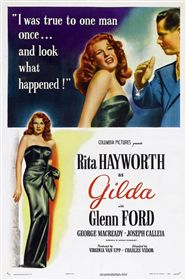
Gilda
Gilda Mundson Farrell

The Lady from Shanghai
Elsa Bannister
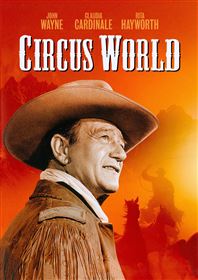
Circus World
Lili Alfredo
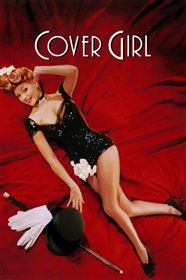
Cover Girl
Rusty Parker / Maribelle Hicks
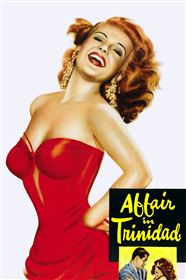
Affair in Trinidad
Chris Emery

Only Angels Have Wings
Judy MacPherson
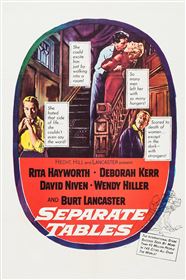
Separate Tables
Ann Shankland

You'll Never Get Rich
Sheila Winthrop
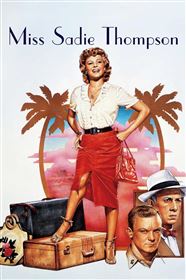
Miss Sadie Thompson
Sadie Thompson
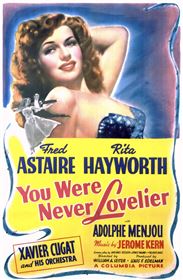
You Were Never Lovelier
Maria Acuña
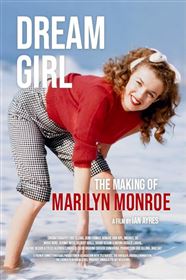
Dream Girl: The Making of Marilyn Monroe
Self (archive footage)
Marilyn - Made in Hollywod
Gilda (archive footage)

Rita Hayworth - Zu viel vom Leben
Self - Subject (archive footage)
Hollywood, das erträumte Leben der Lana Turner
Self (archive footage)

The Fabulous Allan Carr
Self (archive footage)
Gene Tierney - Hollywoods vergessener Star
(archive footage)
This Is Orson Welles
Self (archive footage)

Casting By
Self (archive footage)
Final Cut: Ladies and Gentlemen
Gilda (archive footage)

Johnny Mercer: The Dream's on Me
Self
Hollywood on the Tiber
Herself (archive footage)
Oscarverleihung 1999
Gilda (archive footage) (uncredited)
Playboy - Farrah Fawcett - All of Me
Herself (archive footage)
Self (archive footage)
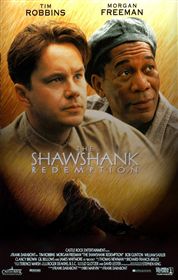
The Shawshank Redemption
Gilda Mundson Farrell (archive footage) (uncredited)
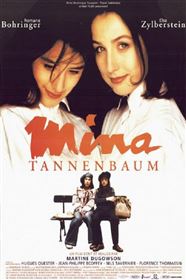
Mina Tannenbaum
Gilda (archive footage) (uncredited)
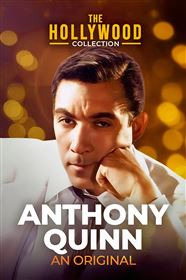
Anthony Quinn: An Original
Herself (archive footage)
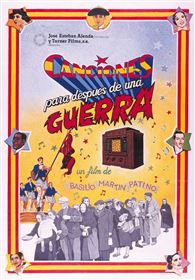
Self (archive footage) (uncredited)
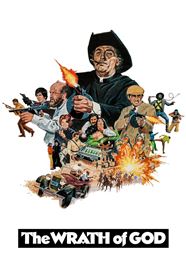
Zum Teufel mit Hosianna
Señora De La Plata
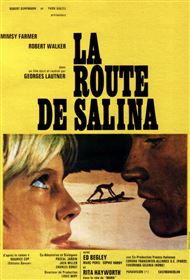
The Road to Salina
Mara
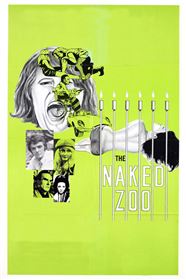
The Grove
Mrs. Golden
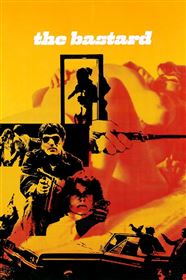
The Cats
Martha Williams
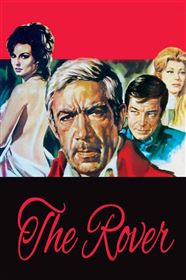
The Rover
Aunt Caterina
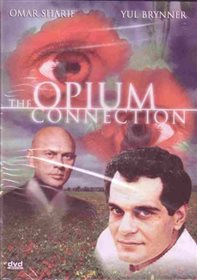
Mohn ist auch eine Blume
Monique Marko
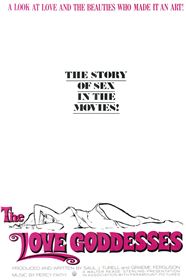
The Love Goddesses
Herself (archive footage)
Circus World
Lili Alfredo
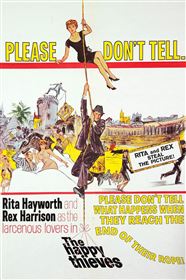
The Happy Thieves
Eve Lewis
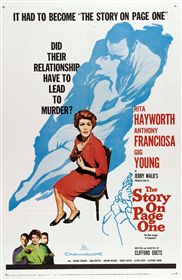
The Story on Page One
Josephine Brown / Jo Morris
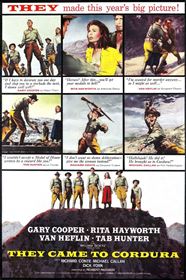
They Came to Cordura
Adelaide Geary
Separate Tables
Ann Shankland
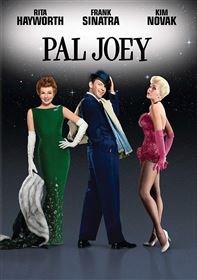
Pal Joey
Mrs. Vera Prentice-Simpson
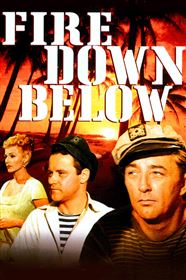
Fire Down Below
Irena
Miss Sadie Thompson
Sadie Thompson
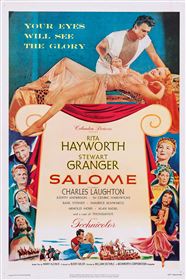
Salome
Princess Salome
Affair in Trinidad
Chris Emery
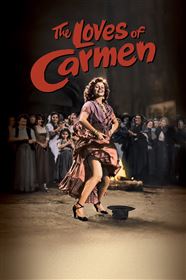
The Loves of Carmen
Carmen
The Lady from Shanghai
Elsa Bannister
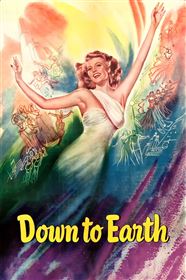
Down to Earth
Terpsichore / Kitty Pendleton
Gilda
Gilda Mundson Farrell
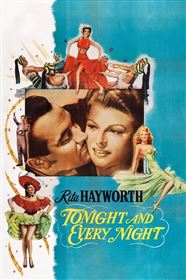
Tonight and Every Night
Rosalind Bruce
Cover Girl
Rusty Parker / Maribelle Hicks
You Were Never Lovelier
Maria Acuña
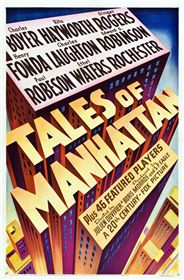
Tales of Manhatten
Ethel Halloway
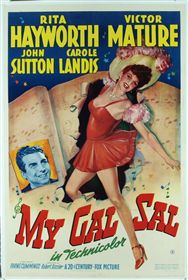
My Gal Sal
Sally Elliott
Breakdowns of 1941
Self (archive footage) (uncredited)
You'll Never Get Rich
Sheila Winthrop
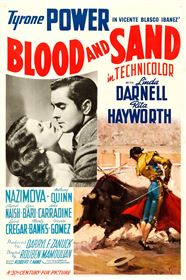
Blood And Sand
Dona Sol
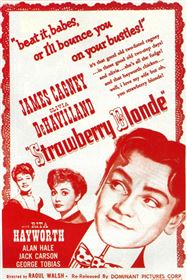
The Strawberry Blonde
Virginia Brush
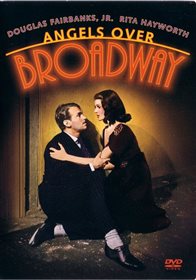
Angels Over Broadway
Nina Barona
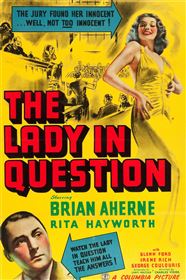
The Lady in Question
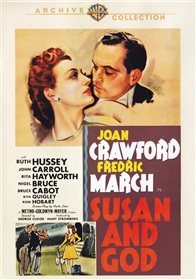
Susan und der liebe Gott
Leonora Stubbs
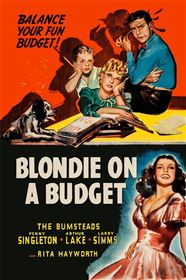
Blondie on a Budget
Joan Forrester
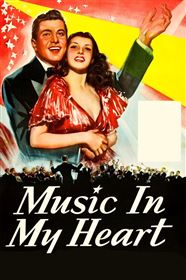
Music in My Heart
Patricia O'Malley
Only Angels Have Wings
Judy MacPherson
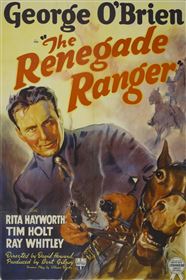
El Renegado
Judith Alvarez
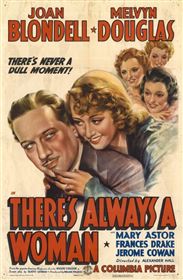
There's Always a Woman
Mary - Ketterling's Secretary (uncredited)

Special Inspector
Patricia Lane
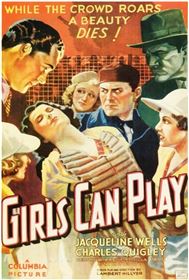
Girls Can Play
Sue Collins
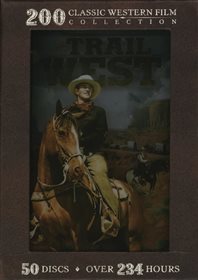
Trouble In Texas
Carmen Serano (as Rita Cansino)
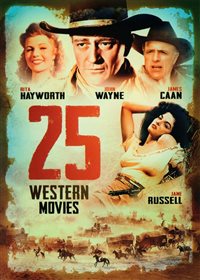
Hit the Saddle
Rita (as Rita Cansino)
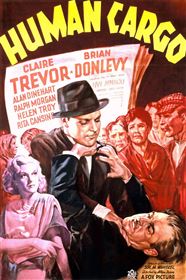
Carmen Zoro
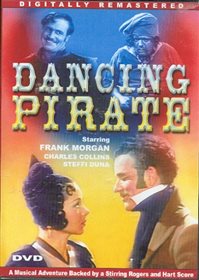
Dancing Pirate
Specialty Dancer (uncredited)
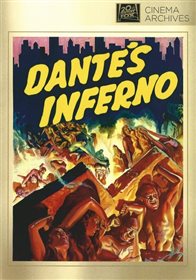
Dante's Inferno
Dancer (as Rita Cansino)
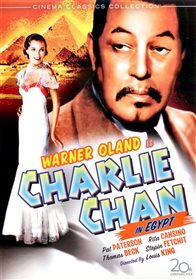
Charlie Chan in Egypt
Nayda (as Rita Cansino)
Extra (uncredited)


