Alvah Bessie
Biography
One of the "Hollywood Ten", and father of Dan Bessie. Ernest Hemingway, the most prominent of the American supporters of the Spanish Republic during the Civil War against Gen. Francisco Franco's fascist Falangists, said that Bessie's Spanish Civil War novel "Men in Battle" was one of the best war novels of its time. Hemingway's own Spanish Civil War novel, "For Whom the Bell Tolls", won the 1940 Pulitzer Prize for fiction. Was nominated for a 1945 Oscar for Best Original Story for Objective, Burma! (1945), a very patriotic motion picture. Communist Party members like Bessie and fellow Hollywood 10 member Dalton Trumbo originally opposed World War II as the Soviet Union was an ally of Germany from 1939 to 1941. With the June 1941 invasion of the USSR by Nazi Germany, Communist Party members became super-patriotic and threw themselves into the war effort. Was a good friend of actor Lee J. Cobb, who also held similar political views, until Cobb refused to lend him $500 after Bessie was ruined financially by legal fees incurred during the appeals of his contempt citation issued by the House Un-American Activities Commission (HUAC). Bessie and other members of the "Hollywood 10" braved the Committee's inquisition into supposed Communist "subversion" of Hollywood by refusing to cooperate with the Committee's investigation. When Cobb told him that $500 wouldn't solve his problems, their friendship was over. Cobb later turned out with hundreds of supporters of the Hollywood 10 who were flying to Washington, DC, for their trials on charges of contempt of Congress levied by HUAC. Was a member of the U.S. Communist Party when he fought with the famous Abraham Lincoln Brigade in Spain during the Spanish Civil War and during his tenure as a Hollywood screenwriter. He resigned from the Party in 1954. As Alvah C. Bessie, won a 1936 O. Henry Award for his short story "A Personal Issue", which appeared in Scribner's Magazine.

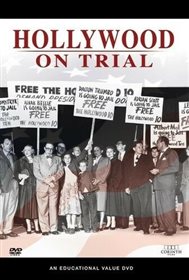
Hollywood on Trial
Self - Interviewee
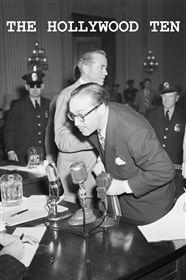
Self
The Majestic
Himself (Hollywood Ten, arrives, behind Cole) (archive footage) (uncredited)
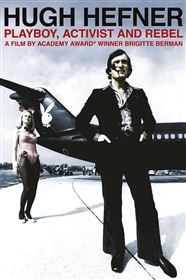
Hugh Hefner: Playboy, Ativista e Rebelde
Himself (Testifying Before House Un-American Activities Committee) (archive footage) (uncredited)
Hugh Hefner: Playboy, Ativista e Rebelde
Himself (Testifying Before House Un-American Activities Committee) (archive footage) (uncredited)
The Majestic
Himself (Hollywood Ten, arrives, behind Cole) (archive footage) (uncredited)
Hollywood on Trial
Self - Interviewee
Self


