Toshirô Mifune
Biography
Toshiro Mifune 1 April 1920 – 24 December 1997) was a Japanese actor who appeared in almost 170 feature films. Toshiro Mifune was born in Qingdao, China, to Japanese parents, and grew up in the Chinese city of Dalian with his parents and two siblings. In his youth, Mifune worked in the photography shop of his father Tokuzo, a commercial photographer and importer who had emigrated from northern Japan. Tokuzo was a Methodist, and there is evidence that he was also a missionary, ministering to the ethnic Japanese Christians in Dalian. Although the young Toshiro spent the first 19 years of his life in China, as a Japanese citizen he was drafted into the Imperial Japanese Air Force, where he served in the Aerial Photography (Ko-type) unit during the Second World War. He repatriated to Japan in 1946. In 1947, one of Mifune's friends who worked for the Photography Department of Toho Productions suggested Mifune try out for the Photography Department. He was accepted for a position as an assistant cameraman. However, the union was affiliated with the Communist party, which made Mifune, a religiously conservative man, very uncomfortable. At this time, a large number of Toho actors, after a prolonged strike, had left to form their own company. The studio organized a "new faces" contest to find new talent. Mifune's friends submitted an application and photo, without his knowledge. He was accepted, along with 48 others (out of roughly 4000 applicants), and allowed to take a screen test for Kajiro Yamamoto. Instructed to mime anger, he drew from his wartime experiences, delivering such a powerfully authentic performance that the testers feared he would be too arrogant and troublesome to work with. Fortunately, however, Yamamoto took a liking to Mifune, recommending him to director Senkichi Taniguchi. This led to Mifune's first feature role, in Shin Baka Jidai. One of Mifune's fellow performers, one of the 32 women chosen during the new faces contest, was Sachiko Yoshimine. Eight years Mifune's junior, she came from a respected Tokyo family. They fell in love and Mifune soon proposed marriage. Yoshimine's parents were strongly opposed to the union. Mifune was doubly an outsider, being a non-Buddhist as well as a native Manchurian. His choice of profession also made him suspect, as actors were generally assumed to be irresponsible and financially incapable of supporting a family. Director Senkichi Taniguchi, with the help of Akira Kurosawa, convinced the Yoshimine family to allow the marriage. It took place in February of 1950. In November of the same year, their first son Shiro was born. In 1955, they had a second son, Takeshi. Mifune's daughter Mika was born to his mistress, actress Mika Kitagawa, in 1982. His imposing bearing, acting range, facility with foreign languages and lengthy partnership with acclaimed director Akira Kurosawa made him the most famous Japanese actor of his time, and easily the best known to Western audiences. He often portrayed a samurai or ronin, who was usually coarse and gruff (Kurosawa once explained that the only weakness he could find with Mifune and his acting ability was his "rough" voice), inverting the popular stereotype of the genteel, clean-cut samurai. In such films as Seven Samurai and Yojimbo, he played characters who were often comically lacking in manners, but replete with practical wisdom and experience, understated nobility, and, in the case of Yojimbo, unmatched fighting prowess. Sanjuro in particular contrasts this earthy warrior spirit with the useless, sheltered propriety of the court samurai. Kurosawa highly valued Mifune for his effortless portrayal of unvarnished emotion, once commenting that he could convey in only three feet of film an emotion that would require the average Japanese actor ten feet. On the other hand, his portrayal of Musashi Miyamoto in Hiroshi Inagaki's Samurai Trilogy is deliberately made to become the epitome of samurai honour and manners. Mifune was famous for his self-deprecating sense of humor, which often found its way into his film roles. He was renowned for the effort he put into his performances. To prepare for Seven Samurai and Rashomon, Mifune reportedly studied footage of lions in the wild; for Ánimas Trujano, he studied tapes of Mexican actors speaking, so he could recite all his lines in Spanish. In his earliest film roles in English like Grand Prix, made in 1966, he learned his lines phonetically. This met with limited success and his voice was often dubbed by Paul Frees. By the time he made Red Sun in 1971 he had become somewhat more proficent in the language and his voice is heard throughout this multinational western. He was always disappointed that he did not have a larger career in the West. His most prominent English-language role was probably playing Admiral Isoroku Yamamoto in Midway. Early in the development of Star Wars Episode IV: A New Hope, director George Lucas reportedly considered Mifune for the role of Obi-Wan Kenobi.[citation needed] He had played an analogous role (General Rokurota) in The Hidden Fortress, a film greatly admired by Lucas. Its plot and characters have some parallels that Lucas carried into his first Star Wars film. Mifune has been credited as originating the "roving warrior" archetype, which he perfected during his collaboration with Kurosawa. Clint Eastwood was among the first of many American actors to adopt this persona, which he used to great effect in his Western roles, especially the spaghetti westerns made with Sergio Leone. Most of the sixteen Kurosawa–Mifune films are considered cinema classics. These include Rashomon, Stray Dog, Seven Samurai, The Hidden Fortress, High and Low, Throne of Blood (an adaptation of Shakespeare's MacBeth), Yojimbo, and Sanjuro. (See filmography, below) Mifune and Kurosawa finally parted ways after Red Beard. Several factors contributed to the rift that ended this career-spanning collaboration. Most of Mifune's contemporaries acted in several different movies throughout the year. Since Red Beard required Mifune to grow a natural beard — one he had to keep for the entirety of the film's two years of shooting — he was unable to act in any other films during the production. This put Mifune and his financially strapped production company deeply into debt, creating friction between him and Kurosawa. Although Red Beard played to packed houses in Japan and Europe, which helped Mifune recoup some of his losses, the ensuing years were bleak for both Mifune and Kurosawa. After the film's release, both men found work hard to come by, and a mix of personal and professional troubles sent each into depression . During this time, Mifune separated from his wife, an act which Kurosawa — a conservative Japanese traditionalist — found to be reprehensible. In 1980, Mifune experienced newfound popularity with mainstream American audiences through his role as Lord Toranaga in the television miniseries Shogun. Yet Kurosawa did not rejoice in his estranged friend's success, and publicly made derisive remarks about Shogun. From Wikipedia, the free encyclopedia

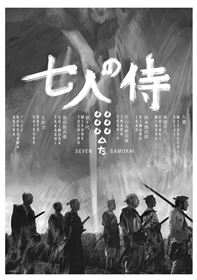
Seven Samurai
Kikuchiyo (as Toshiro Mifune)
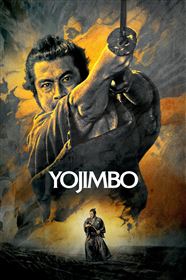
Yojimbo
Sanjuro Kuwabatake / The Samurai
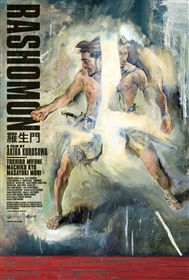
Rashomon
Tajômaru
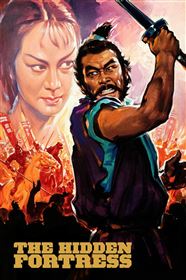
The Hidden Fortress
General Rokurota Makabe
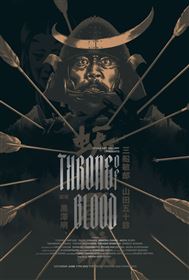
Throne of Blood
Taketoki Washizu
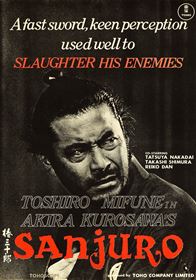
Sanjuro
Sanjûrô Tsubaki / The Samurai
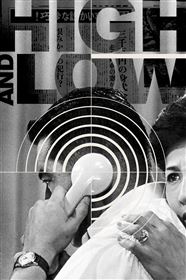
High and Low
Kingo Gondo
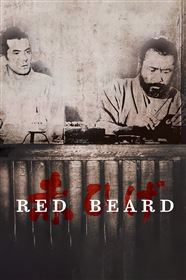
Red Beard
Dr. Kyojô Niide
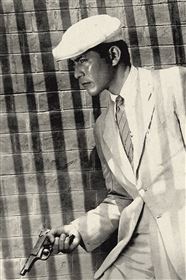
Stray Dog
Det. Murakami
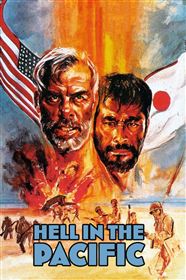
Hell in the Pacific
Captain Tsuruhiko Kuroda

Ragazzaccio
Ichirô Aoye
Les mille et une vies de Yul Brynner
Self (archive footage)
Charles Bronson, Hollywood's Lone Wolf
Self (archive footage) (uncredited)
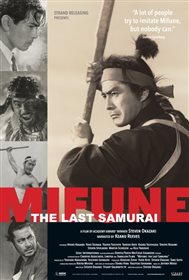
Mifune: The Last Samurai
(archive footage)
深い河
Tsukada
Picture Bride
The Benshi
Shadow of the Wolf
Kroomak
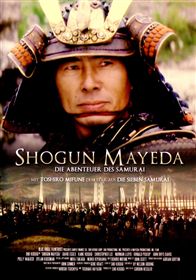
Kabuto
Lord Ieyasu
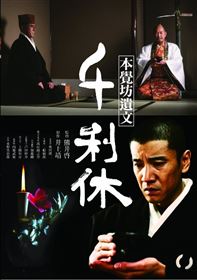
Death of a Tea Master
Rikyu Sen-no

Theater Of Life
Hyōtarō Aonari
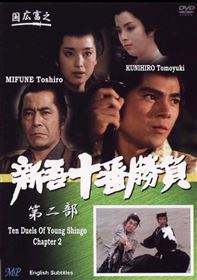
The Ten Battles of Shingo, Part I
Tamon Umei
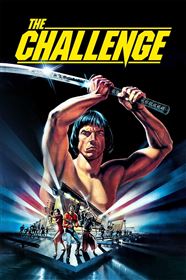
The Challenge
Toru Yoshida
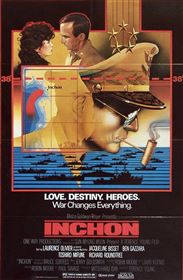
Inchon!
Saito-San (as Toshiro Mifune)
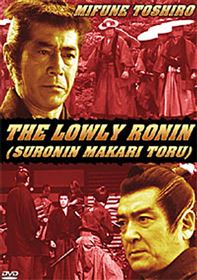
素浪人罷り通る
Sanjuro Hinoki
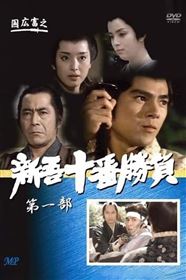
The Ten Battles of Shingo, Part I
Tamon Umei
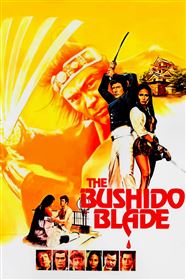
The Bushido Blade
Shogun's Commander
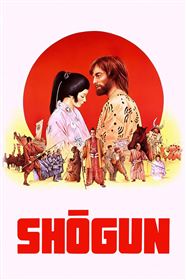
Shogun
Lord Yoshi Toranaga
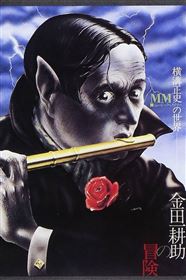
Kindaichi of 11th Generation in "The Woman in the Eye"
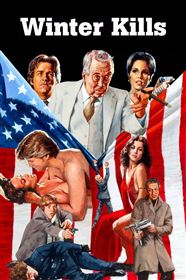
Winter Kills
Keith
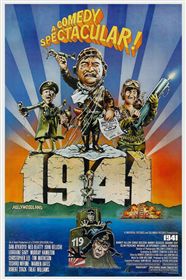
1941
Cmdr. Akiro Mitamura
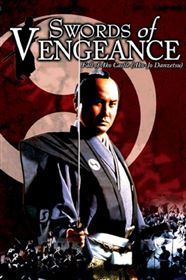
Swords of Vengeance
Tsuchiya
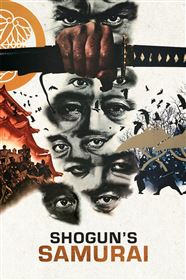
Shogun's Samurai
Lord of Owari
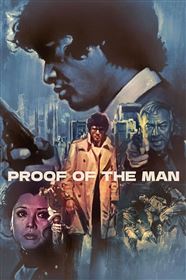
Ningen no shômei
Yohei Kori
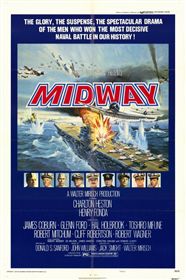
Midway
Admiral Isoroku Yamamoto (as Toshiro Mifune)

Paper Tiger
The Ambassador (as Toshiro Mifune)
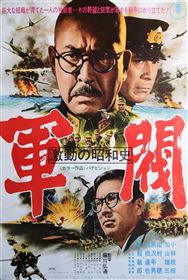
Turning Point Of Showa History: The Militarists
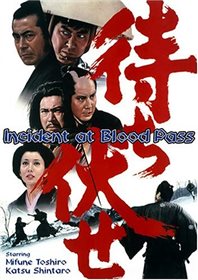
Machibuse
The yojimbo
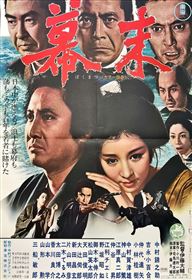
Bakumatsu
Shojiro Goto
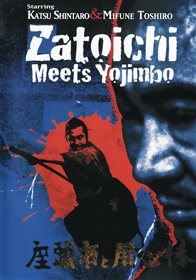
Zatoichi Meets Yojimbo
Sassa the yojimbo
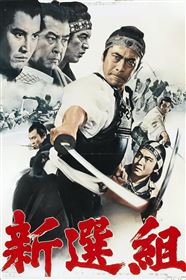
Band of Assassins
Isami Kondo
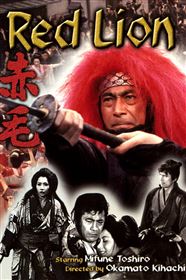
Red Hair
Gonzo
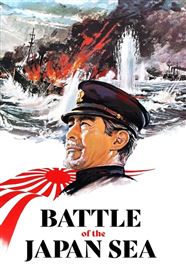
Battle in the Sea of Japan
Admiral Heihachiro Togo
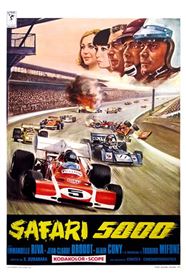
Safari 5000
Yūichirō Takase
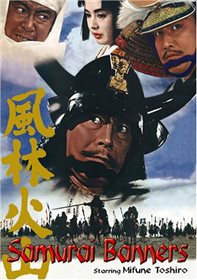
Samurai Banners
Kansuke Yamamoto
Hell in the Pacific
Captain Tsuruhiko Kuroda
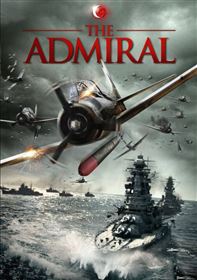
Admiral Of The Grand Fleet: Isoroku Yamamoto
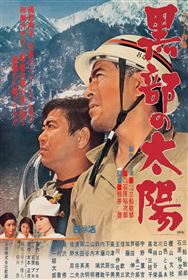
黒部の太陽
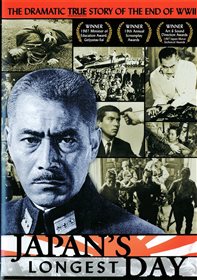
Japan's Longest Day
War Minister Korechika Anami
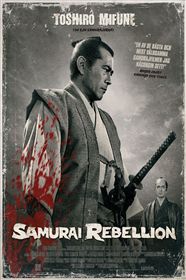
Samurai Rebellion
Isaburo Sasahara
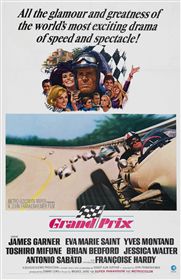
Grand Prix
Izo Yamura
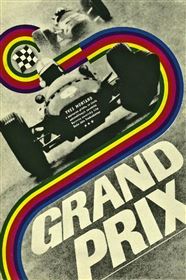
Self
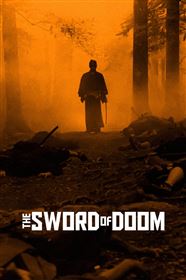
The Sword of Doom
Toranosuke Shimada
Fort Graveyard
Sergeant Kosugi
Red Beard
Dr. Kyojô Niide
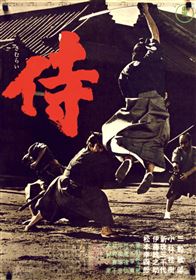
Samurai Assassin
Tsuruchiyo Niiro
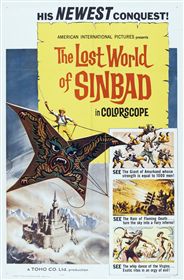
Dai tozoku
Sukezaemon Naya, alias 'Luzon' (Sinbad in English version)
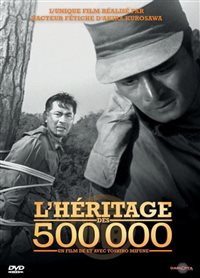
L'Héritage des 500000
Takeichi Matsuo
High and Low
Kingo Gondo
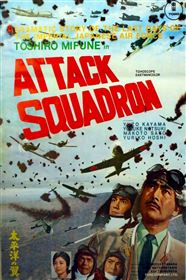
Kamikaze
Lt. Colonel Senda
Sanjuro
Sanjûrô Tsubaki / The Samurai
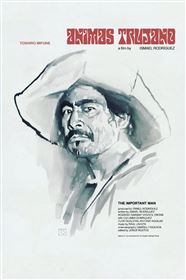
The Important Man
Yojimbo
Sanjuro Kuwabatake / The Samurai
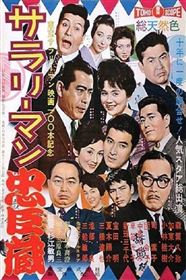
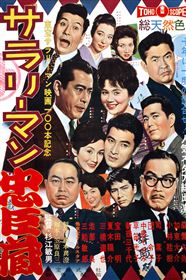
Salary Man Chushingura
Kazuo Momoi
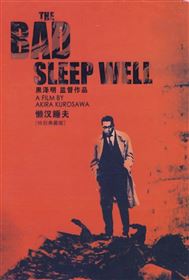
The Bad Sleep Well
Koichi Nishi
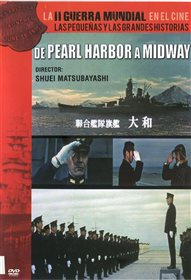
I Bombed Pearl Harbor
Admiral Isoroku Yamaguchi
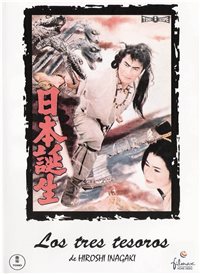
The Three Treasures
Prince Yamato Takeru
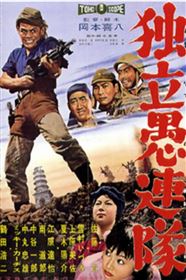
Desperado Outpost
Battalion Commander Kodama
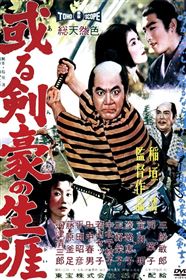
Life of an Expert Swordsman
Heihachiro Komaki
The Hidden Fortress
General Rokurota Makabe
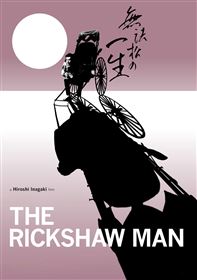
The Rickshaw Man
Matsugoro
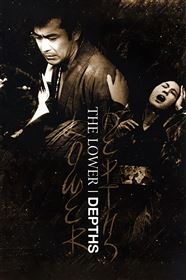
The Lower Depths
Sutekichi the Thief
Throne of Blood
Taketoki Washizu
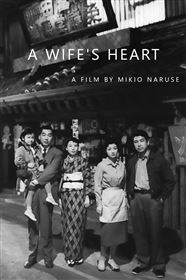
妻の心
Kenkichi
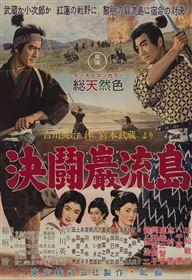
Samurai III: Duel at Ganryu Island
Musashi Miyamoto (Takezo)
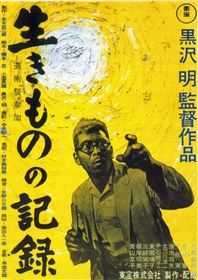
I Live in Fear: Record of a Living Being
Kiichi Nakajima
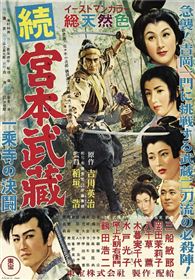
Samurai II: Duel at Ichijoji Temple
Musashi Miyamoto (Takezo)
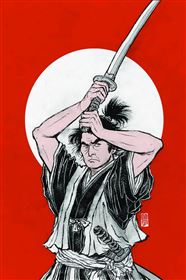
Samurai I: Musashi Miyamoto
Musashi Miyamoto (Takezo)
Seven Samurai
Kikuchiyo (as Toshiro Mifune)
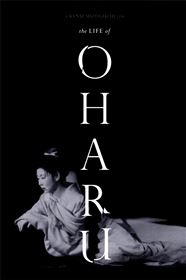
The Life of Oharu
Katsunosuke
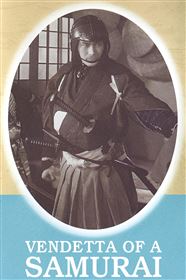
荒木又右衛門 決闘鍵屋の辻
Mataemon Araki
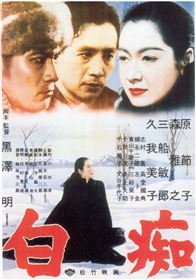
The Idiot
Denkichi Akama
Rashomon
Tajômaru
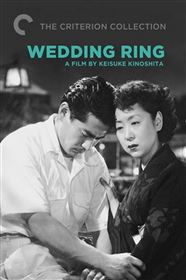
An Engagement Ring
Takeshi Ema
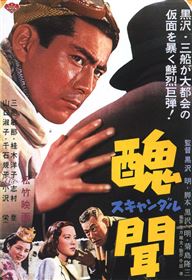
Scandal
Ichirô Aoye
Stray Dog
Det. Murakami
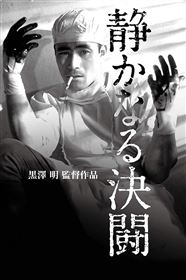
The Quiet Duel
Dr. Kyoji Fujisaki
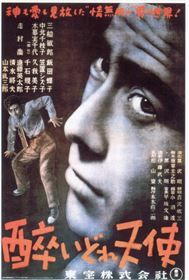
Drunken Angel
Matsunaga
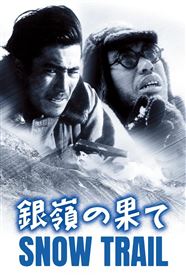
銀嶺の果て
Eijima


