Ida Lupino
Biography
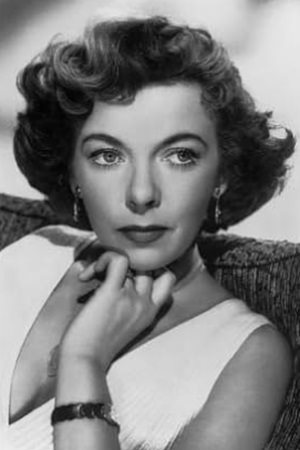
Ida Lupino (February 4, 1918 – August 3, 1995) was an English film actress, director, and a pioneer in the field of women filmmakers. She was born in Camberwell, London, England, (allegedly under a table during a World War I zeppelin raid), the daughter of actress Connie O'Shea (aka: Connie Emerald) and music hall entertainer, Stanley Lupino, one of the Lupino family. Encouraged to enter show business by both her parents and an uncle, Lupino Lane, Ida Lupino made her first film appearance in 1931, in The Love Race and worked for several years playing minor roles. It was after her appearance in The Light That Failed in 1939 that she was taken seriously as a dramatic actress. Her parts improved during the 1940s and she began to describe herself as "the poor man's Bette Davis". While working for Warner Brothers, she would also refuse parts that Davis had rejected, and earned herself suspensions. During this period she became known for her hard boiled roles and appeared in such films as They Drive by Night (1940) and High Sierra (1941). She acted regularly and was in demand throughout the '40s without becoming a major star. In 1947, Lupino left Warner Brothers to become a freelance actress. Notable films around that time include Road House and On Dangerous Ground. It was during a suspension in the late 1940s that she began studying the processes behind the camera. Her first directing job came when Elmer Clifton became ill during Not Wanted, a 1949 movie which she co-wrote. Lupino often joked that if she had been the "poor man's Bette Davis" as an actress, then she had become the "poor man's Don Siegel" as a director. From the early '50s she began directing films, mostly melodramas and was one of the few women of her era to achieve success in this field. She directed Outrage in 1950, and tackled the extremely controversial subject (at that time) of rape. In addition to acting in many films noir, she also directed The Hitch-Hiker (1953). The film was the first film noir directed by a woman. She continued acting throughout the 1950s, 1960s and 1970s, and her directing efforts during these years were almost exclusively television productions such as Alfred Hitchcock Presents, The Twilight Zone, The Donna Reed Show, Gilligan's Island, 77 Sunset Strip, The Ghost and Mrs. Muir, The Rifleman, Bonanza, The Untouchables, The Fugitive, and Bewitched. After guest starring in popular TV shows, she retired after making her final film appearance in 1978. Ida Lupino was born in 1918 (and not 1914 as other biographies have it) as per her birth reference (see below). She married and divorced three times: * Louis Hayward, actor (November 1938 – 11 May 1945) * Collier Young, producer (1948 London–1951) * Howard Duff, actor, (October 1951 – 1984) o one daughter, Bridget Duff (b. April 23, 1952) Lupino was never a public figure, and kept her private affairs separate from her work. Ida Lupino died from a stroke while undergoing treatment for colon cancer in Los Angeles, California. She is interred in the Forest Lawn Memorial Park Cemetery in Glendale, California. The face currently featured on the Columbia Pictures Statue of Liberty logo at the beginning of each of their movies for the past several years looks exactly like Lupino's (or Annette Bening's), although the studio insists that it's a composite of several actresses. A model named Jenny Joseph posed for the body but a different face was substituted.
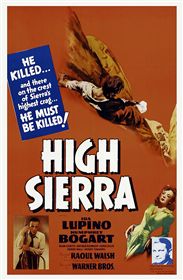
High Sierra
Marie Garson
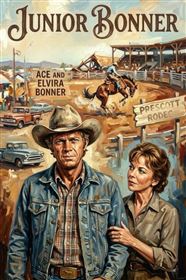
Junior Bonner
Elvira Bonner
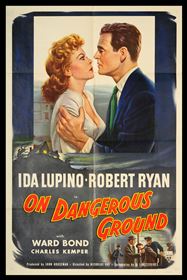
On Dangerous Ground
Mary Malden
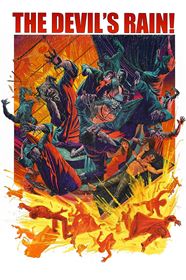
The Devil's Rain
Mrs. Preston
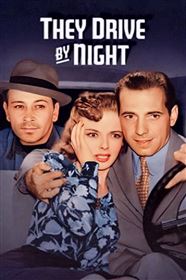
They Drive by Night
Lana Carlsen
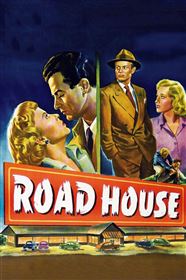
Road House
Lily Stevens
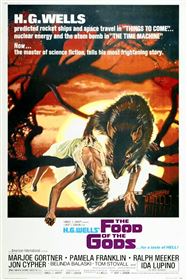
The Food of the Gods
Mrs. Skinner
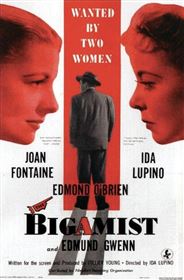
The Bigamist
Phyllis Martin
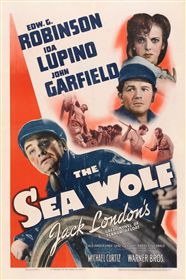
Sea Wolf (1941), The
Ruth Webster
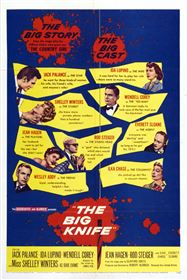
The Big Knife
Marion Castle

Curtains for Roy Earle: The Story of 'High Sierra'
Self / Marie (archive footage) (uncredited)
Divided Highway: The Story of 'They Drive by Night'
Self / Lana Carlsen (archive footage) (uncredited)
The Food of the Gods
Mrs. Skinner
The Devil's Rain
Mrs. Preston
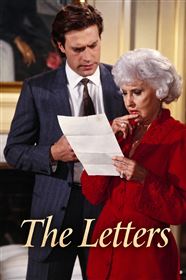
Mrs. Forrester
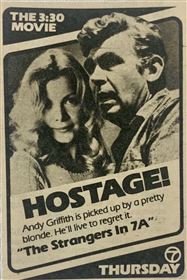
The Strangers in 7A
Iris Sawyer
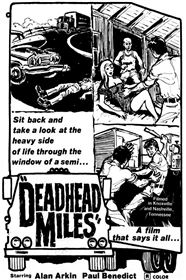
Deadhead Miles
Gas Station Customer
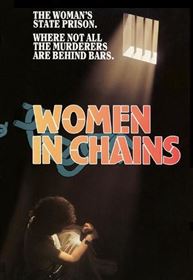
Women in Chains
Claire Tyson
Junior Bonner
Elvira Bonner
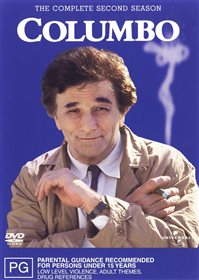
Columbo Season 2 Disc 1 - Etude in Black & The Greenhouse Jungle
Doris Buckner
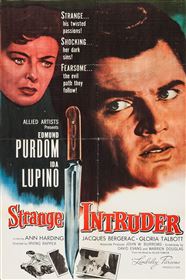
Strange Intruder
Alice Carmichael
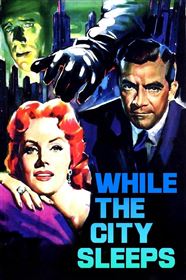
While the City Sleeps
Mildred Donner
The Big Knife
Marion Castle
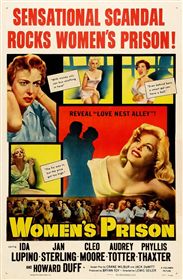
Women's Prison
Amelia van Zandt
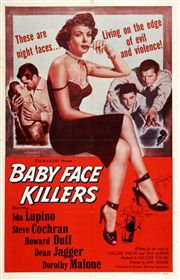
Private Hell 36
Lilli Marlowe
The Bigamist
Phyllis Martin
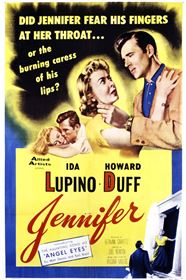
Jennifer
Agnes Langley
On Dangerous Ground
Mary Malden
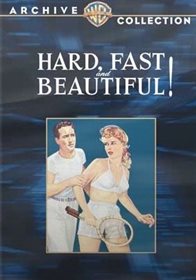
Hard, Fast and Beautiful!
Seabright Tennis Match Spectator (uncredited)
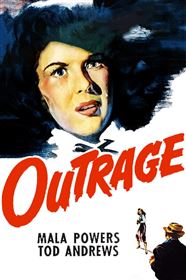
Outrage
Country Dance Attendee (uncredited)
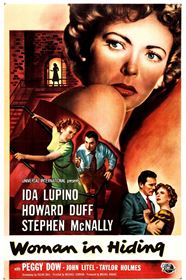
Woman in Hiding
Deborah Chandler Clark
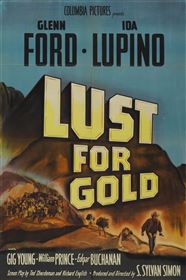
Lust for Gold
Julia Thomas
Road House
Lily Stevens
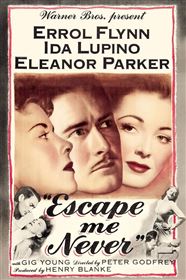
Gemma Smith
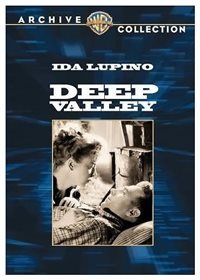
Deep Valley
Libby Saul
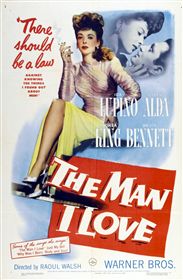
The man I Love
Petey Brown
Okay for Sound
Petey Brown (archive footage) (uncredited)
Predilección
Emily Brontë
Pillow to Post
Jean Howard
Breakdowns of 1944
Self (uncredited)
Hollywood Canteen
Ida Lupino
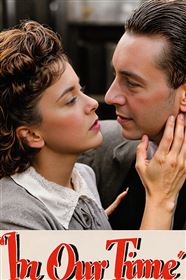
In Our Time
Jennifer Whittredge
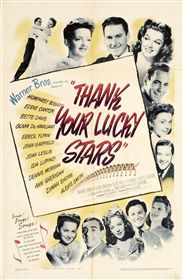
Thank Your Lucky Stars
Herself
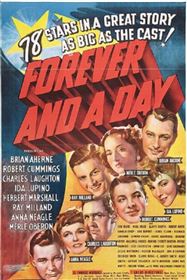
Forever and a Day
Jenny Jones
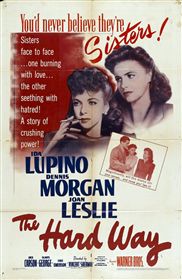
Hard Way, The
Mrs. Helen Chernen
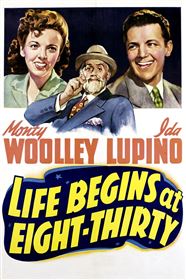
Life Begins at Eight-Thirty
Kathy Thomas
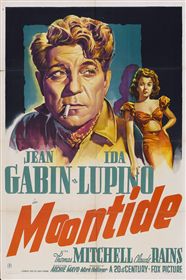
Moontide
Anna
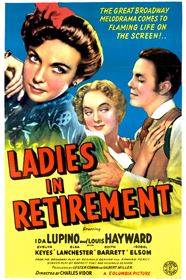
Ladies in Retirement
Ellen Creed
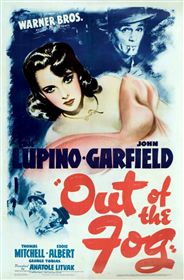
Out Of The Fog
Stella Goodwin
Sea Wolf (1941), The
Ruth Webster
High Sierra
Marie Garson
They Drive by Night
Lana Carlsen
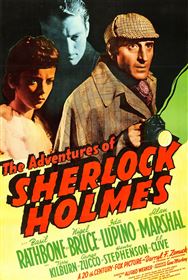
The Adventures of Sherlock Holmes
Ann Brandon
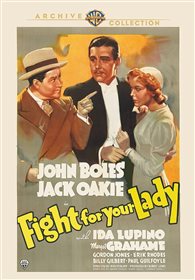
Fight for Your Lady
Marietta
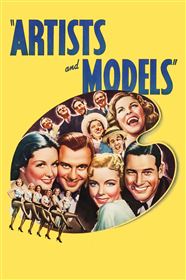
Artists and Models
Paula Sewell
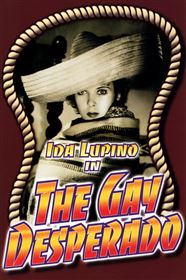
The Gay Desperado
Jane

One Rainy Afternoon
Monique Pelerin
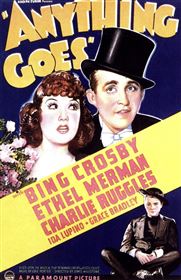
Anything Goes
Hope Harcourt
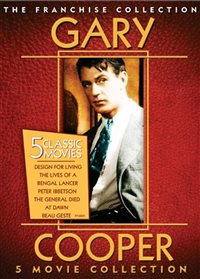
Peter Ibbetson
Agnes
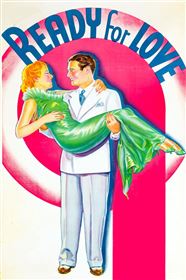
Marigold Tate
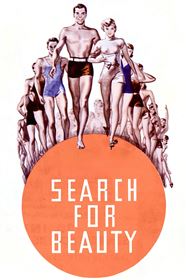
Search for Beauty
Barbara Hilton
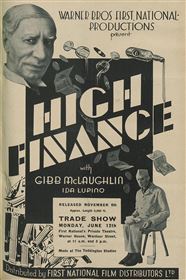
Jill
I Lived with You
Ada Wallis
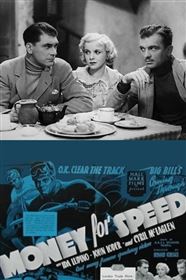
Jane
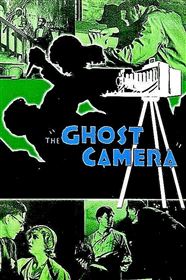
The Ghost Camera
May Elton
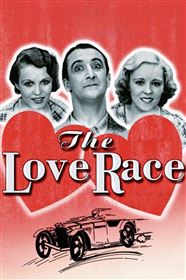
The Love Race
Minor Supporting Role (uncredited)


