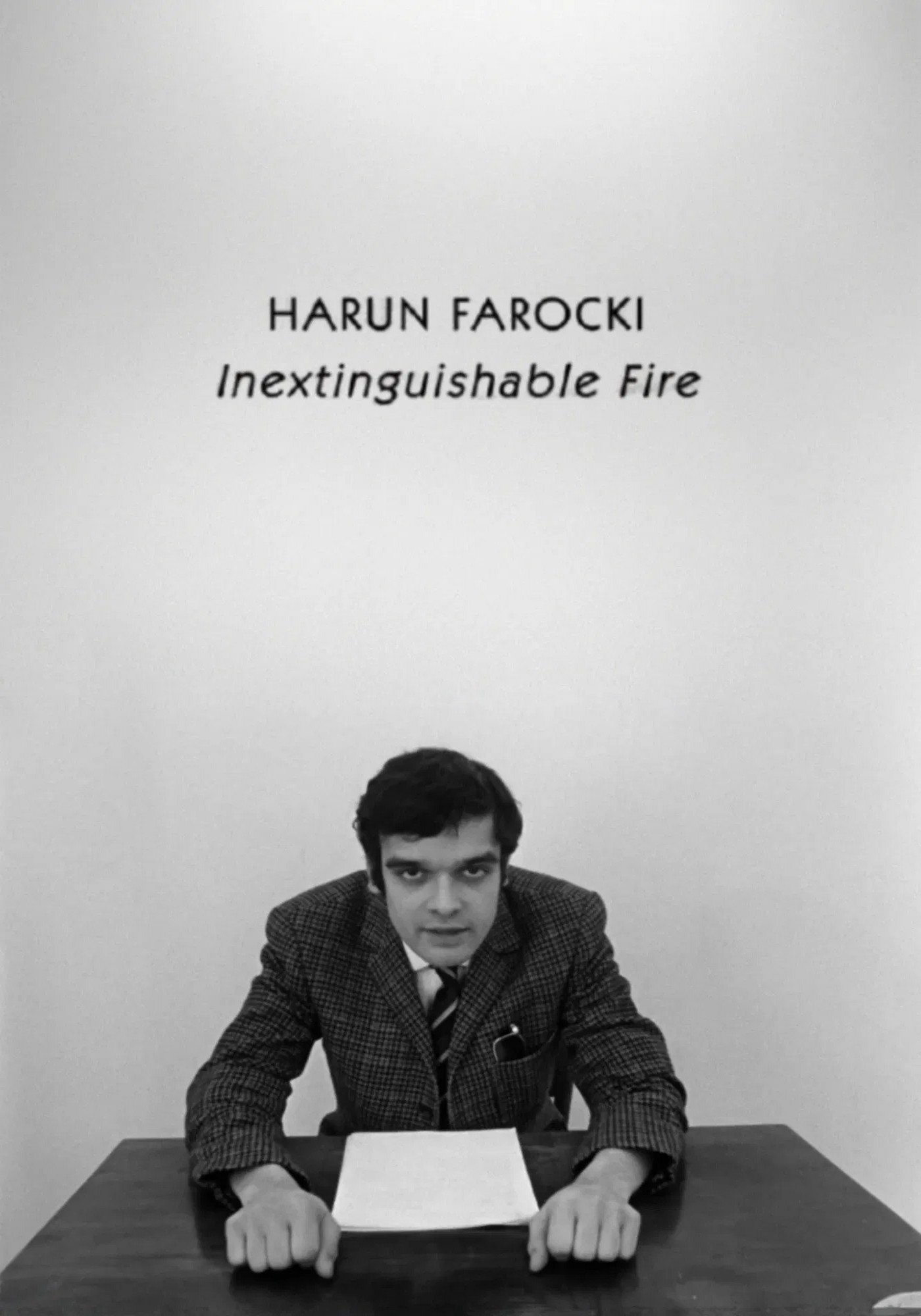
The Inextinguishable Fire (1969)
7/26/1969


Description
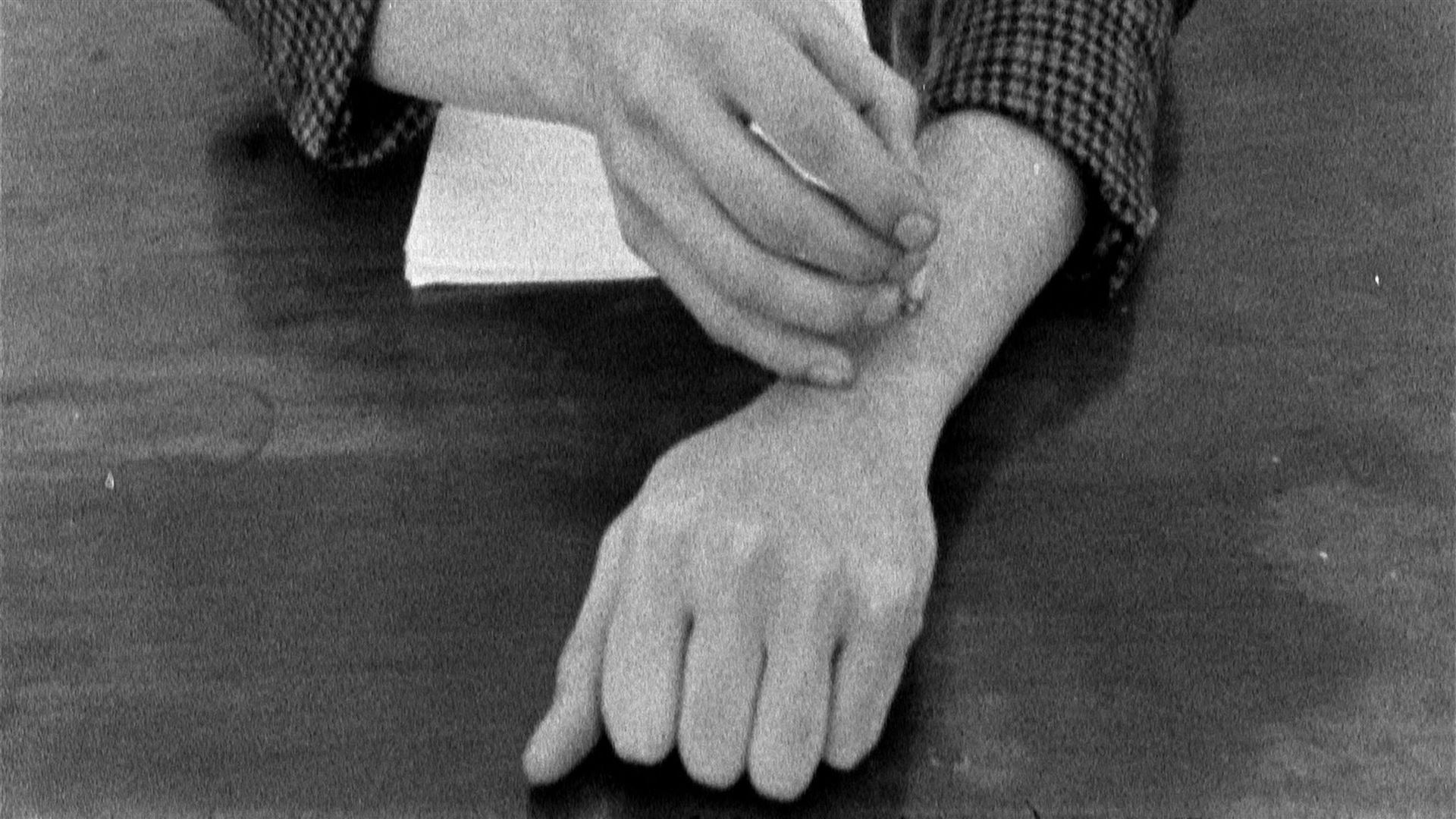
The Inextinguishable Fire (1969) is a stark, confrontational short film that examines the distance between political violence and everyday life. Rather than depicting war directly, the film exposes how modern warfare—specifically the use of napalm during the Vietnam War—is made possible through bureaucracy, industry, and emotional detachment. Through plainspoken narration, staged demonstrations, and deliberate breaks in cinematic illusion, the film challenges viewers to consider how information about suffering is filtered, sanitized, and ultimately normalized. The director places himself within the film, refusing neutrality and forcing the audience to confront their own role as passive observers of distant atrocities. Minimalist and deliberately uncomfortable, the film rejects spectacle in favor of critical awareness, arguing that the true horror of modern conflict lies not only in physical destruction but in the systems and attitudes that allow it to continue unchecked.



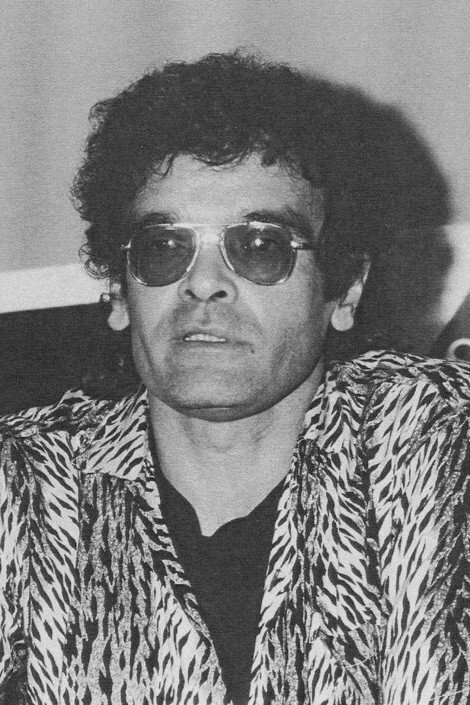
Harun Farocki
Director
The Rolling Stones: Sympathy for the Devil
Pravda
Tout Va Bien
Salt of the Earth

The Battle Of Algiers
Z
State of Siege

Standard Operating Procedure

The Act of Killing

Shoah

Hearts and Minds
Winter Soldier

Fahrenheit 9/11
Roger & Me

Report

The Gleaners & I
Sans Soleil
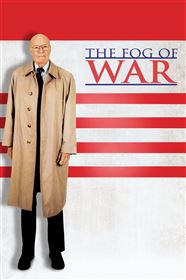
The Fog of War

Sicko
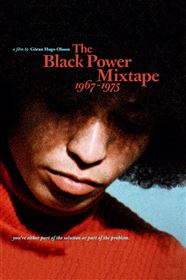
The Black Power Mixtape 1967-1975


