
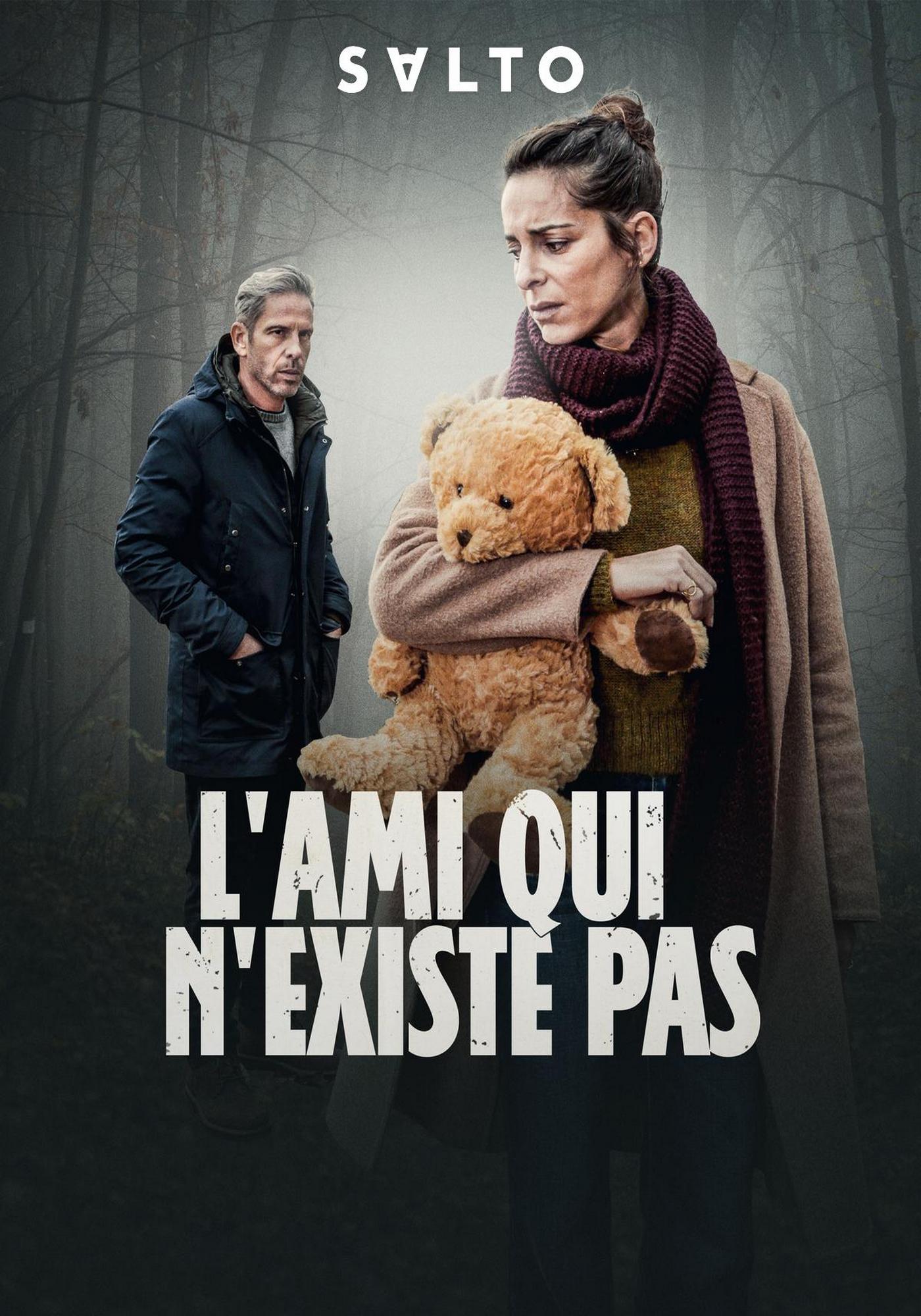
L'ami qui n'existe pas
10/25/2021


Description
Set in a quiet suburban neighborhood, L'ami qui n'existe pas (“The Friend Who Doesn’t Exist”) follows Émile, a shy and introverted ten-year-old boy who struggles to fit in at school and often feels invisible at home. His parents are loving but busy, and Émile spends long afternoons alone, retreating into his imagination. To cope with his loneliness, Émile invents an imaginary friend named Hugo—a confident, adventurous boy who encourages him to speak up, stand his ground, and explore the world beyond his bedroom window. At first, Hugo seems like a harmless childhood fantasy, but soon Émile begins relying on him more than on real people. Through Hugo’s “advice,” Émile starts acting differently at school—he becomes bolder, confronts bullies, and even makes a few friends. His teachers and parents are pleased with his new confidence, unaware of the invisible companion guiding his behavior. However, Hugo’s suggestions slowly take a darker turn. He urges Émile to lie, break rules, and push boundaries, claiming it will make him stronger. Émile becomes confused and anxious, torn between the comfort Hugo provides and the trouble his actions create. A concerned school counselor begins to notice Émile’s unusual behavior and gently encourages him to talk about his “friend.” As Émile opens up, he starts to realize that Hugo reflects his own fears, anger, and unspoken desires. The film builds toward a quiet emotional climax where Émile must decide whether to keep relying on his imaginary friend or face the real world on his own. L'ami qui n'existe pas ultimately becomes a tender yet unsettling exploration of childhood loneliness, emotional growth, and the thin line between imagination and reality.

Audrey Dana
Camille
Tiphaine Daviot
Ève
Medi Sadoun
Delsart
Albert Geffrier
Martin
Victor Meutelet
Jeff
Guilaine Londez
Dr. CastéranMaria Collis
SamJehanne Pasquet
Alice
Frédéric Kneip
Le Propriétaire
Chantal Ravalec
La vieille dameMathieu Maricau
ThomasPhilippe Suner
Directeur CollègeRomain Valette
Surveillant CollègeRomain Losi
Professeur EPSBetty Desmier
Docteur hôpitalCaroline Gay
Assistante sociale
Michaël Assié
Vendeur
Nicolas Cuche
Director
Olivier Norek
WriterNicolas Cuche
Writer
Harvey
Drop Dead Fred
IF

Christopher Robin

Paper Man

My Neighbor Totoro

The BFG
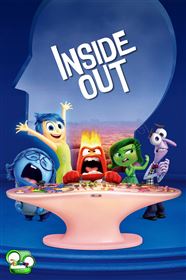
Inside Out

Toy Story
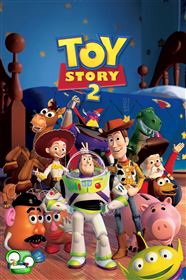
Toy Story 2

Toy Story 3

Toy Story 4

Ted

Paddington

Paddington 2

Who Framed Roger Rabbit

Pete's Dragon

The Iron Giant

Big Hero 6
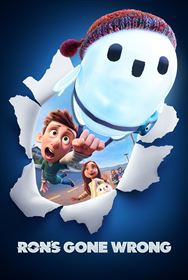
Ron's Gone Wrong


