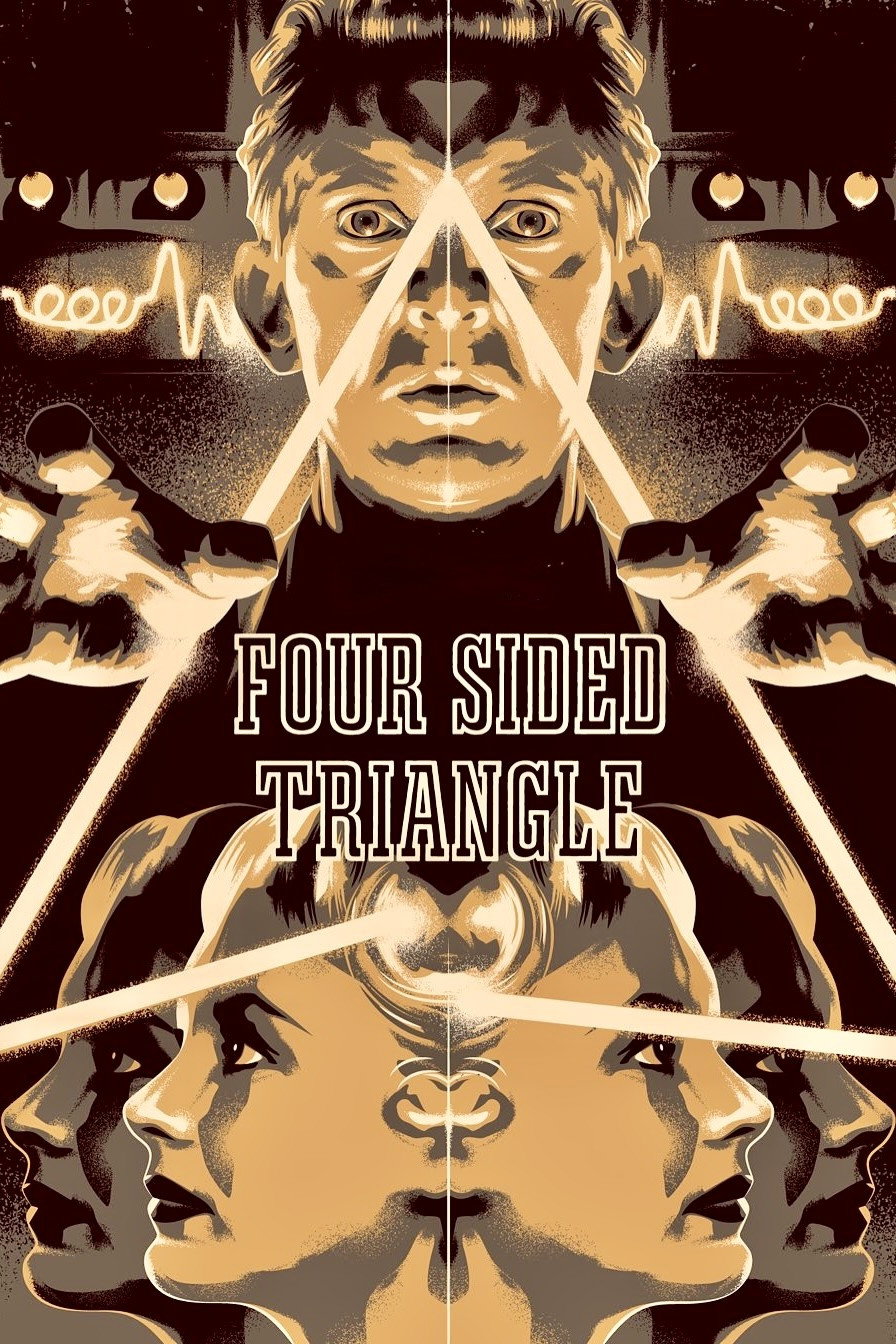
Four Sided Triangle (1953)
Romance/Science-Fiction · 1h 21m · 6/15/1953


Description
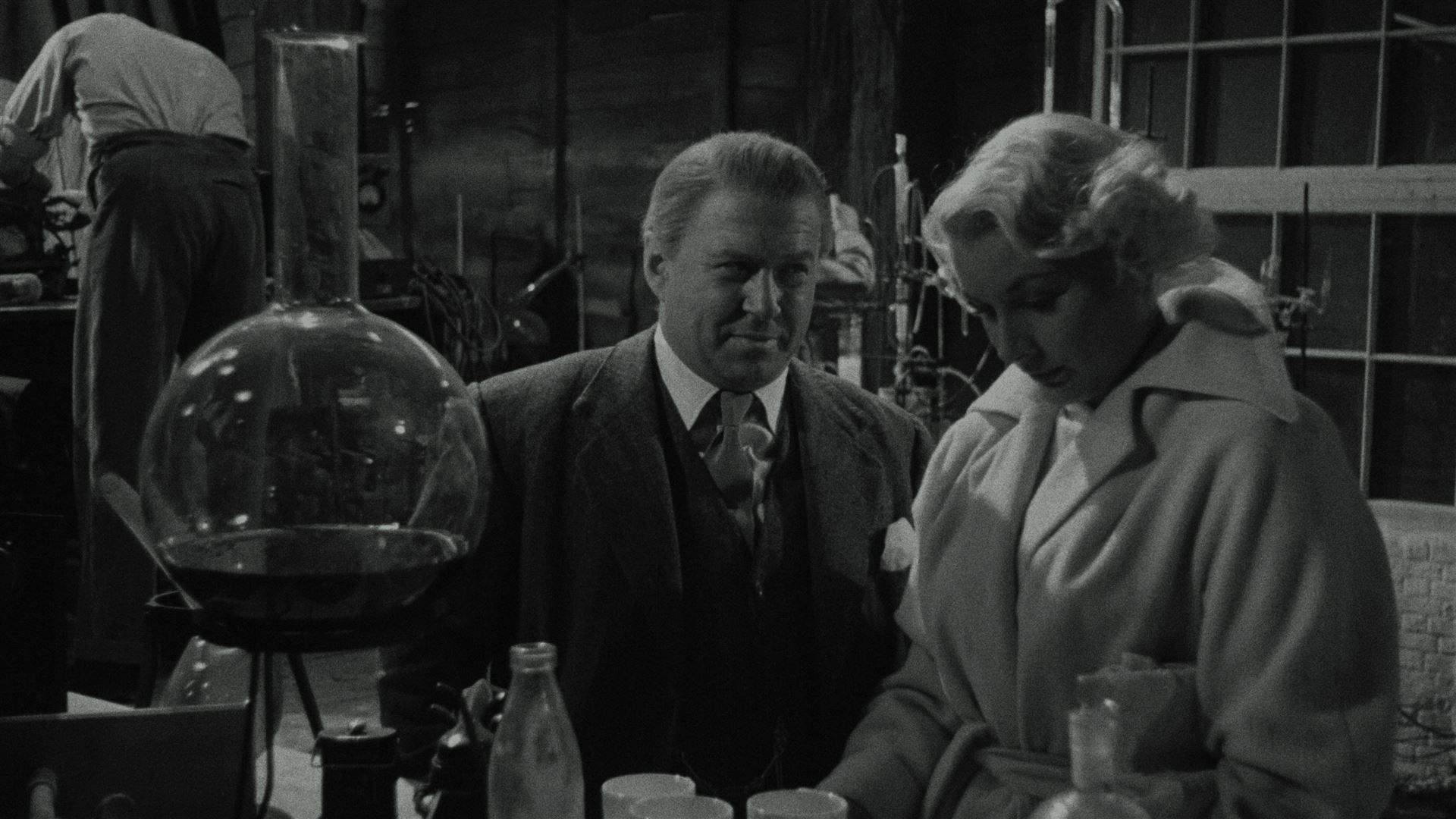
Four Sided Triangle is a 1953 British science-fiction film directed by Terence Fisher and starring Stephen Murray, Barbara Payton and James Hayter. It was made by Hammer Film Productions at Bray Studios. The film dealt with the moral and scientific themes (not to mention "mad lab" scenes) that were soon to put Hammer Films on the map with the same director's The Curse of Frankenstein. Four Sided Triangle has most in common with Fisher's Frankenstein Created Woman (1967). Graduate students Robin Grant (John Van Eyssen) and Bill Leggat (Stephen Murray) have both loved the beautiful Lena (Barbara Payton) since childhood. After years of perseverance by both men, Lena finally chooses Robin, and the two become engaged. Devastated by the news of Lena's plans, Bill uses his latest science experiment, a cloning device that duplicates matter, to create a "new Lena" for himself. Unfortunately, this device performs too well, producing a clone that also loves Robin. Furious and desperate, Bill decides to use electro-shock memory to burn the memory of love out of the clone's brain. Synopsis The film opens with Dr. Harvey (or "Doc" as he is known to the locals) relating to the audience an odd tale that took place in his peaceful village. Bill and Robin are boyhood friends who compete for the affections of Lena, a beautiful girl about their own age. In adulthood, the two men collaborate on the invention of the Reproducer, a machine that can exactly duplicate physical objects. Lena comes back into the picture, reviving the childhood feelings in the two men. In time, they abandon their work on the Reproducer, Robin going away to learn his family's business. Bill is disappointed to discover that Lena loves Robin and intends to marry him. Seeing the hopelessness of winning Lena for himself, Bill convinces the young woman to allow him to use the Reproducer to create a duplicate of her. The experiment succeeds, and Bill names the woman he has created "Helen." Unfortunately, the experiment has worked too well, and when Helen is introduced to Robin, she falls hopelessly in love with him too. Bill decides his last chance is to use electro-shock to erase Helen's memory. Helen agrees to give it a try, and Bill convinces Lena to help him with the procedure, manipulating some of the electronic equipment. The process seems to work, but the apparatus overheats and explodes, causing a terrific fire. Robin arrives with Dr. Harvey, who has explained the situation to him, and manages to rescue a woman from the fire. Bill and the other woman perish in the flames. There is some tension around the idea of which woman Robin has saved, Lena or Helen, especially when Dr. Harvey discovers that the woman has no memory. However, Dr. Harvey recalls that Bill had had to start Helen's heart with a device that he attached to the back of her neck, leaving two scars. Robin is relieved to find that there are no marks on the neck of the woman he has rescued: It is Lena. Production details This section reads like a review rather than an encyclopedic description of the subject. Please help improve this article to make it neutral in tone and meet Wikipedia's quality standards. (July 2010) This section possibly contains original research. Please improve it by verifying the claims made and adding inline citations. Statements consisting only of original research should be removed. (July 2010) Four-Sided Triangle was an early effort by Hammer Studios. The laboratory set is very impressive; it contains a mix of realistic gadgetry – an oscilloscope, functioning gauges, etc. – with the transparent domes, flashing lights, and electrical paraphernalia that are so dear to movie studio art directors. The picture relies on a minimum of trick photography. There is one brief and poignant shot of Helen (the duplicate woman) wistfully peering through a window at Lena (her template) who is looking at Robin. This camera set-up (a double exposure) is the only moment in the entire film when Lena and Helen are both shown onscreen at the same time. Differences from the novel Four-Sided Triangle features some differences from the original novel by William F. Temple. In the novel, the duplicate (named Dorothy and nicknamed Dot) falls into depression for being married with Bill while she's in love with Robin. She has a breakdown and has to go on vacation with Bill to recover. When they return, Bill starts working on a power generator which explodes, killing him. Lena tries to convince Robin to accept both her and Dot, but he refuses. A couple weeks later, Lena and Dot have an accident while diving on a river. One of them dies and the other is seriously injured. Dr. Harvey and Robin are startled when they discover that the surviving woman can't recall anything after the duplication, and suppose she's repressing all the painful memories, so she must be Dolly. Dr. Harvey finds in Bill's notes about the marks on Dot's neck and tells Robin, convincing him that the survivor is Lena. In an epilogue, he reveals that he also discovered a note in which Bill recalls that, during vacation, Dot had undergone plastic surgery to erase the marks, but destroyed it so Robin and Dot can be happy.




Barbara Payton
Lena / Helen
James Hayter
Dr. Harvey
Stephen Murray
Bill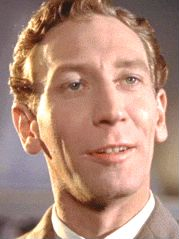
John Van Eyssen
Robin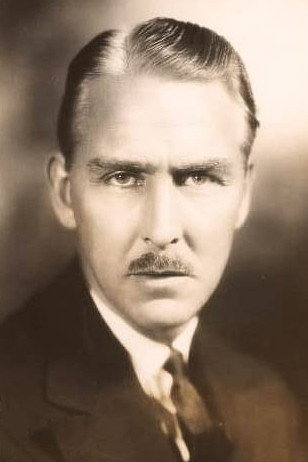
Percy Marmont
Sir Walter
Jennifer Dearman
Lena as a Child
Glyn Dearman
Bill as a Child
Sean Barrett
Robin as a Child
Kynaston Reeves
Lord GrantJohn Stuart
SolicitorEdith Saville
Lady Grant
Terence Fisher
DirectorTerence Fisher
WriterPaul Tabori
Writer
The Invisible Man Returns
Dr. Jekyll and Mr. Hyde
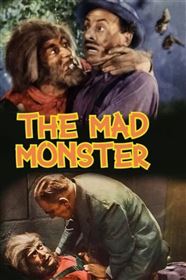
The Mad Monster
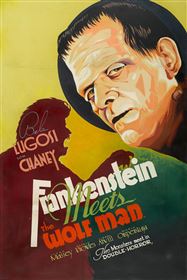
Frankenstein Meets the Wolf Man

The Ape Man
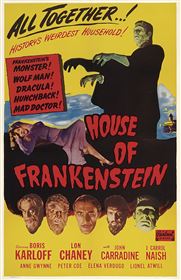
House of Frankenstein
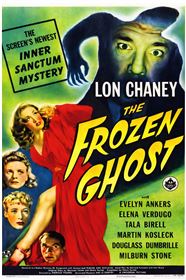
The Frozen Ghost
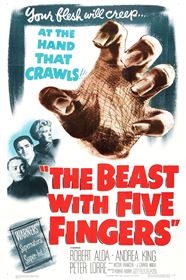
The Beast with Five Fingers

Abbott and Costello Meet Frankenstein
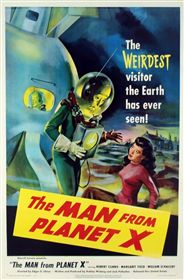
The Man from Planet X
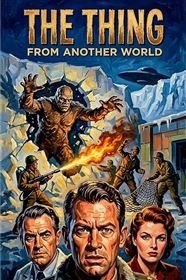
The Thing from Another World
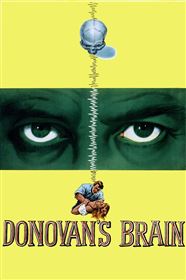
Donovan's Brain
The Magnetic Monster
The Mad Magician
The Quatermass Xperiment
Invasion of the Body Snatchers (1956)
The Fly
The Cosmic Man
The Wasp Woman
The Hands of Orlac
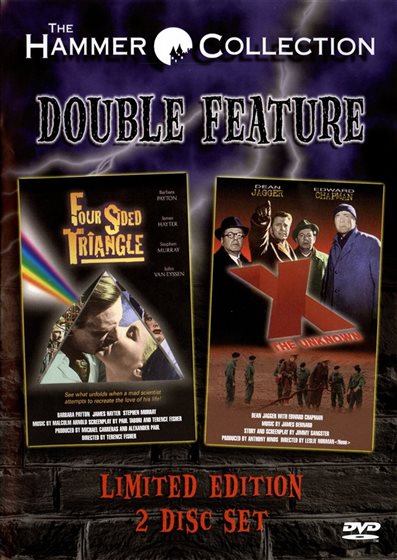
Four Sided Triangle
(DVD)
7/27/2004
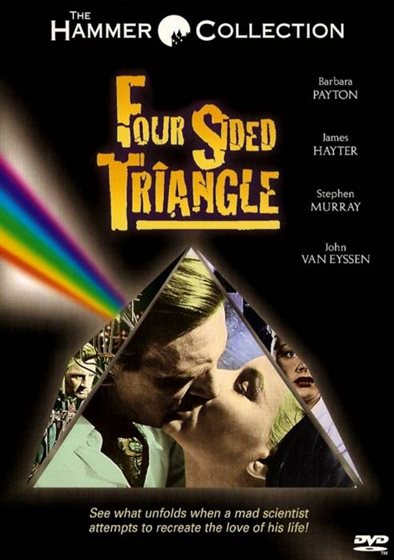
Four Sided Triangle
(DVD)
5/23/2000


