The Last Sacrifice (2024)
1h 34m · 9/29/2024


Description
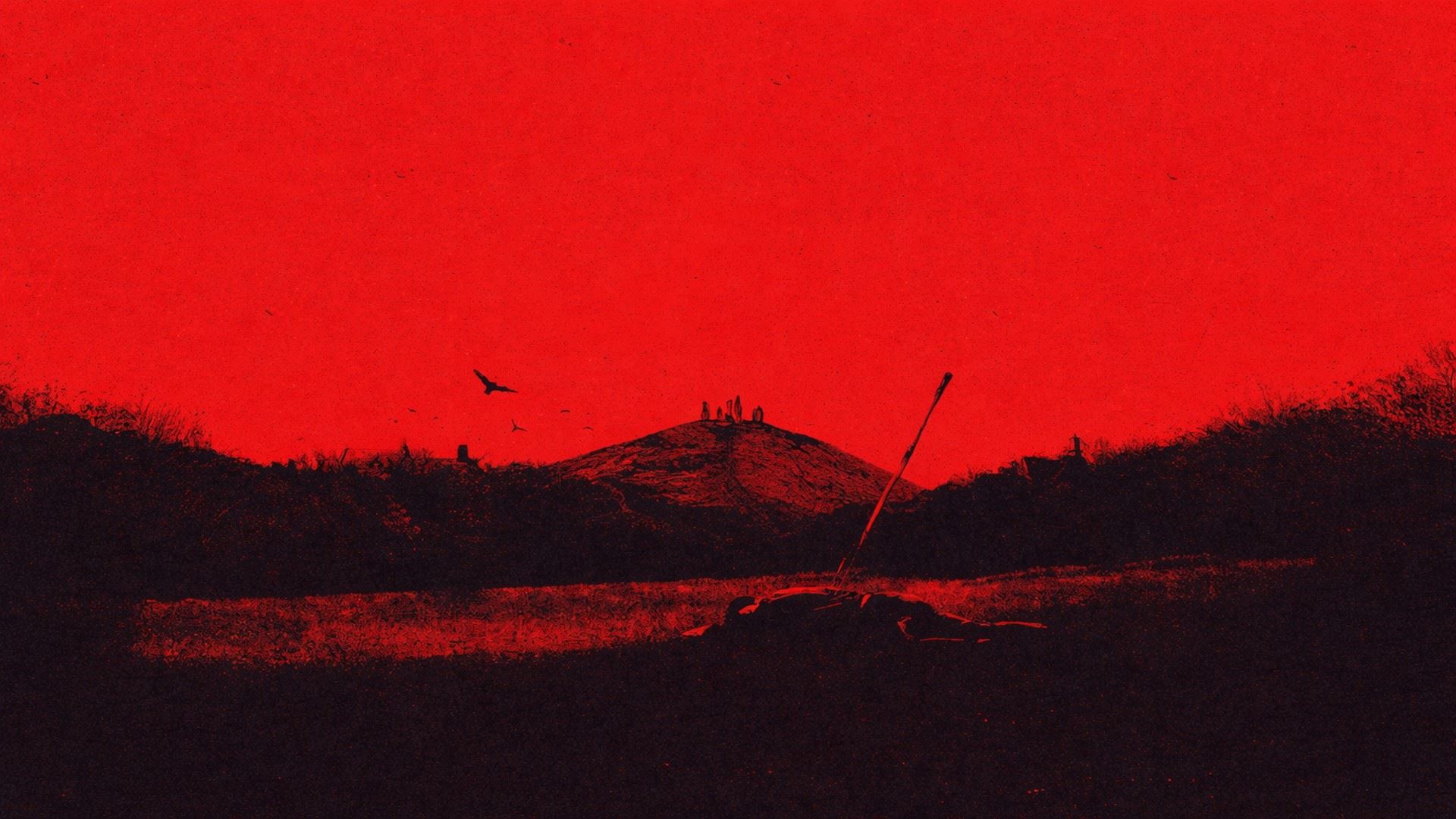
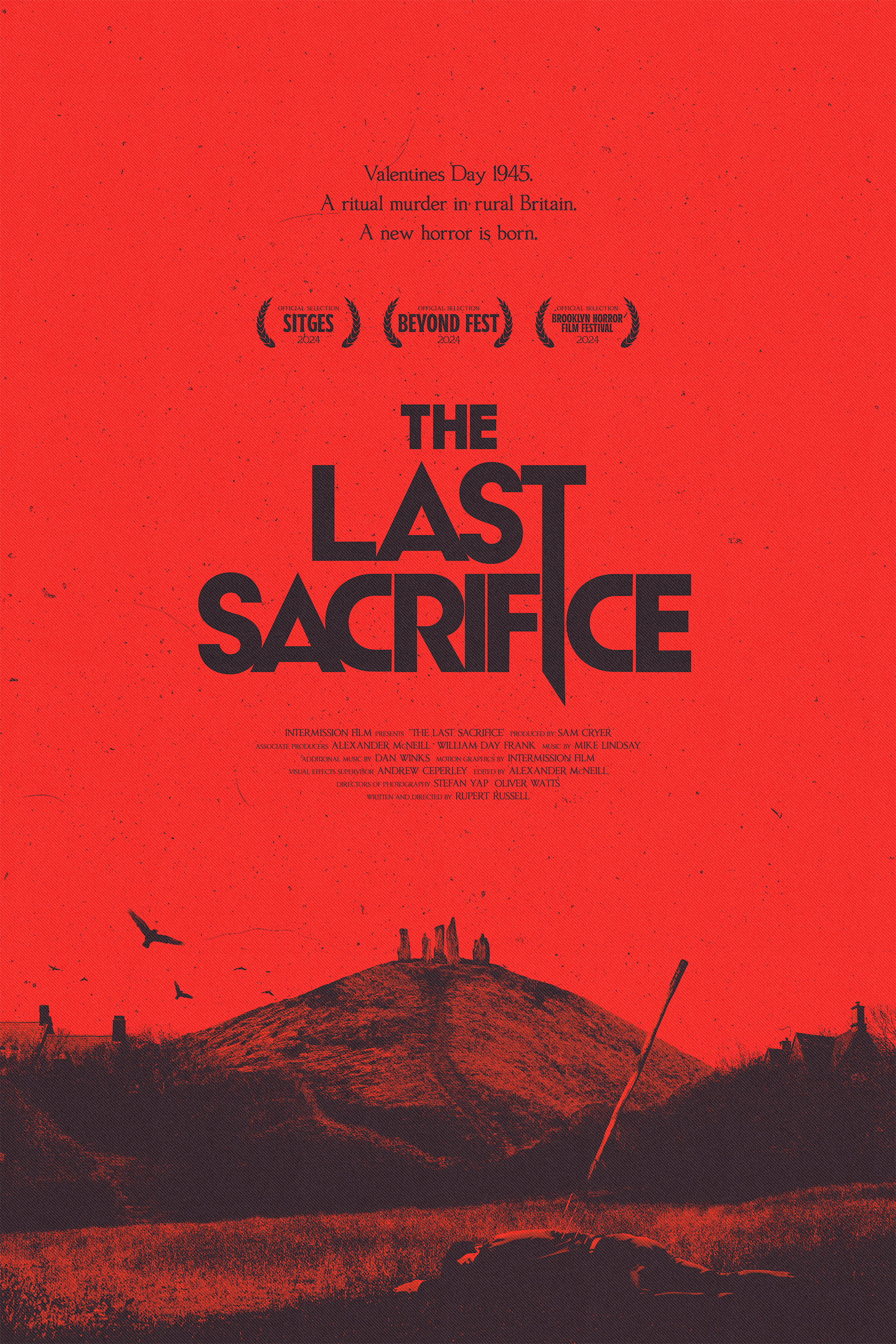
The Last Sacrifice is a feature-length documentary directed by Rupert Russell that begins with a shocking real-life crime and expands into a broader cultural exploration. At its core, the film revisits the 1945 murder of Charles Walton, an elderly farmworker found in a rural English village in a manner that ignited rumors of witchcraft and occult ritual. Though the killing was never solved, the gruesome nature of the crime and the whispered fears it stirred in the local community laid the foundation for what would become the British “folk horror” genre — a strain of cinema defined by its blend of rural tradition, superstition, and unease. Rather than simply recounting the crime, the documentary uses it as a springboard to investigate how that single act of violence echoed through decades of British cultural life. Through interviews with historians, occult experts, and filmmakers — woven together with archival footage, atmospheric visuals, and clips from folk horror classics — the film traces how fear of the unknown, anxieties about modernity, and the allure of ancient beliefs seeped into the national imagination. In doing so, it connects Walton’s murder with influential works like The Wicker Man and examines how stories of paganism, witchcraft, and ritual have shaped both cinematic art and public perception. Overall, The Last Sacrifice functions as both a true-crime investigation and a cultural essay, asking not just “what happened?” but “why did this moment resonate so deeply?” — and how that resonance continues to inform our fascination with fear, folklore, and mythmaking.








Geraldine Beskin
SelfGavin Bone
SelfJanet Farrar
Self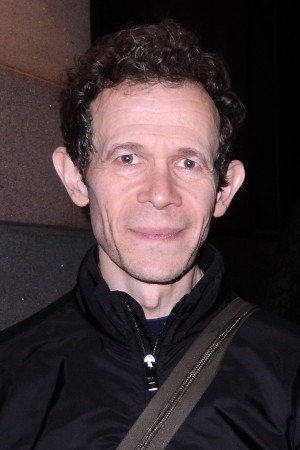
Adam Godley
Self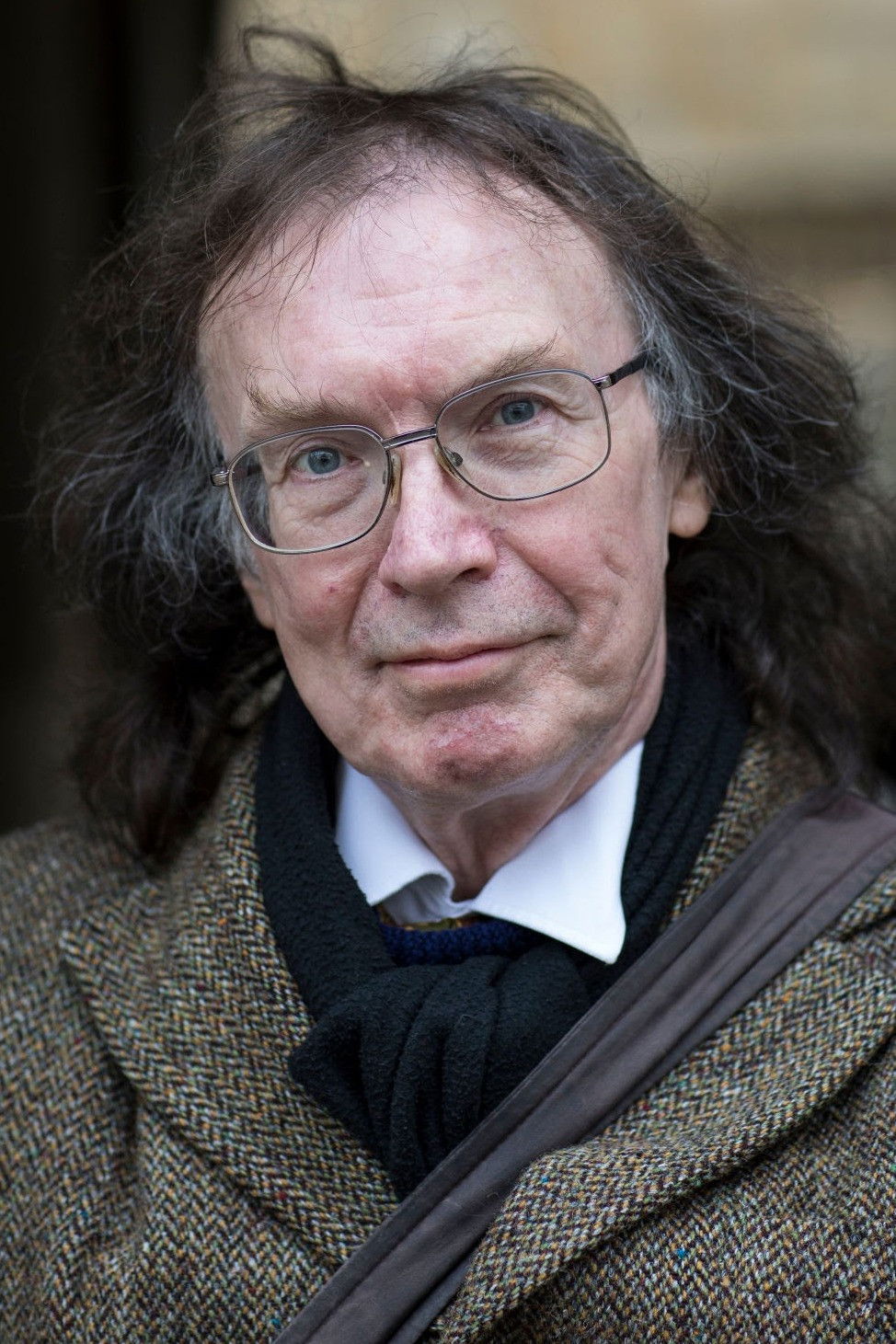
Ronald Hutton
SelfLeila Latif
Self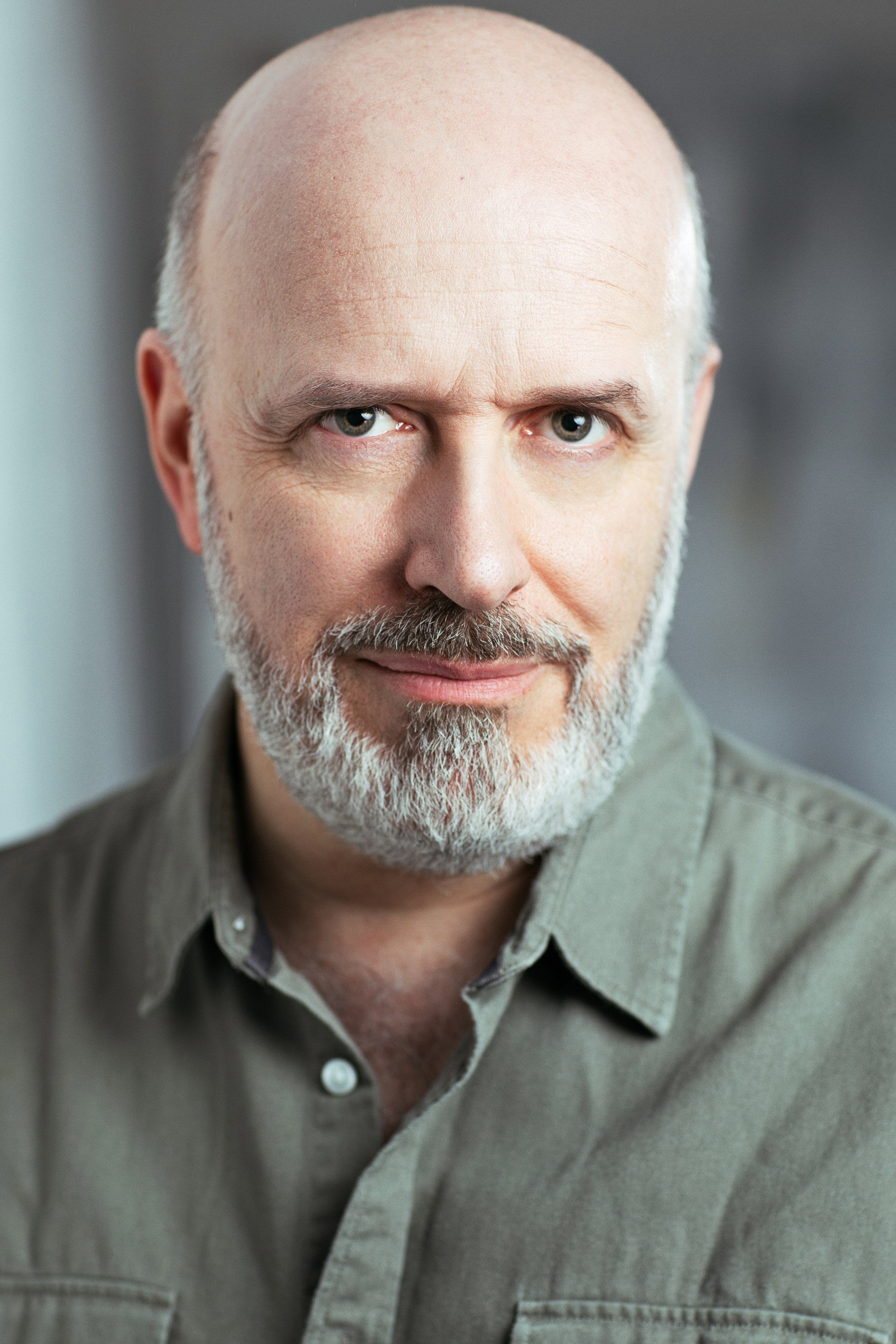
Jonathan Rigby
SelfDiane Rodgers
SelfTim Stanley
Self
Dave Thompson
SelfRupert Russell
DirectorRupert Russell
Writer
The Ritual

Apostle
Midsommar

The Wicker Man
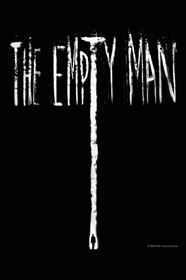
The Empty Man

The Endless

Resolucion
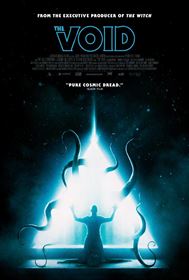
The Void
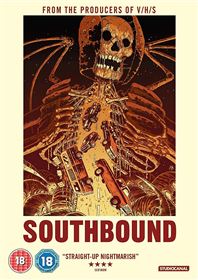
Southbound
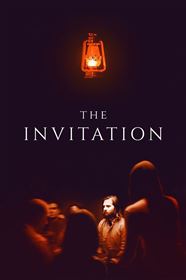
The Invitation
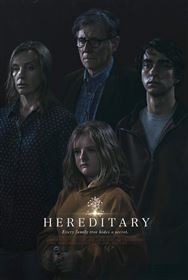
Hereditary
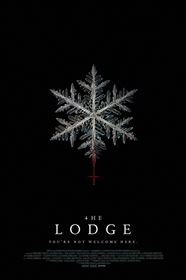
The Lodge
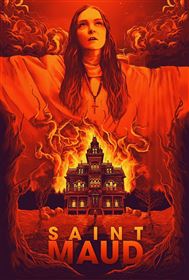
Saint Maud
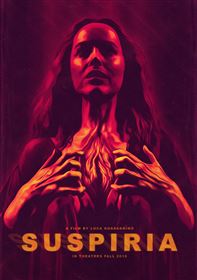
Suspiria
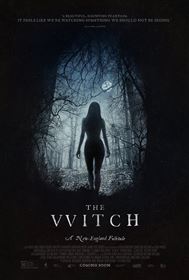
The Witch
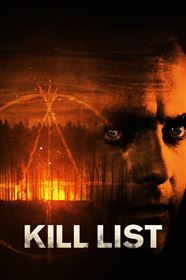
Kill List
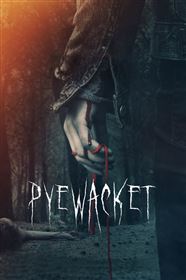
Pyewacket
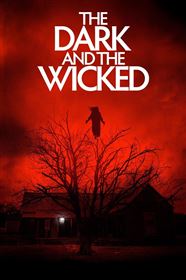
The Dark and the Wicked
The Night House
Barbarian


