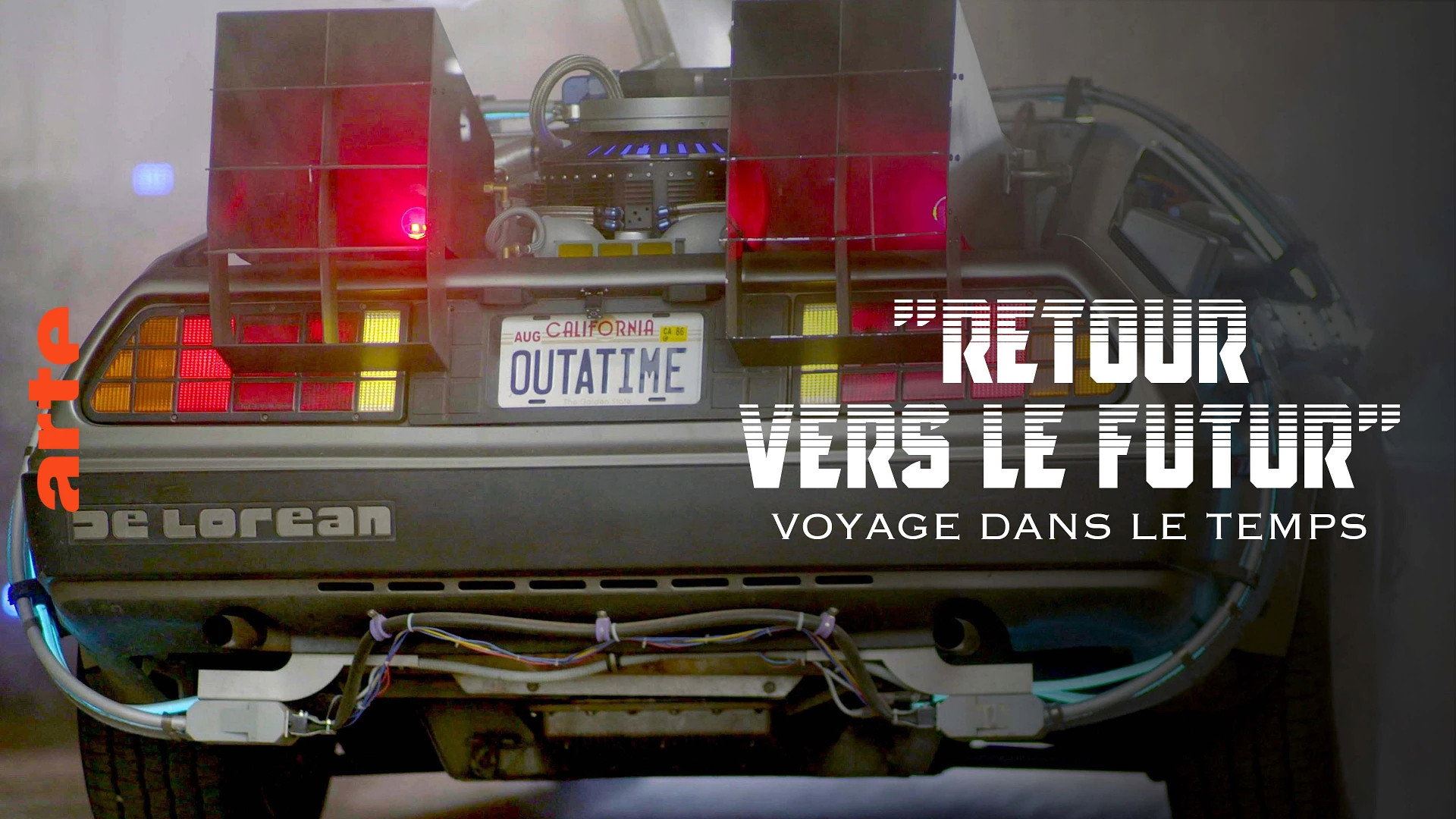
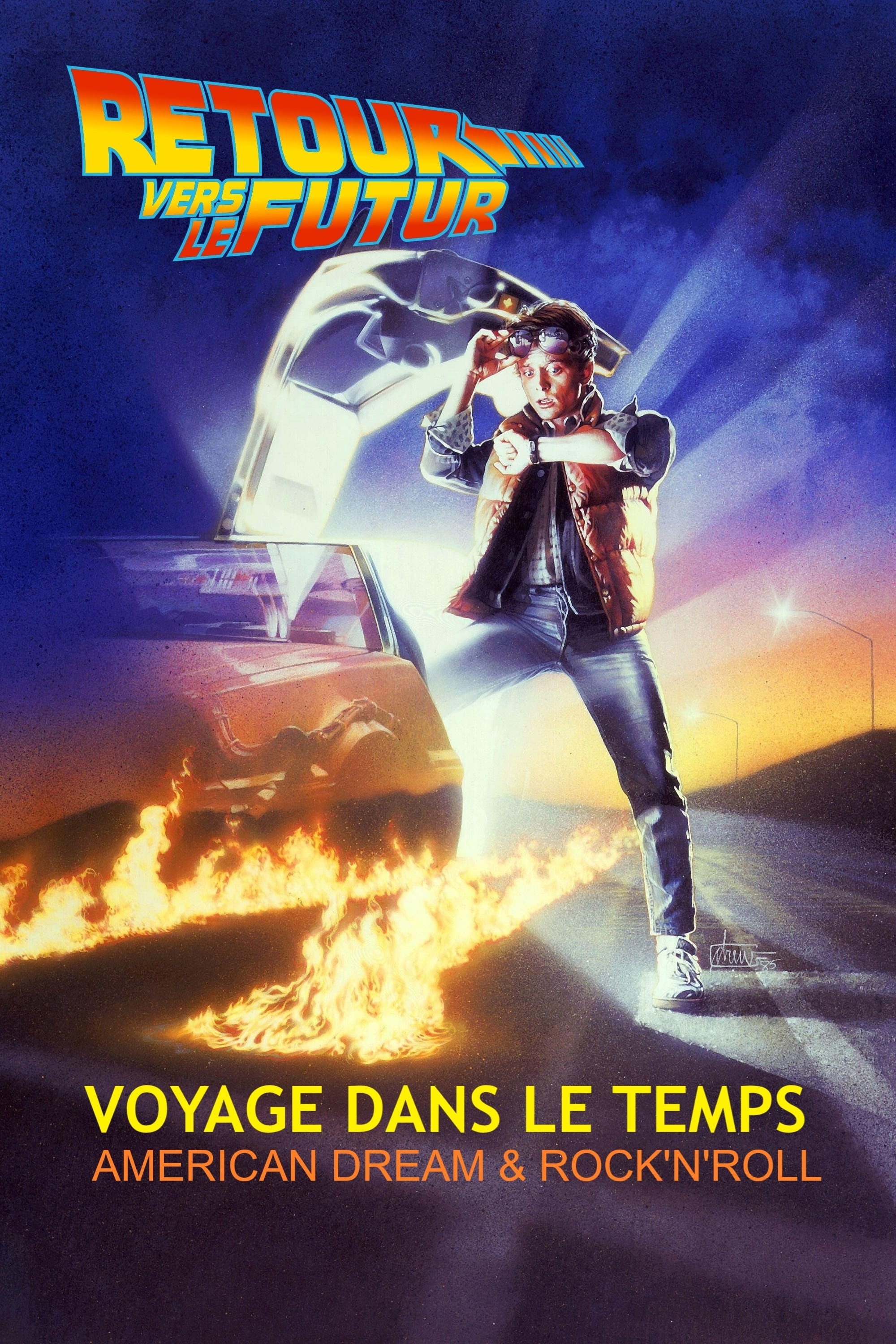
Retour vers le Futur: Voyage dans le temps, American Dream & Rock'n'Rroll (2023)
Documentary · 9/1/2022


Description
It is one of the most rejected screenplays in Hollywood: more than forty times! No producer believed in this project by Robert Zemeckis and Bob Gale, an inventive duo nicknamed "the two Bobs". Not holding a grudge, Steven Spielberg, who nevertheless owes them three flops, imposed the film on Universal Studios, Gale signing the script and Zemeckis ensuring the direction. The director of Jaws will not regret it. In 1985, Back to the Future pulverized the box office and became a global success, reinforced by two sequels in 1989 and 1990. Decade after decade, the popularity of this trilogy has not weakened. Why this longevity when so many blockbusters sink into oblivion? It is true that Back to the Future has given the dusty genre of time travel a facelift, thanks to a panoply that is now revered for its eighties kitsch: Walkman, skateboard or modified sports car (the famous DeLorean that slaloms from the past to the future). Mixing comedy and science fiction, the first part deals with universal themes like the American dream or family relationships, and is set in an ordinary suburb, which makes it very accessible. Replacing at short notice the unfortunate Eric Stoltz, not funny enough according to the producers, Michael J. Fox lends his clownish face to the teenager Marty McFly, propelled by chance in 1955. By changing the past, this endearing antihero will try to improve the present, starting with his disastrous parents. This double-sided trilogy casually highlights racism, sexism, bullying between high school students and carnivorous capitalism. The saga, which in its second episode jumps to 2015, had several good intuitions, predicting the advent of a black mayor or the irresistible rise of the brutal Biff, a character close to a certain Donald Trump. On the other hand, the "hoverboard", a flying skateboard that many spectators believed in to the point of wanting to buy it, is long overdue! Lively rhythm, convincing special effects, candid spirit of adventure, cult lines and inspired casting complete the work's adored classic. Finding most of the actors and members of the filming, in particular the screenwriter Bob Gale and the rocker Huey Lewis, happy creator of the hit of the soundtrack The Power of Love, compiling extracts and archives, this documentary retraces the adventure of this exuberant saga, which, by dint of zigzags between past, present and future, has become part of the world heritage of pop culture.

Lison Daniel
Narrator (voice)
Chuck Berry
Self (archive footage)
Rick Carter
Self
Michael J. Fox
Self (archive footage)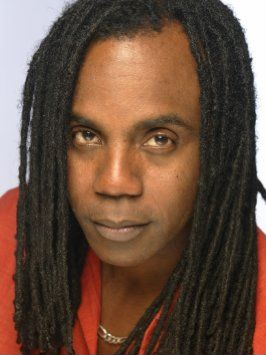
Donald Fullilove
Self
Bob Gale
SelfMichael Klastorin
Self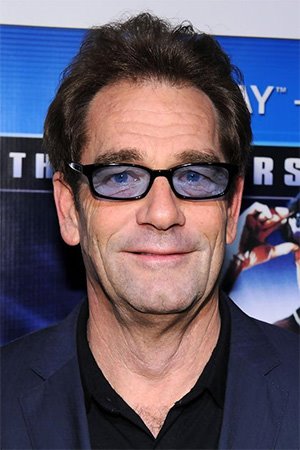
Huey Lewis
Self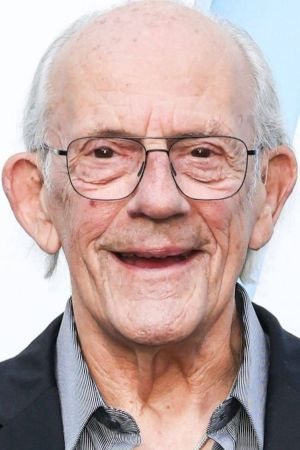
Christopher Lloyd
Self (archive footage)Huey Lewis & The News
Themselves (archive footage)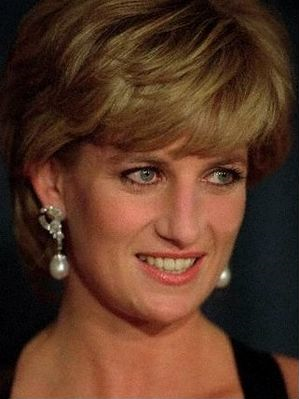
Princess Diana
Self (archive footage)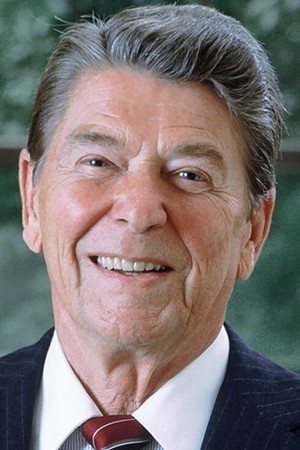
Ronald Reagan
Self (archive footage)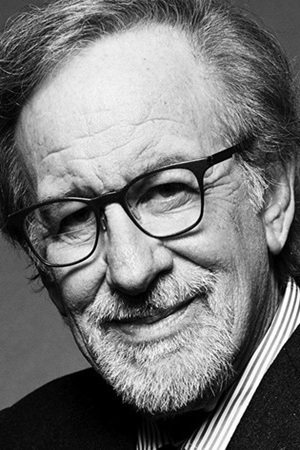
Steven Spielberg
Self (archive footage)
Lea Thompson
Self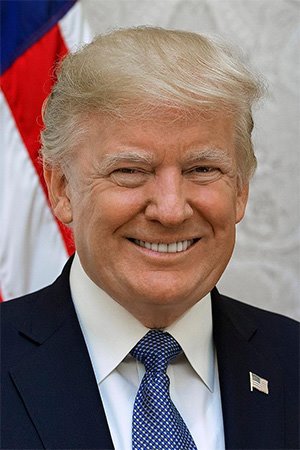
Donald Trump
Self (archive footage)
Claudia Wells
Self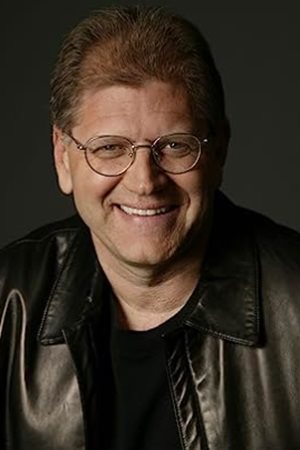
Robert Zemeckis
Self (archive footage)Nathalie Amsellem
Director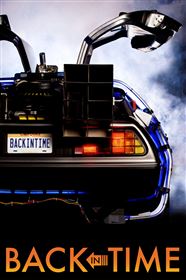
Back In Time
Cleanin' Up the Town: Remembering Ghostbusters
In Search of the Last Action Heroes
Making Waves: The Art of Cinematic Sound
24×36: A Movie About Movie Posters
Electric Boogaloo: The Wild, Untold Story of Cannon Films
Lost Soul: The Doomed Journey of Richard Stanley's Island of Dr. Moreau
Scream, Queen! My Nightmare on Elm Street
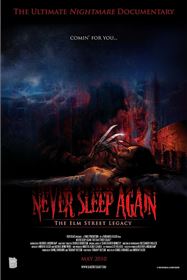
Never Sleep Again: The Elm Street Legacy

Crystal Lake Memories: The Complete History of Friday the 13th
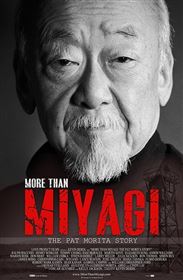
More Than Miyagi: The Pat Morita Story
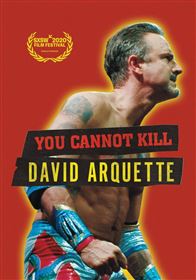
You Cannot Kill David Arquette
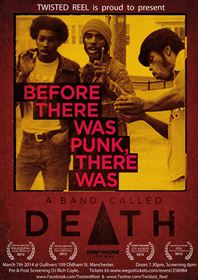
A Band Called Death
Muscle Shoals
It Might Get Loud
Sound City
Echo In the Canyon
Quincy

Rolling Thunder Revue: A Bob Dylan Story by Martin Scorsese
Foo Fighters: Back and Forth


