Land of Silence and Darkness (1971)
Documentary · 1h 25m · 7/30/2014



Description
Communication is one of the most fundamental aspects of being human, so it shouldn't come as a surprise that Herzog's first feature-length documentary deals with that very topic. The film follows Fini Straubinger, a woman who had lost her hearing and sight, as she travels to visit others without those two senses. Through her interactions and the incredible stories of the people she meets, Herzog provides the audience with a hypnotizing experience and a newfound appreciation of how communication touches our lives every day. While many directors might have taken a scientific approach to the topic, Herzog instead focuses on the humanity of the film's subjects and the emotion of their stories. He devised a specific set of guidelines for production to follow which stripped away anything from the audio and visual that would create a disconnect from their world. The camerawork was of critical importance in achieving this goal. Knowing a traditional tripod would create a look too static and removed, Herzog prohibited its use throughout filming, and also advised cinematographer Jörg Schmidt-Reitwein not to use zooms, but instead, physically move through crowds with his whole body. Utilizing this natural movement of the camera, Herzog created a beautiful, sensory experience that had rarely been seen on the screen before. The film was a moving tribute to Straubinger and the deaf-blind community, allowing the world to better grasp the immense isolation of these individuals and doing so in a way that fostered respect and admiration. Herzog himself has said this film is particularly close to his heart, even going as far as to say, "I think the work we did on that film is some of the best I've ever done," and adding, "of all of my films, this is the one I want to be available to audiences the most."
Release Country
United StatesRelease Date
7/30/2014Media Type
DocumentaryAudio
 |
German | |
|
Digital Copy
Not IncludedStudio
Werner Herzog Filmproduktion/Shout! FactorySubtitles
 English
Video Format
1080pAspect Ratio
1.33:1Cover Type
DigibookDiscs

Streaming Rank Today
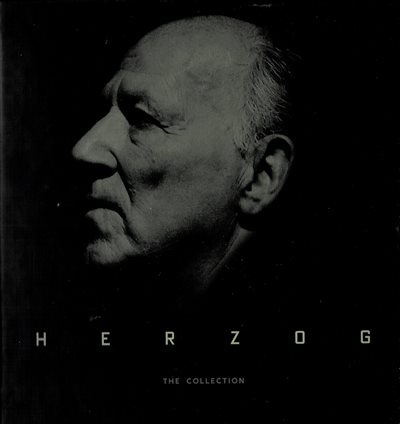
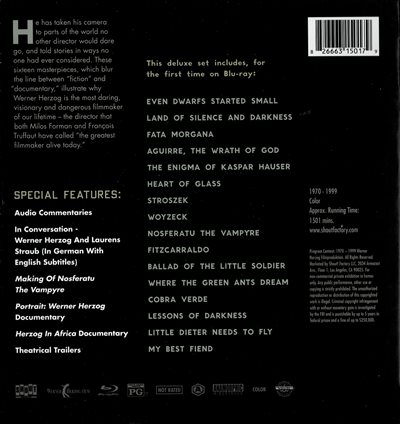
Herzog: The Collection

Fini Straubinger
SelfElsa Fehrer
SelfHeinrich Fleischmann
Self
Rolf Illig
Narrator (voice)Vladimir Kokol
SelfResi Mittermeier
SelfGustav Heinemann
Self (uncredited)
Werner Herzog
DirectorWerner Herzog
WriterWerner Herzog
Producer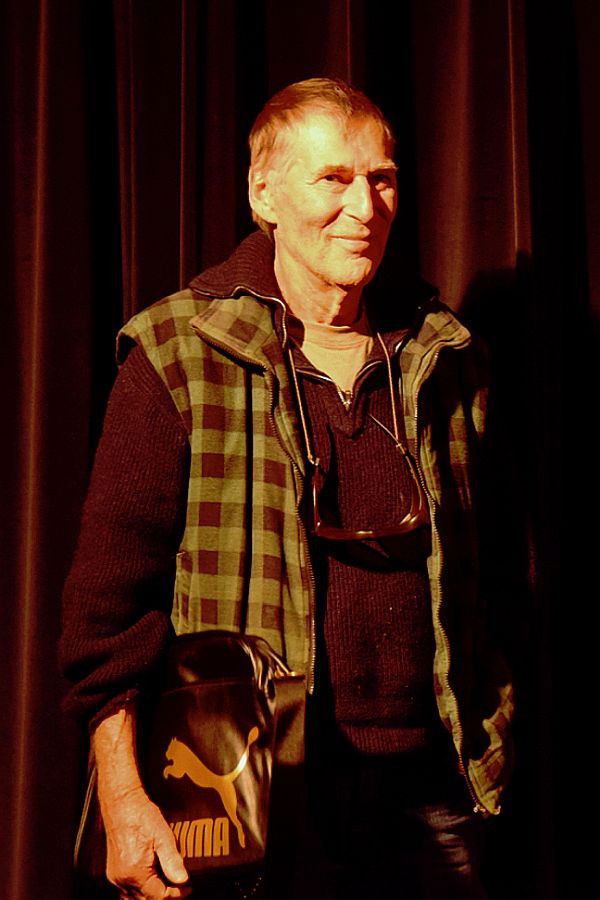
Jörg Schmidt-Reitwein
Cinematograpy
Aguirre, the Wrath of God
Stroszek
Woyzeck
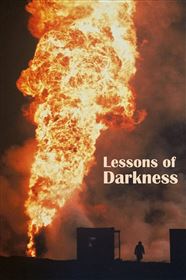
Lessons of Darkness
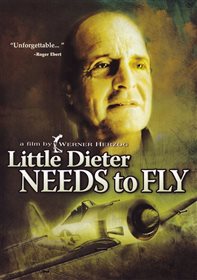
Little Dieter Needs to Fly
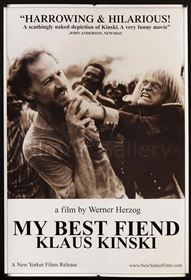
My Best Fiend
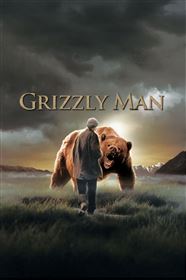
Grizzly Man
Fata Morgana
Heart of Glass
Fitzcarraldo
Wheel of Time
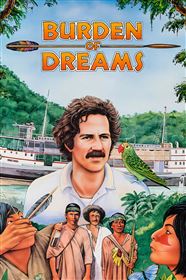
Burden of Dreams
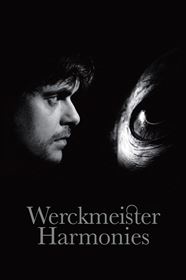
Werckmeister Harmonies
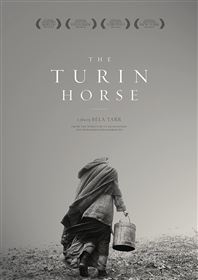
The Turin Horse
Satantango
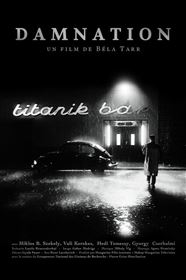
Damnation
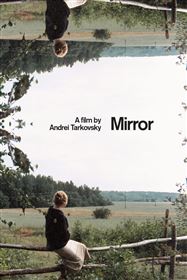
Mirror
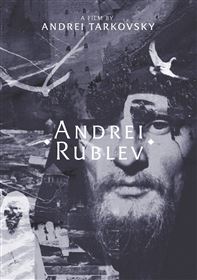
Andrei Rublev
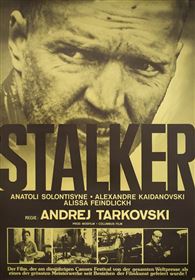
Stalker
Sans Soleil
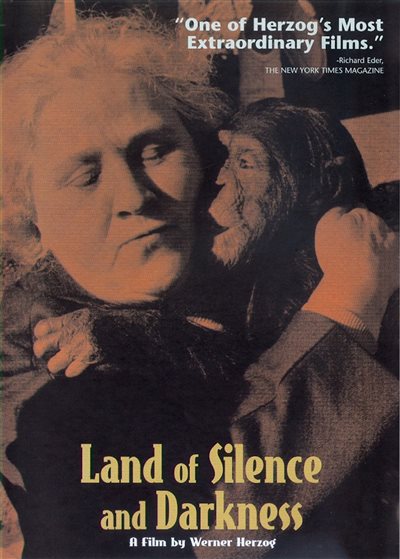
Land of Silence and Darkness
(DVD, Keep Case (Std.))
7/5/2005