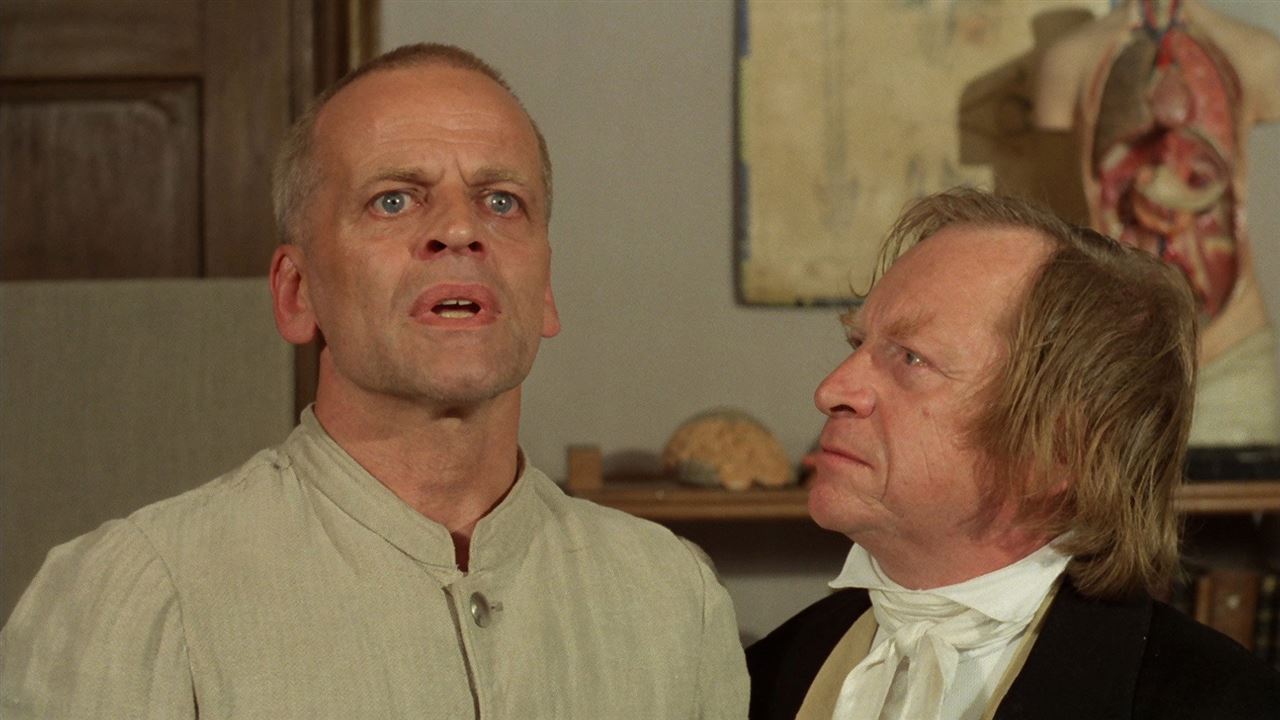
Woyzeck (1979)
Drama · 1h 22m · 7/30/2014



Description
For Herzog's next feature, he again ventured into the dark depths of madness, this time telling the story of a real life 19th-century barber-turned-soldier named Johann Christian Woyzeck, who was executed after mysteriously killing the woman he loved. Based on unfinished stage play by German playwright Georg Buchner in 1836, Herzog’s script follows the path of Woyzeck as he endures military experiments in a lab which ultimately turn him into a killing machine. The script deftly stitches together the plot from scenes Buchner crafted, although it's impossible to know what order those scenes were originally meant to follow. However Buchner intended the story to go, in Herzog’s hands it became a masterpiece of human emotion and psychological struggle. While many of Herzog’s films are notorious for arduous productions and trouble with local authorities, none of that occurred during the filming of Woyzeck. As Herzog himself once reported, “I shot [Woyzeck] in just eighteen days, and edited the film – an entire feature film – competing the final cut in only four days! That’s how films should be made.” For the lead role in the film, Herzog initially intended to use Bruno S., but after completing the script he realized there was only one man capable of portraying such hopeless madness – Klaus Kinski. Knowing full well that Kinski was exhausted after filming Nosferatu the Vampyre, which had only just finished shooting, Herzog thrust his leading man into the new role right away so the exhaustion would add extra layers to Kinski’s performance. Filming on Woyzeck began just five days after Nosferatu wrapped. Throughout the production, Herzog utilized a hands-off approach to directing, allowing his performers to take the reins on how their portrayals of these tragic characters would unfold. This decision gave his actors the freedom they needed to fully embrace the emotions of the story and led to some of the strongest performances in any of his films. Upon its release in 1979, Woyzeck was met with critical acclaim for the incredible performances of the unleashed actors. Herzog’s leading lady, Eva Mattes, won the Best Supporting Actress award at the Cannes Film Festival, and Kinski received many high marks for his inspired turn as the soldier-turned-killer. Herzog was nominated for the Golden Palm, and two years later in 1981, the film would be awarded the Silver Guild Film Award from the Guild of German Art House Cinemas.
Release Country
United StatesRelease Date
7/30/2014Media Type
MovieAudio
 |
German | |
|
Digital Copy
Not IncludedStudio
Werner Herzog Filmproduktion/Zweites Deutsches Fernsehen (ZDF)/Shout! FactorySubtitles
 English
Video Format
1080pAspect Ratio
1.66:1Cover Type
DigibookDiscs

Streaming Rank Today
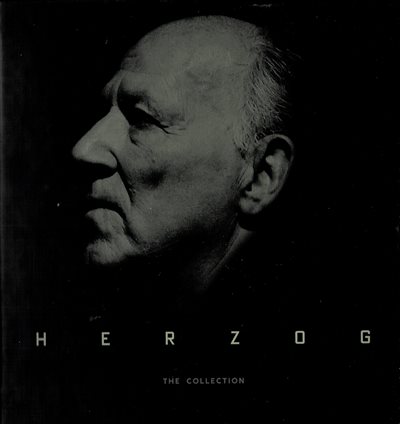
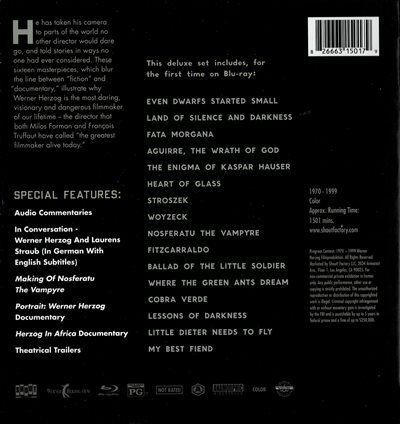
Herzog: The Collection

Klaus Kinski
Woyzeck
Eva Mattes
Marie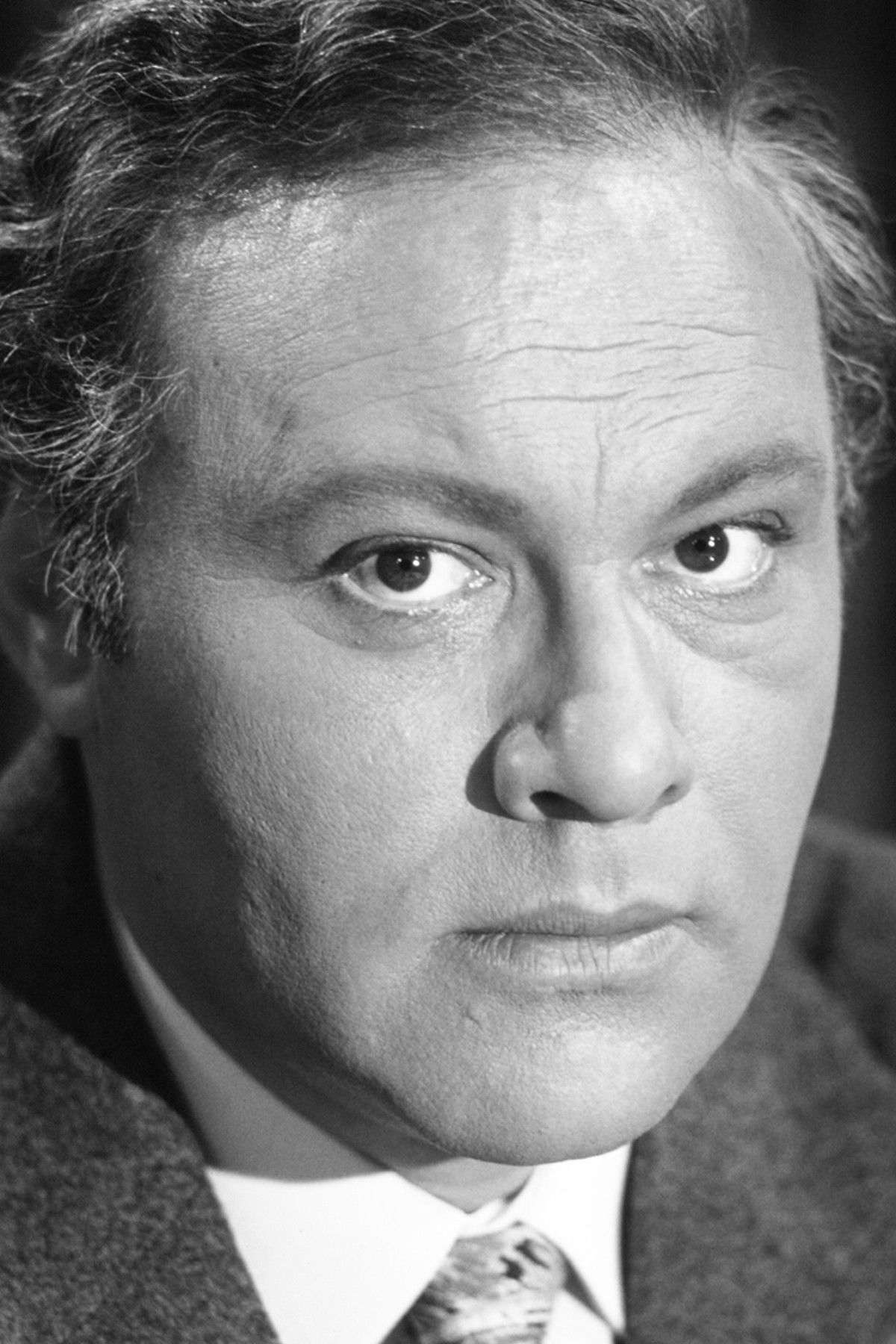
Wolfgang Reichmann
Captain
Willy Semmelrogge
Doctor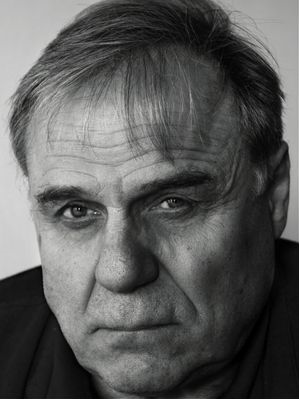
Josef Bierbichler
Drum Major
Paul Burian
Andres
Volker Prechtel
Handwerksbursche (as Volker Prechtl)Dieter Augustin
MarktschreierIrm Hermann
MargretWolfgang Bächler
JewRosemarie Heinikel
Käthe (as Rosy-Rosy Heinikel)
Herbert Fux
Unteroffizier
Werner Herzog
DirectorGeorg Büchner
WriterWerner Herzog
Writer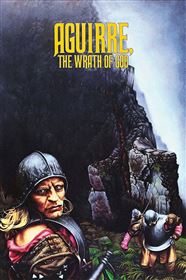
Aguirre, the Wrath of God
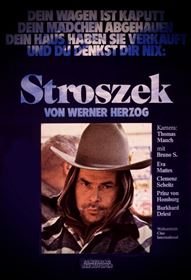
Stroszek
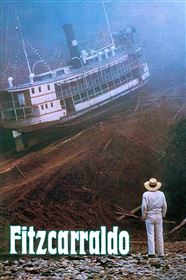
Fitzcarraldo
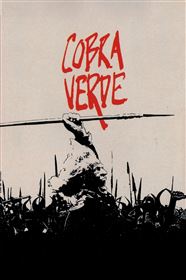
Cobra Verde
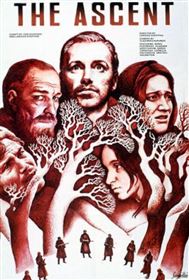
The Ascent
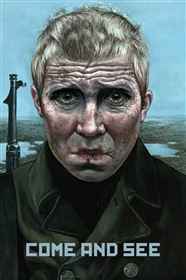
Come and See
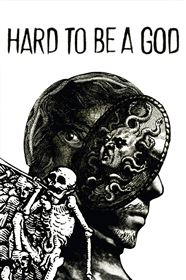
Hard to Be a God
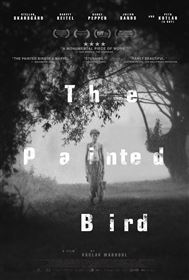
The Painted Bird
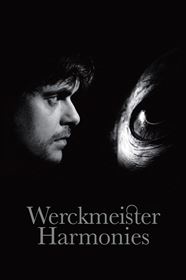
Werckmeister Harmonies
Satantango
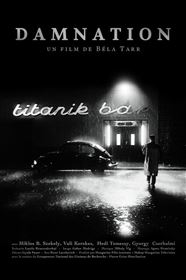
Damnation
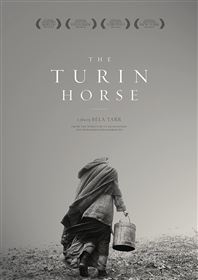
The Turin Horse
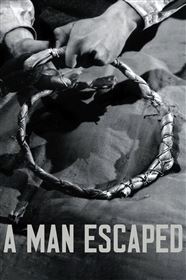
A Man Escaped
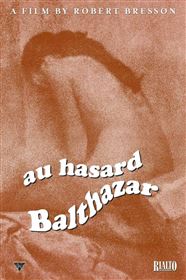
Au hasard Balthazar
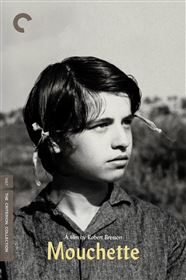
Mouchette
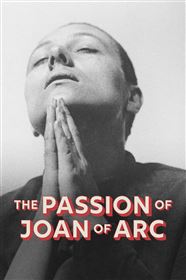
The Passion of Joan of Arc
Marketa Lazarová

Valerie and Her Week of Wonders

The Hourglass Sanatorium
The Saragossa Manuscript by Wojciech Jerzy Has
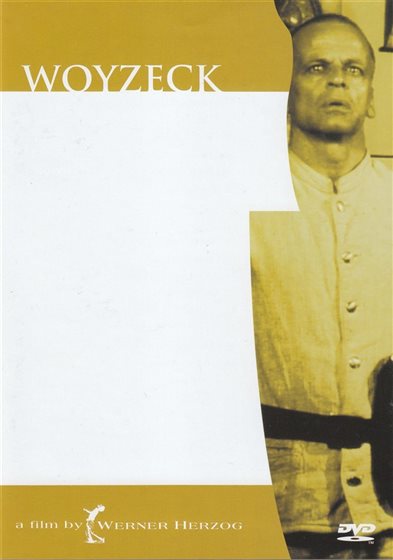
Woyzeck
(DVD)
Woyzcek
(DVD)
7/9/2002
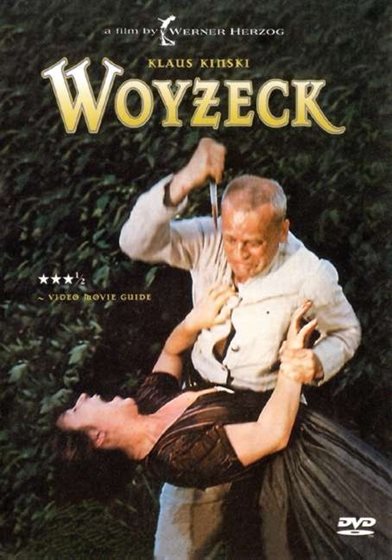
Woyzeck
(DVD)
8/15/2000