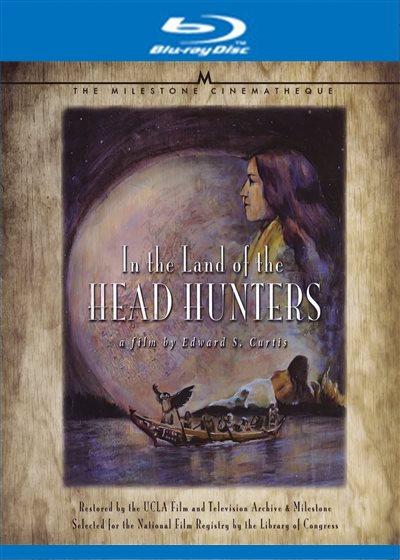
In the Land of the Head Hunters (1914)
Drama · 1h 6m · 2/24/2015


Description
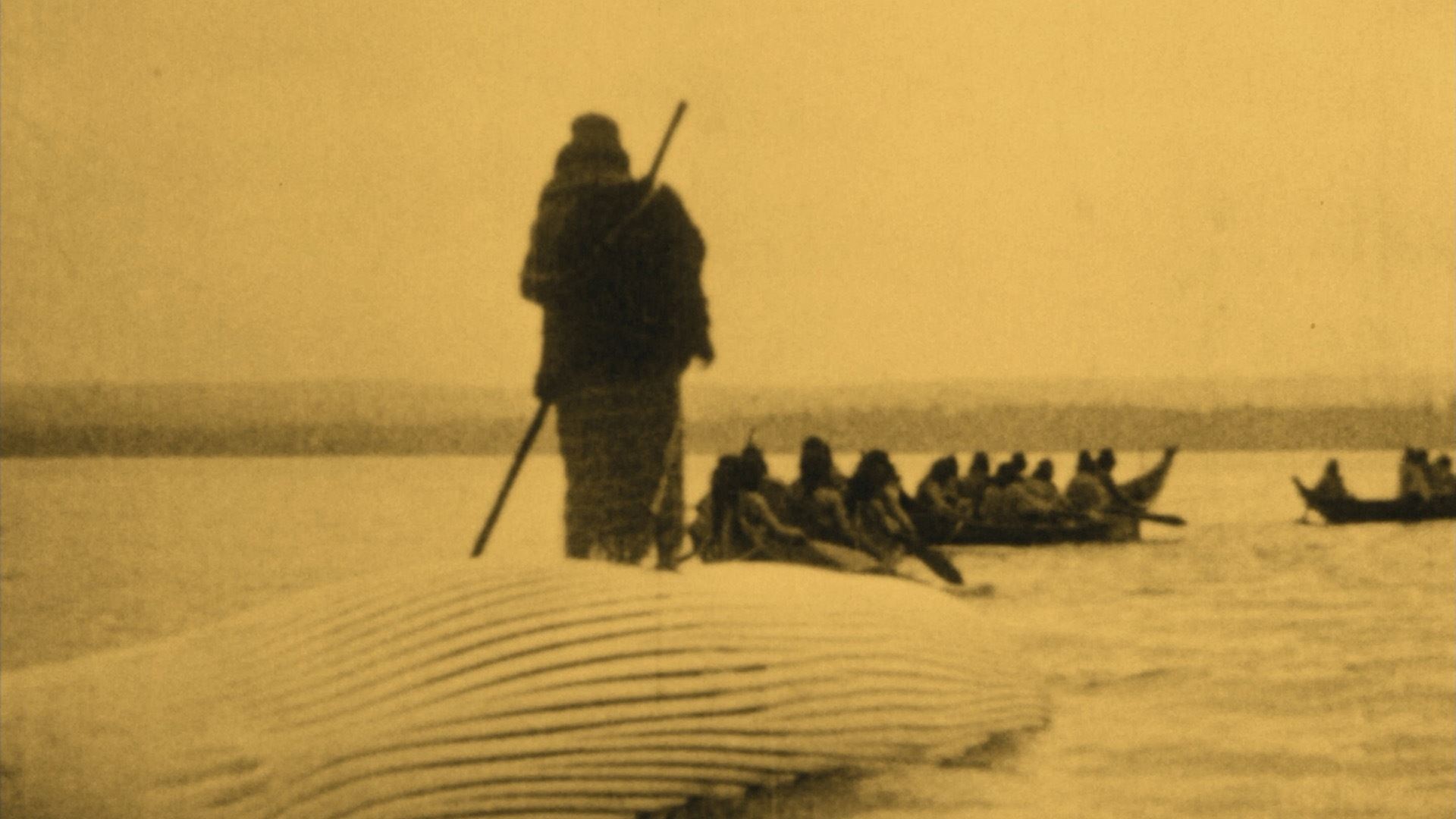
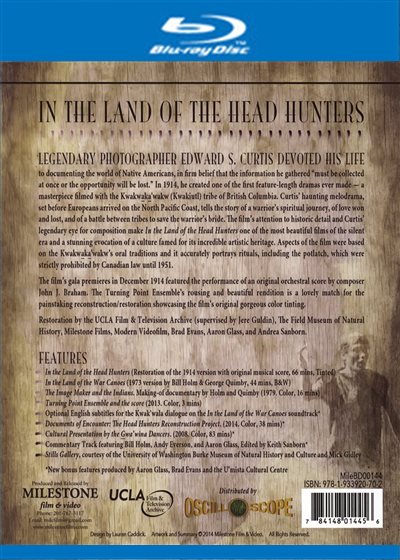
Legendary photographer Edward S. Curtis devoted his life to documenting the world of Native Americans, in firm belief that the information he gathered "must be collected at once or the opportunity will be lost." In 1914, he created one of the first feature-length dramas ever made — a masterpiece filmed with the Kwakwaka'wakw (Kwakiutl) tribe of British Columbia. Curtis' haunting melodrama, set before Europeans arrived on the North Pacific Coast, tells the story of a warrior's spiritual journey, of love won and lost, and of a battle between tribes to save the warrior's bride. The film's attention to historic detail and Curtis' legendary eye for composition make In the Land of the Head Hunters one of the most beautiful films of the silent era and a stunning evocation of a culture famed for its incredible artistic heritage. Aspects of the film were based on the Kwakwaka'wakw's oral traditions and it accurately portrays rituals, including the potlatch, which were strictly prohibited by Canadian law until 1951. The film's gala premieres in December 1914 featured the performance of an original orchestral score by composer John J. Braham. The Turning Point Ensemble's rousing and beautiful rendition is a lovely match for the painstaking reconstruction/restoration showcasing the film's original gorgeous color tinting. Restoration by the UCLA Film & Television Archive (supervised by Jere Guldin), The Field Museum of Natural History, Milestone Filins, Modern Videofilm, Brad Evans, Aaron Glass, and Andrea Sanborn.

Release Country
United StatesBarcode
784148014456Release Date
2/24/2015Media Type
MovieAudio
 |
Music | PCM | | ||
|
Music |  |
 | ||
 |
Commentary | PCM | |
Studio
World Film Corporation/Seattle Film Co./Milestone Film & Video/Oscilloscope PicturesVideo Format
1080pAspect Ratio
1.33:1Cover Type
Keep Case (HD Slim, Low)Discs


Stanley Hunt
MotanaSarah Constance Smith Hunt
Naida and a Na'nalalal DancerMrs. George Walkus
Naida and SorceressPaddy 'Malid
KenadaBalutsa
Waket and YaklusKwagwanu
SorcererFrancine Hunt
Clam digger, captive, wedding dancerBob Wilson
Fisherman who drops a paddle on the rocksMaggie Frank
Naida (uncredited)Awidi
ExtraAlfred Charlie
ExtraEdward S. Curtis
DirectorEdward S. Curtis
WriterEdmund August Schwinke
CinematograpyJohn J. Braham
Music
Life of an American Fireman

The Great Train Robbery
The Squaw Man
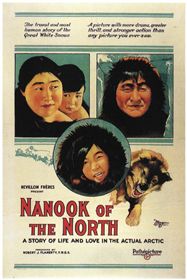
Nanook of the North
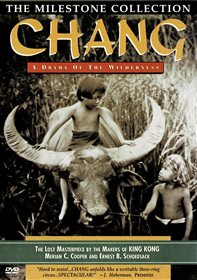
Chang: A Drama of the Wilderness
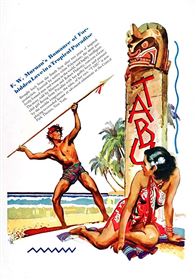
Tabu: A Story of the South Seas
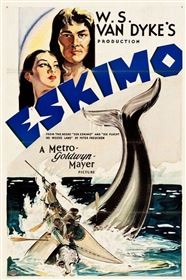
Mala the Magnificent
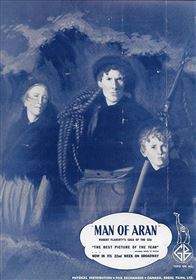
Man of Aran
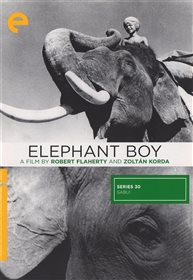
Elephant Boy
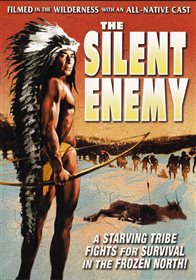
The Silent Enemy

Hallelujah
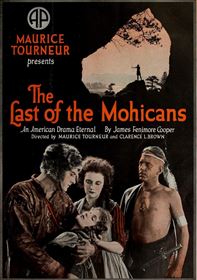
The Last of the Mohicans
The Daughter of Dawn
The Iron Horse
3 Bad Men

The Way of All Flesh
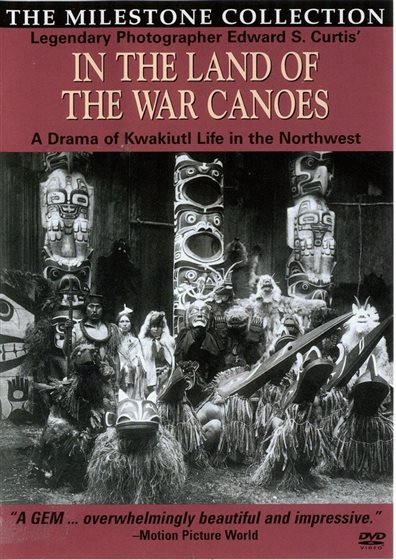
In The Land of the War Canoes
(DVD)
8/15/2000