Zatoichi's Pilgrimage (1966)
Drama · 1h 23m · 11/26/2013


Description
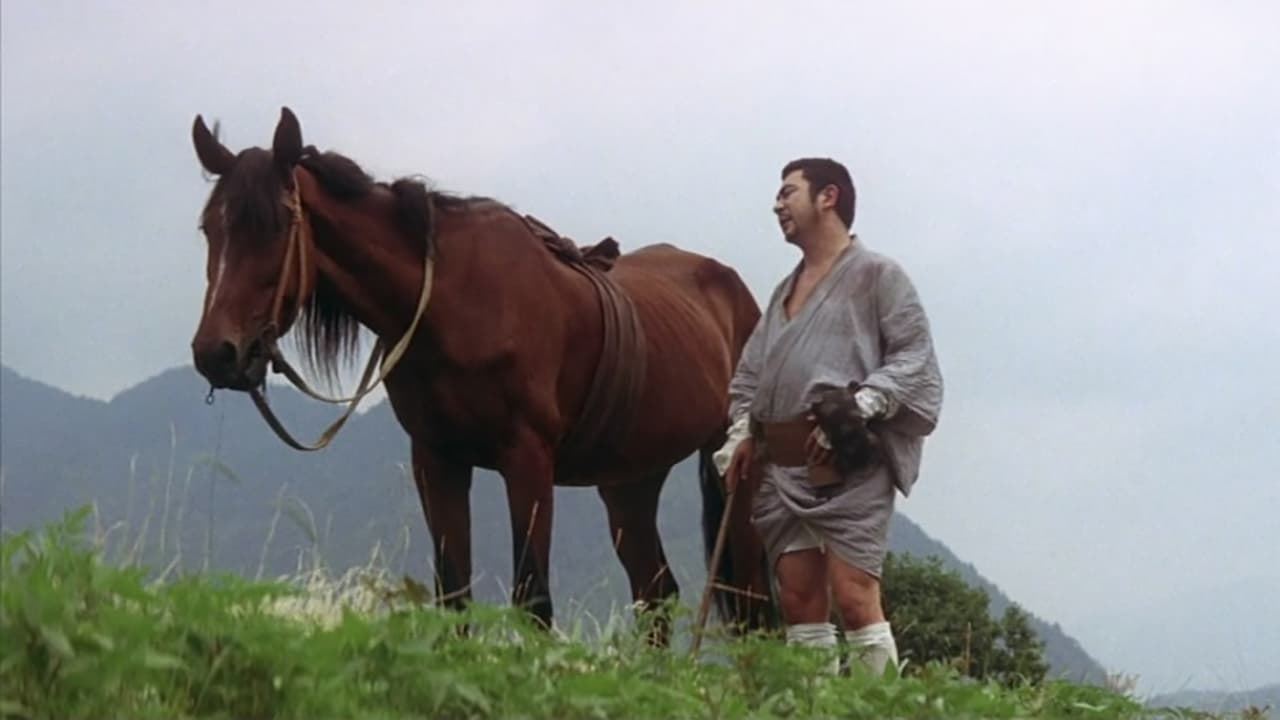
In a bid to do something a bit different, star Shintaro Katsu and director Kazuo Ikehiro brought in filmmaker Kaneto Shindo—director of Onibaba (1964) and, later, Kuroneko (1968)—to write a script about Ichi doing penance for those he has killed by making a pilgrimage to eighty-eight temples. However, the head honcho of Daiei kept them from going too far in an unorthodox direction. The Zatoichi films at this point were the studio's bread and butter, a guaranteed income stream that needed to be left relatively untampered with. So the initial concept was kept only for the beginning of the film, and Ikehiro and Shindo had to rework the rest of the story line in a more conventional vein. Crossing a bridge in the wilderness, on his way to one of the temples, Ichi is set upon and kills his attacker. The man's horse follows Ichi for a while and then leads him to its owner's house, where the dead man's sister (Michiyo Yasuda) lives. Ichi, being the contrite fool that he is, explains to her what happened, and she grabs a sword and slashes his shoulder. But she soon comes to her senses and nurses his wound. Her brother's cohorts, a mountain bandit clan, discover Ichi and make things decidedly unpleasant. There is an expertly choreographed climactic showdown, with shades of High Noon in the form of ambivalent, unhelpful villagers. Ichi must also go up against the bandit boss, Tohachi, who is an expert archer. Yasuda was a huge star at Daiei in the mid to late 1960s, known primarily for her action roles as a sword-wielding heroine in various yakuza (the Kanto Woman Yakuza quartet of 1968-69) and samurai chanbara pictures.
Release Country
United StatesRelease Date
11/26/2013Media Type
MovieAudio
 |
Japanese | PCM | |
Digital Copy
Not IncludedStudio
Kadokawa Corporation (Kadokawa Pictures Inc.)/Janus Films/The Criterion CollectionSubtitles
 English
Video Format
1080pAspect Ratio
2.35:1Cover Type
Slip CaseDiscs

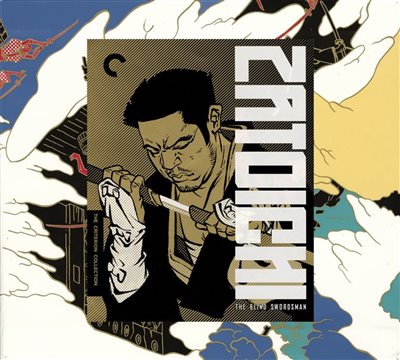
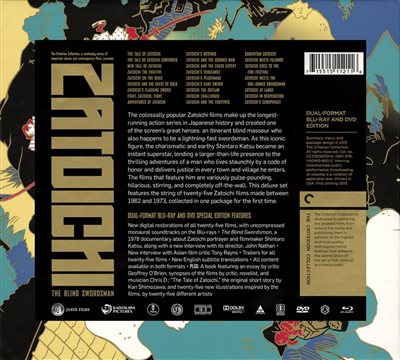
Zatoichi: The Blind Swordsman
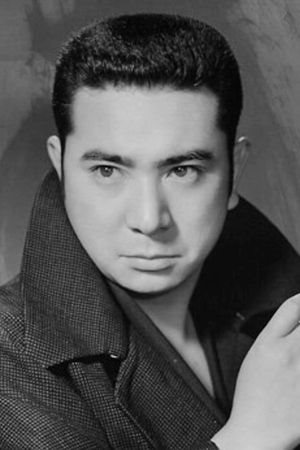
Shintarô Katsu
Zatoichi
Michiyo Yasuda
Kichi
Kunie Tanaka
Man speaks a lot
Hisashi Igawa
Eigoro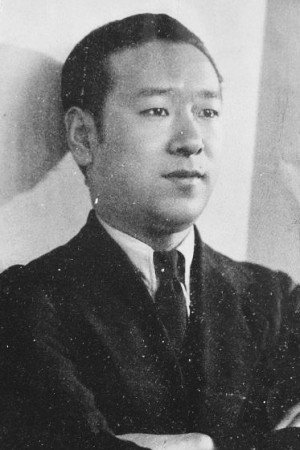
Masao Mishima
Nanashino Gonbei
Jôtarô Senba
Violent PickpocketRyûtarô Gomi
Jyonenbo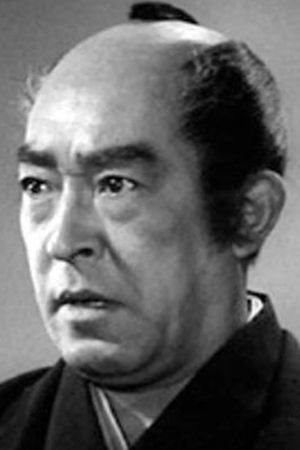
Isao Yamagata
Boss Tohachi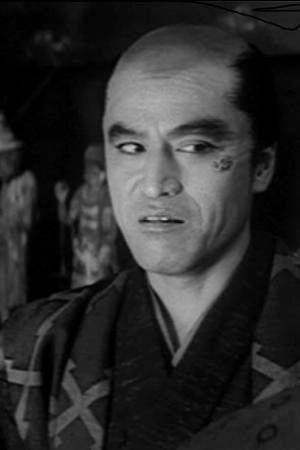
Saburô Date
KagimatsuTakahiko Higashino
YasuzoYukio Horikita
Heita
Jun Katsumura
Tohachi yakuza
Kanae Kobayashi
Yasuzo's motherMasako Morishita
Little girl on boat
Manabu Morita
TakujiShôsaku Sugiyama
FarmerYûsaku Terashima
FarmerKazuo Ikehiro
Director
Kan Shimozawa
WriterKaneto Shindô
WriterIkuo Kubodera
ProducerSenkichiro Takeda
CinematograpyToshio Taniguchi
EditorIchirô Saitô
Music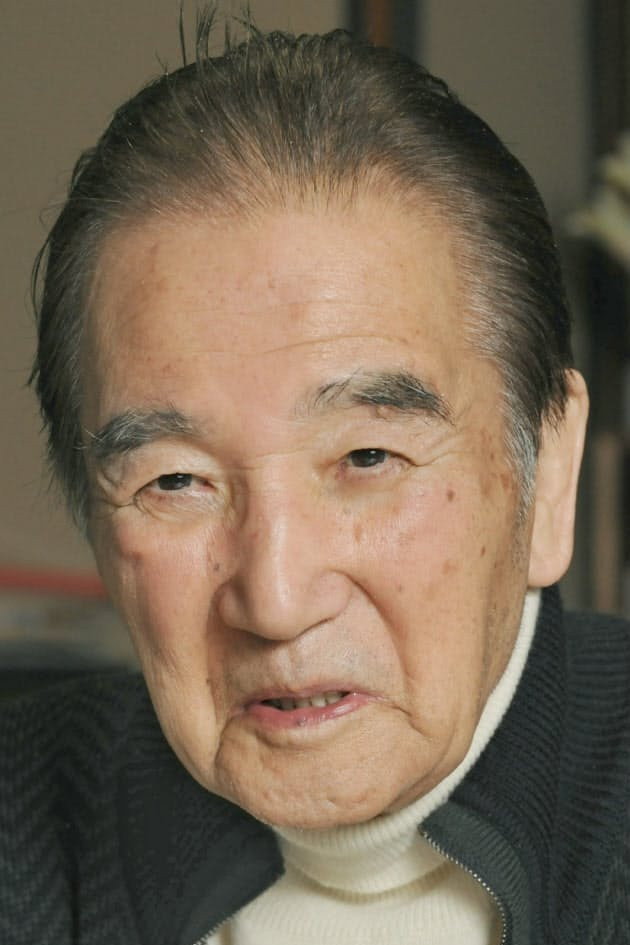
Yoshinobu Nishioka
Art
Yojimbo

Sanjuro

Harakiri
Seven Samurai
Throne of Blood
Lone Wolf and Cub: Sword of Vengeance
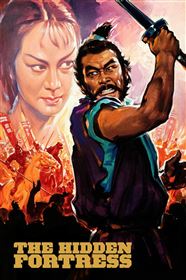
The Hidden Fortress

Samurai Assassin
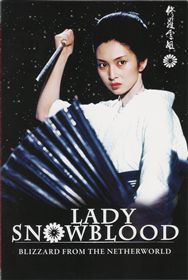
Lady Snowblood: Blizzard From the Netherworld
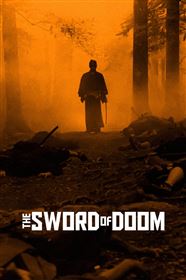
The Sword of Doom

Goyokin
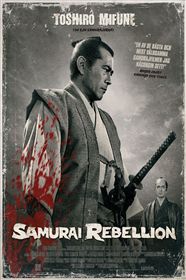
Samurai Rebellion
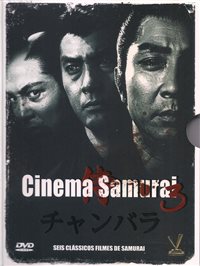
Hitokiri
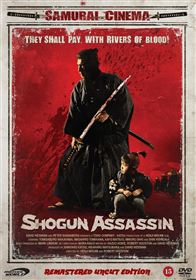
Shogun Assassin
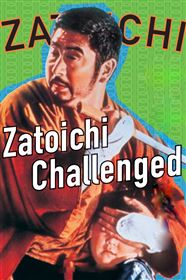
Zatoichi Challenged
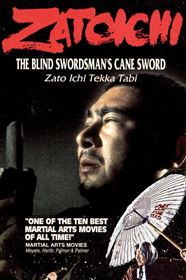
Zatoichi's Cane Sword
Zatoichi and the Chess Expert
Zatoichi and the Fugitives
Zatoichi and the Doomed Man
Zatoichi 01: The Tale of Zatoichi
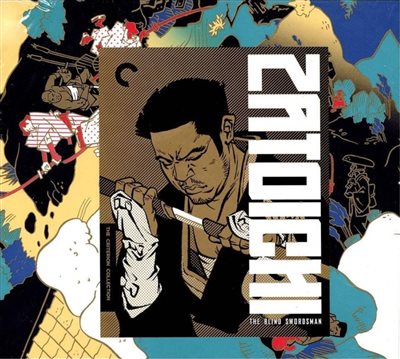
Zatoichi's Pilgrimage
(Blu-ray, Digibook)
9/16/2016