
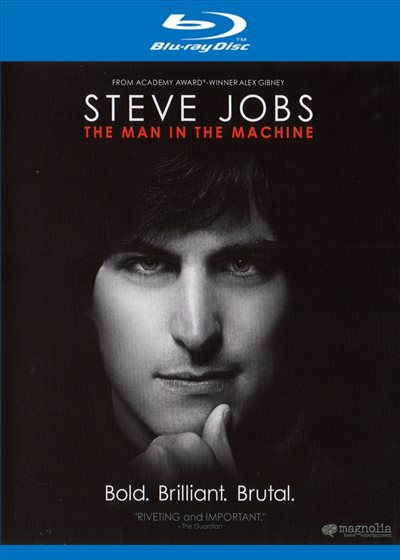
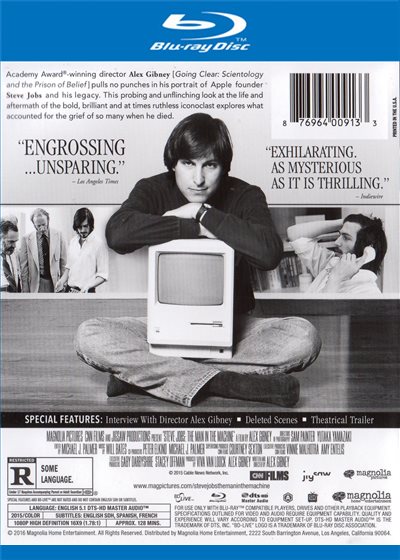
Steve Jobs (2015)
Documentary · 2h 30m · 11/4/2015


Description
From Oscar-winning filmmaker Alex Gibney, the creator of such controversial and thought-provoking films as Enron: The Smartest Guys in the Room, We Steal Secrets: The Story of Wik-ileaks, and The Armstrong Lie, comes another penetrating and contemplative exploration of con-temporary society and the men and women who shape it: Steve Jobs: The Man in the Machine. Perhaps the most publicly revered corporate figure of the technology age, Jobs’ untimely death at the age of 56 in 2011 set off a worldwide outpouring of grief from consumers who wor-shipped his signature products such as the iPhone and the iMac. As the co-founder and CEO of Apple, his name and image had become synonymous with the sleek, high-tech personal devices that came to define and transform the first two decades of the 21st century. Even after his death, the highly secretive creation and careful launching of each new Apple product continues to be the focus of mass media interest and a rush by consumers to be the first to own it. As a result, Jobs was able to transform Apple from a small start-up working out of a gar-age into the world’s most valuable corporation in history, a global economic engine. Steve Jobs: The Man in the Machine is no corporate sanctioned hagiography and was made without Apple’s cooperation or that of Jobs’ immediate family. Gibney’s film is a laser-sharp and balanced assessment of the technology mogul, who was part iconoclast, part savvy corporate chieftain, part genius, part tyrant. Even if Apple’s products carried a small “i,” the ego behind them was writ large. Like many gifted entrepreneurs, it was no accident that his public persona as the face of Apple often eclipsed the valuable contributions of his talented colleagues. The innovative structure of the film allows Gibney the freedom to explore the trenchant paradoxes of Jobs’ personal and public life and simultaneously examine the complexities of socie-ty’s interaction with personal computer technology. He does so through a fascinating mixture of archival footage and probing interviews with the men and women who were a part of Jobs’ per-sonal and professional life. In addition, through his probing analysis of Jobs, Gibney exposes the darker side of Sili-con Valley, where innovators create life-changing software and hardware that is then manufac-tured under appalling conditions overseas, implicating us all in the darker aspects of this new in-dustrial revolution; where collusion, a winner-take-all philosophy and a reckless disregard for so-cial responsibility are a dangerous harbinger of things to come. A byproduct of Gibney’s investi-gation of Jobs’ life is a larger commentary on the current state of technology in the modern world, how it has brought us closer together and, at the same time, isolated us. But first and foremost, Steve Jobs: The Man in the Machine is an evocative portrait of one man’s legacy. It unravels the larger than life myth Steve Jobs so deliberately crafted, and ex-amines the perpetuation of his values, which continue to shape the culture of Silicon Valley to this day.
Release Country
United StatesBarcode
876964009133Release Date
11/4/2015Media Type
MovieAudio
 |
English | |
|
Digital Copy
Digital HDStudio
20th Century FoxVideo Format
1080pAspect Ratio
2.40:1Cover Type
Keep Case (Std.)Discs

Streaming Rank Today

Bob Belleville
HimselfChrisann Brennan
HerselfNolan Bushnell
HimselfJason Chen
HimselfNick Denton
HimselfJesus Diaz
HimselfPeter Elkind
Himself
Alex Gibney
Narrator (voice)Andy Grignon
Himself
Steve Jobs
Himself (archive footage)Yukari Iwatani Kane
HerselfDaniel Kottke
HimselfBrian Lam
HimselfRegis McKenna
HimselfJoe Nocera
Himself
Ridley Scott
Himself (archive footage)Andy Serwer
HimselfSherry Turkle
Herself
Steve Wozniak
Himself (archive footage)Alex Gibney
DirectorAlex Gibney
Writer
Enron: The Smartest Guys in the Room

The Social Network

We Steal Secrets: The Story of Wikileaks

Citizenfour

Going Clear: Scientology and the Prison of Belief

The Inventor: Out for Blood in Silicon Valley

Fyre

The Cleaners

AlphaGo

Terms and Conditions May Apply

Lo and Behold: Reveries of the Connected World

Deep Web

General Magic
Print the Legend
Silicon Cowboys

Steve Jobs

Pirates of Silicon Valley

Ctrl+Alt+Compete

Something Ventured

Banking on Bitcoin
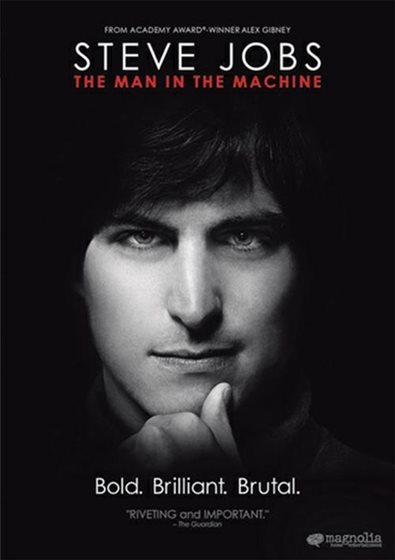
Steve Jobs: The Man In The Machine
(DVD, Keep Case (Std.))
3/15/2016
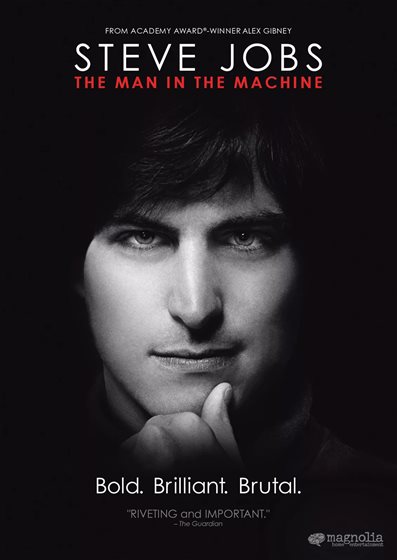
Steve Jobs: The Man in the Machine
(DVD)
3/25/2016