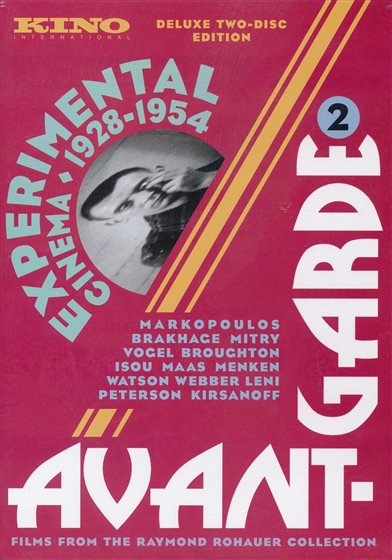
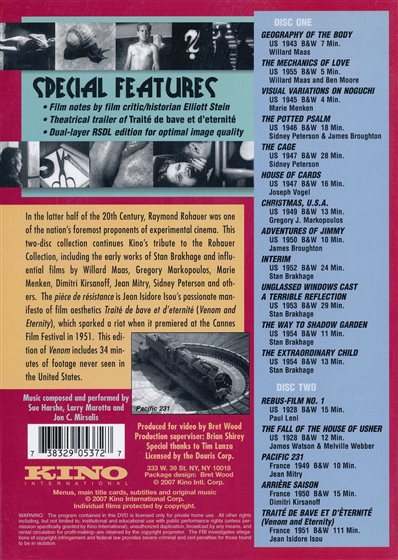
Pacific 231 (1949)
Short/Music · 0h 10m


Description
Film historian, theoretician, filmmaker and co-founder of the Cinematheque Francaise, Mitry was a film buff from childhood who threw himself into the effervescence of the 1920s as a journalist, film club director and trainee assistant on Abel Gance's great Napoleon. He was one of the few major film theoreticians who actually worked in film production. Mitry's film is not a documentary, but an attempt to create an atmosphere by associating visual impressions and familiar sounds. intimately intermingled with a musical score. The music of celebrated composer Honegger was originally written in the late 20s to accompany a silent film. Mitry became interested in it and made this dazzlingly edited visual interpretation of a rapid run through the French countryside of a Pacific 231 engine of the French railroad. Honegger's powerful score doesn't begin at the start of the film - it starts throbbing as the train begins its run. There are hypnotic shots of the rails, contrasted with lyric passages when the landscape is being observed. The music builds to a dramatic climax, then dies out with a post-orgasmic sigh as the train finally arrives at its destination railway yard.
Release Country
United StatesMedia Type
MovieStudio
Tadié CinémaAspect Ratio
1.33:1Discs

Avant-Garde 2: Experimental Cinema 1928-1954

Marc Ducouret
DirectorJean Mitry
Director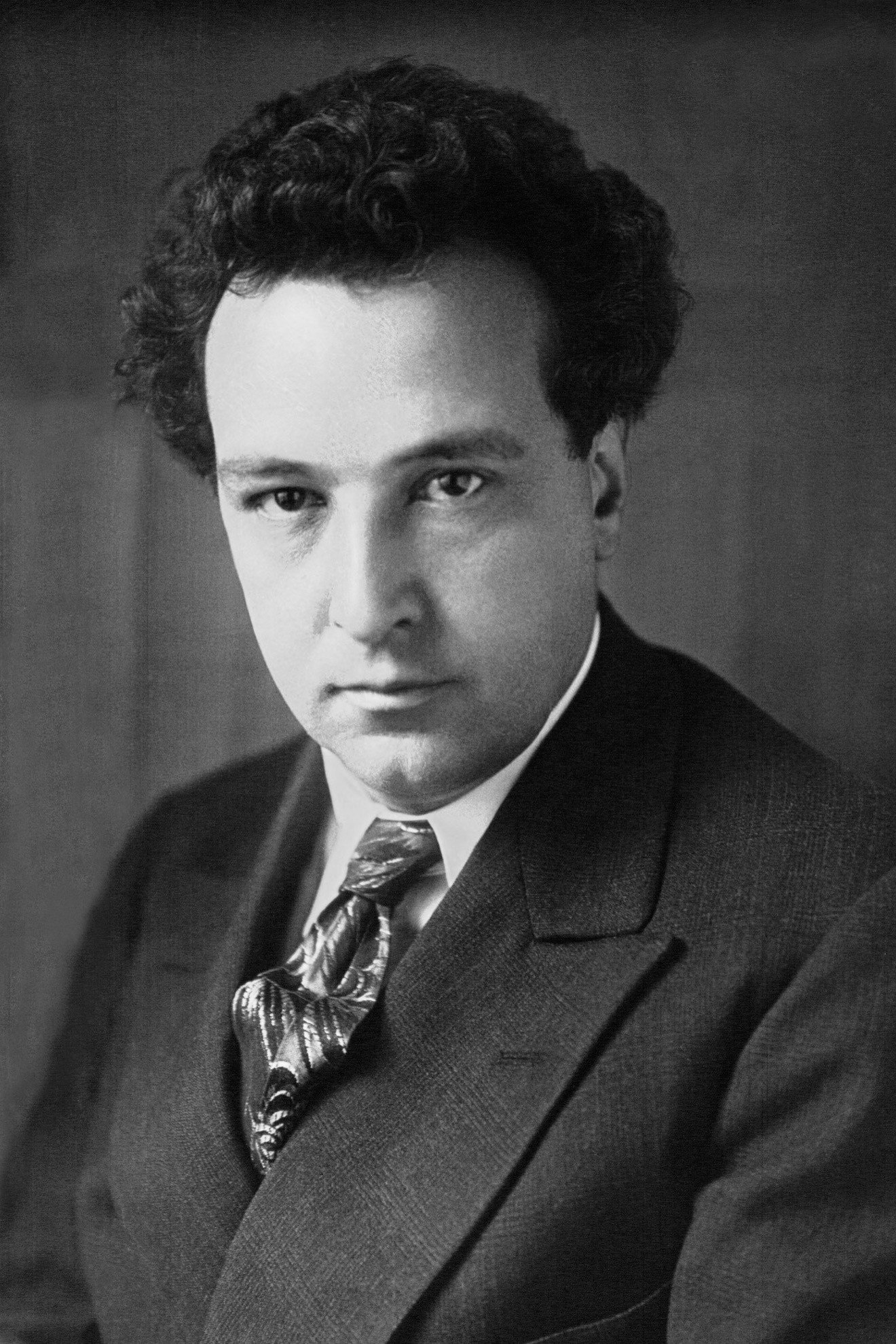
Arthur Honegger
DirectorJean Jarret
DirectorAndré Périé
DirectorAndré Tadié
Director
A Colour Box


