Zatoichi and the Doomed Man (1965)
Drama/Adventure/Action · 1h 18m · 11/26/2013


Description
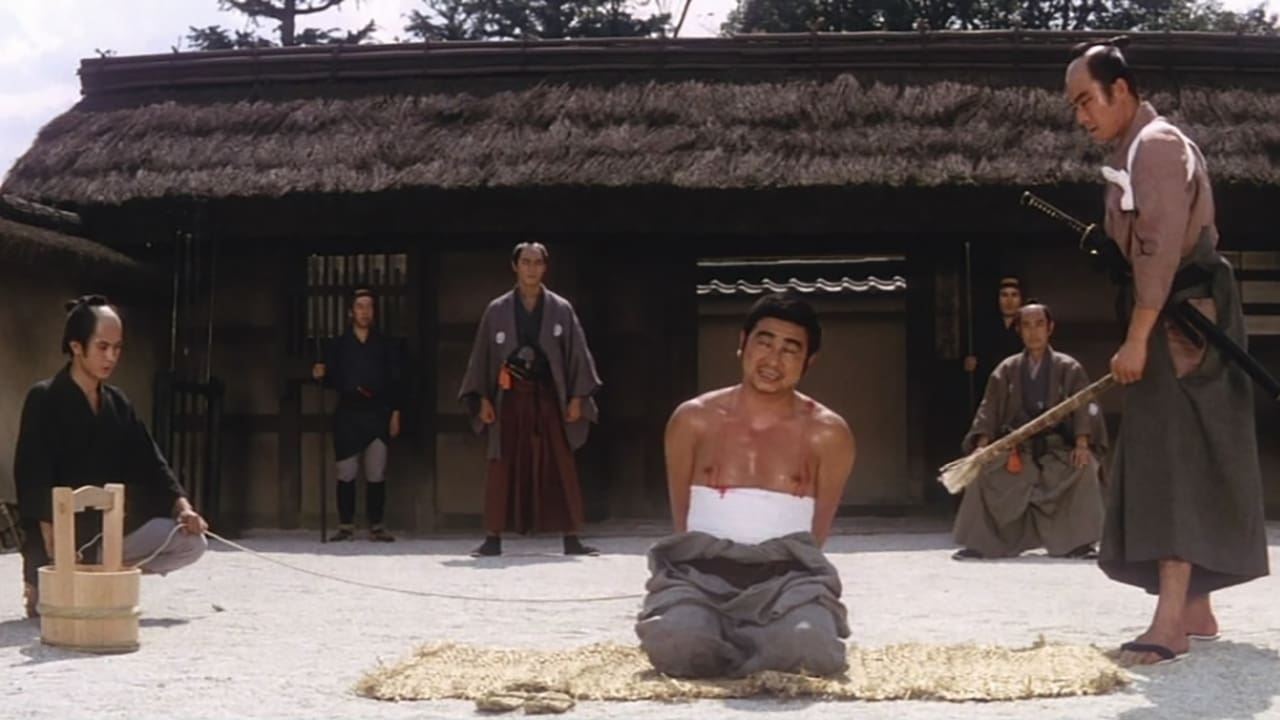
While in jail, Ichi meets Shimazo, a man slated for execution in mere days, who pleads with Ichi to clear his name once he is released. In his subsequent wanderings, Ichi also meets a mendicant monk (Kanbi Fujiyama), who not only turns out to be a con man but starts impersonating Ichi. When the faker gets himself into hot water for hoodwinking various yakuza gangs, Ichi is reluctantly drawn into his grifting schemes. Fujiyama was a noted funnyman in mid-to-late-sixties Japan, appearing in sidekick roles in many of Toei studios' ninkyo (chivalrous) yakuza films. Director Kazuo Mori utilizes some truly beautiful stretches of desolate rural coastline here as background to the fishing village location. Mori was one of Daiei executive producer Masaichi Nagata's favorite filmmakers and is also known for his splendid period dramas Suzakumon (1957), Lord Nobunaga's Early Days (1959), and Samurai Vendetta (1959), as well as the existential hit man tale A Certain Killer (1967), all starring top leading man Raizo Ichikawa. Mori also helmed the big-budget fantasy Return of Daimajin (1966) and the pre-Zatoichi The Blind Menace (1960), starring Shintaro Katsu as an evil blind masseur who murders his way up the social ladder in old Kyoto. And just as an aside for those unfamiliar with period Japanese literature and film: blind masseurs often turn up as peripheral characters. One of the most famous period ghost stories, "The Masseur's Curse," was filmed many times.
Release Country
United StatesRelease Date
11/26/2013Media Type
MovieAudio
 |
Japanese | PCM | |
Digital Copy
Not IncludedStudio
Kadokawa Corporation (Kadokawa Pictures Inc.)/Janus Films/The Criterion CollectionSubtitles
 English
Video Format
1080pAspect Ratio
2.35:1Cover Type
Slip CaseDiscs

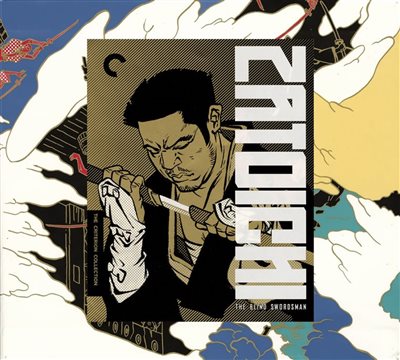
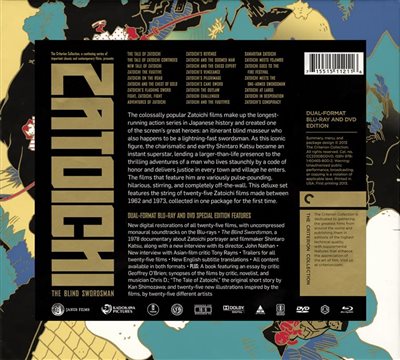
Zatoichi: The Blind Swordsman
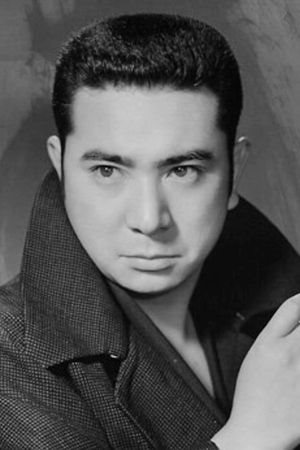
Shintarô Katsu
Zatoichi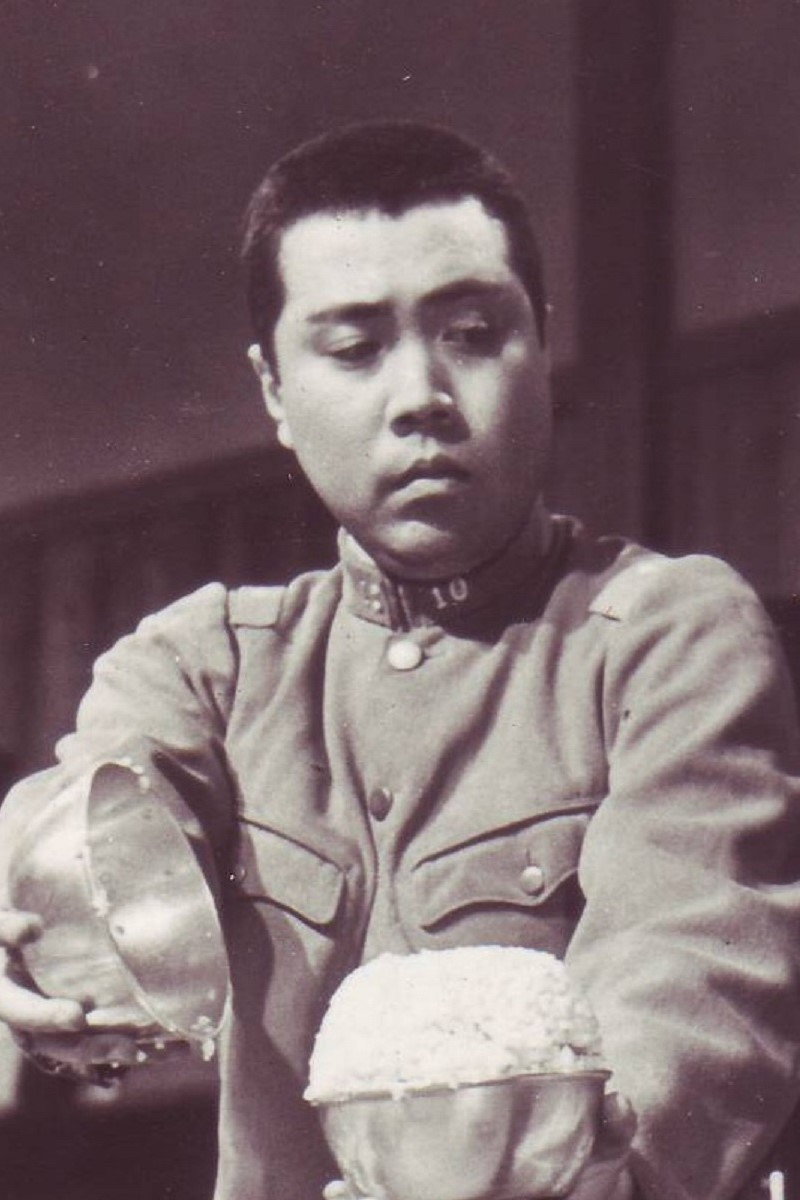
Kanbi Fujiyama
Monk Hyakutaro
Eiko Taki
Yone
Masako Akeboshi
Chiyo (as Masako Myojo)Kenjirô Ishiyama
Boss Jubei Araiso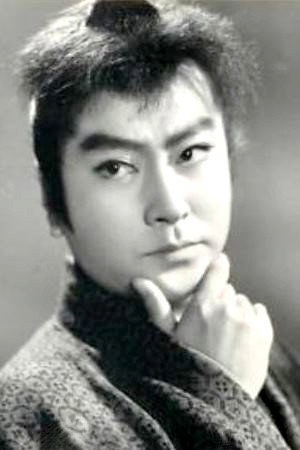
Ryûzô Shimada
Yakuza bossKôichi Mizuhara
Shimazo Kitase
Jun Katsumura
Jubei yakuza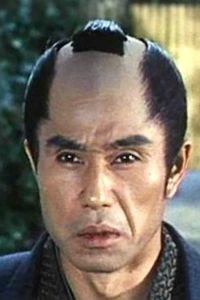
Manabu Morita
Ronin enforcerSachiko Murase
Shimazo's wifeKazuo Mori
DirectorShozaburo Asai
Writer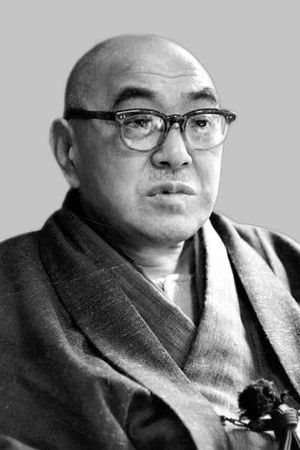
Kan Shimozawa
WriterSadao Zaizen
ProducerHiroshi Imai
CinematograpyToshio Taniguchi
EditorSeitaro Omori
MusicSeiichi Ôta
Art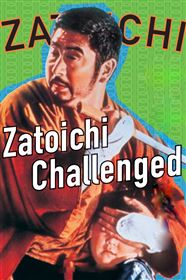
Zatoichi Challenged
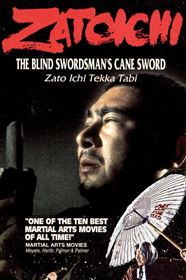
Zatoichi's Cane Sword
Zatoichi and the Chess Expert
Zatoichi's Flashing Sword
Zatoichi and the Fugitives

Zatoichi and the Chest of Gold
Zatoichi on the Road
Zatoichi's Vengeance
Zatoichi's Pilgrimage
Zatoichi 01: The Tale of Zatoichi
The Tale of Zatoichi Continues
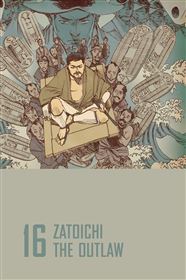
Zatoichi The Outlaw
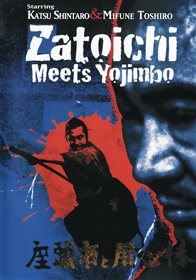
Zatoichi Meets Yojimbo
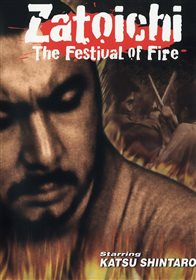
Zatoichi Goes to the Fire Festival
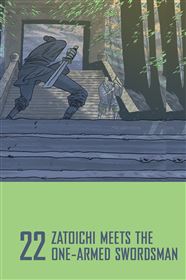
Zatoichi and the One-Armed Swordsman

Yojimbo

Sanjuro

Harakiri
Lone Wolf and Cub: Sword of Vengeance

Samurai Assassin
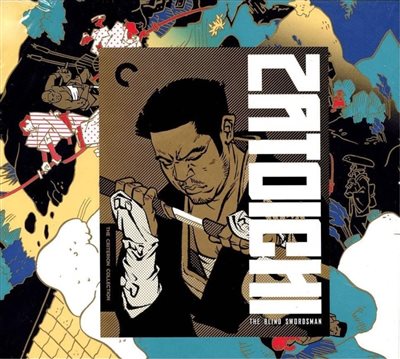
Zatoichi and the Doomed Man
(Blu-ray, Digibook)
9/16/2016
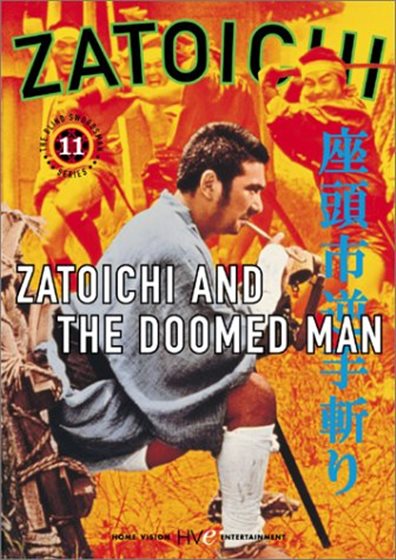
Zatoichi: Zatoichi and the Doomed Man
(DVD)
8/19/2003