Cobra Verde (1987)
Drama/Adventure · 1h 50m · 7/30/2014



Description
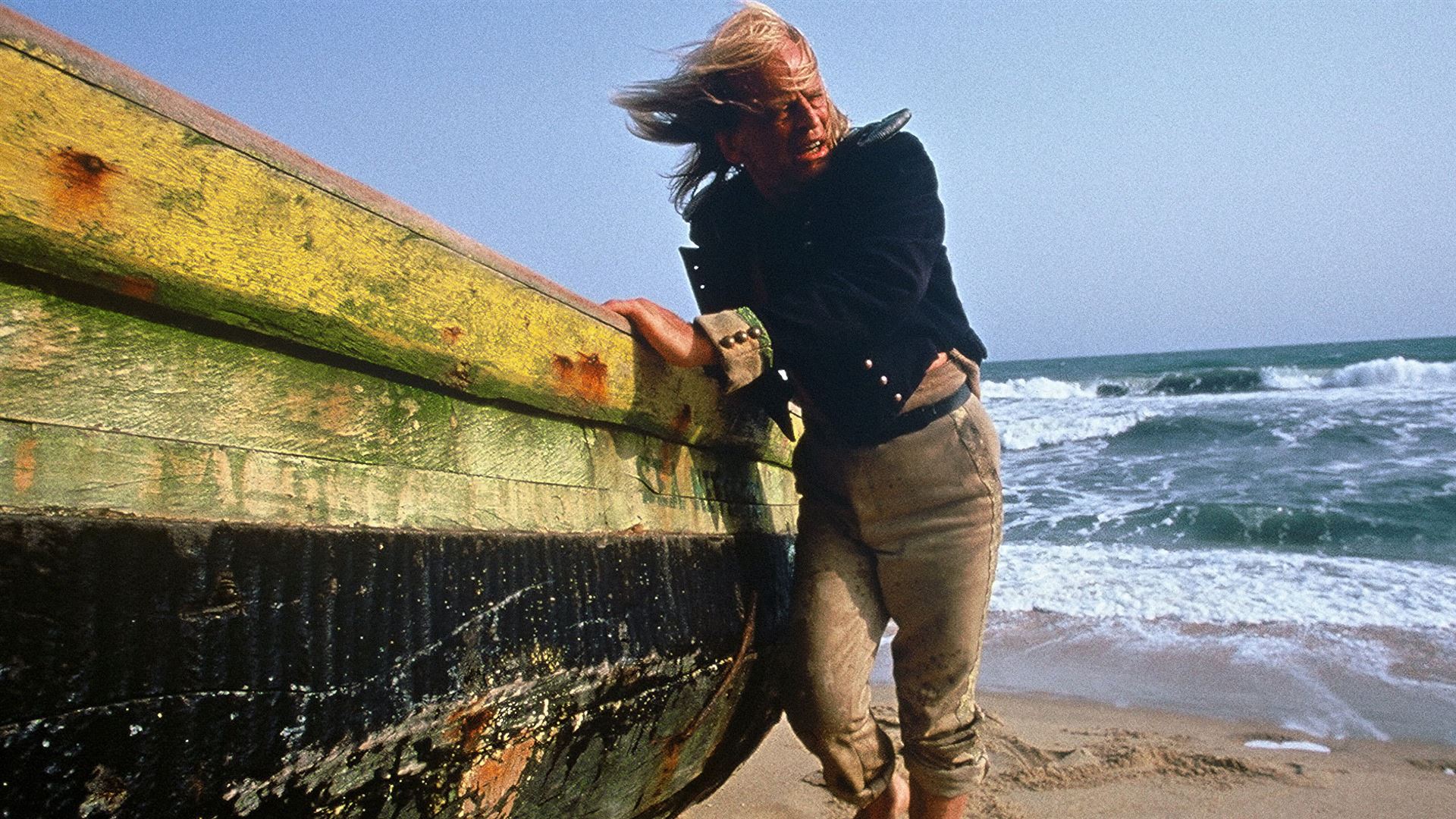
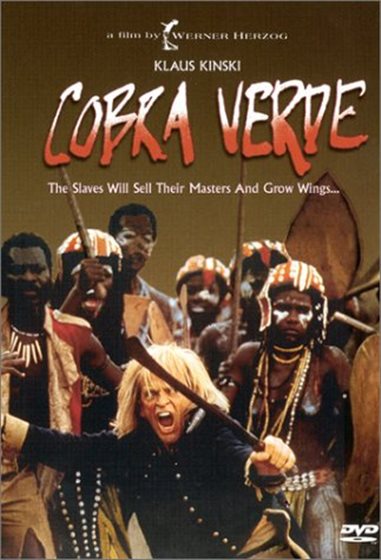
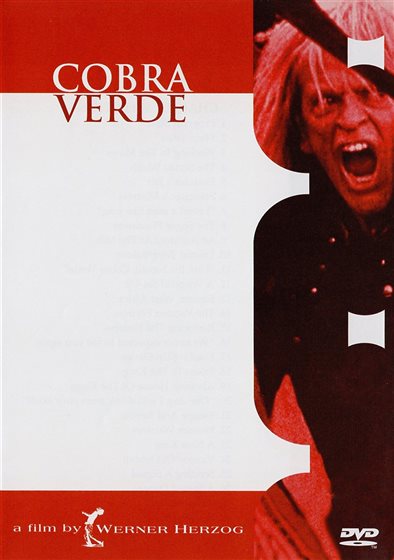
Reuniting with his longtime leading man, Klaus Kinski, Herzog next turned his creative vision to a screen adaptation of Bruce Chatwin’s 1980 novel, The Viceroy of Ouidah. Cobra Verde tells the story of a Brazilian rancher-turned-outlaw who roams the countryside, until a wealthy sugar baron hires him to supervise the plantation’s slaves, but when the baron's three daughters all end up pregnant by Cobra, the baron sends him to Africa to negotiate the prohibited slave trade. The film was shot on both sides of the Atlantic, featuring locations and Ghana, Brazil and Colombia. Herzog and Kinski initially disagreed on some of the potential sites during scouting, inciting a comment from Kinski that, "Herzog does not know that I give life to the dead scenery." This comment bespeaks the major problem encountered during the production of the film, which was that Kinski’s fiery temper finally reached a head in the face of Herzog’s direction. Throughout filming, the production was plagued by Kinski’s outbursts of crazed anger, eventually leading to the film’s original cinematographer walking out on the project and Herzog being forced replace him. Though Kinski’s performance is a maelstrom of rage that gives the film its necessary energy, it was clear this would be the final collaboration between the two creative powerhouses. Although Cobra Verde was completed in 1987, it did not really receive a theatrical release in the US until 2007. When the film finally did make it to the American critics and audiences, it was hailed as the final piece of Herzog’s trilogy of mayhem in hot climates, after Aguirre and Fitzcarraldo. It his review of the film, A.O. Scott of the New York Times wrote, "the final third of this film contains sequences of horrifying sublimity and is the real beauty, moments of clarity in power beyond the reach of reason."
Release Country
United StatesRelease Date
7/30/2014Media Type
MovieAudio
 |
German | |
| ||
 |
English | |
|
Digital Copy
Not IncludedStudio
Werner Herzog Filmproduktion/Zweites Deutsches Fernsehen (ZDF)/Ghana Film Industry Corporation/Shout! FactorySubtitles
EnglishVideo Format
1080pAspect Ratio
1.85:1Cover Type
DigibookDiscs

Streaming Rank Today
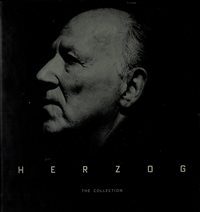
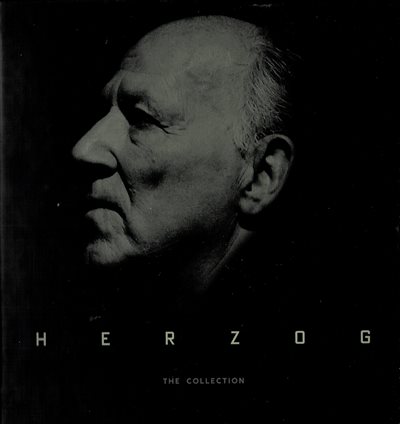
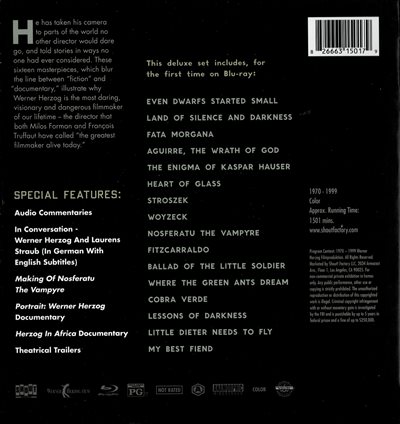
Herzog: The Collection

King Ampaw
TaparicaNana Agyefi Kwame II
Bossa Ahadee (as His Royal Highness Nana Agyefi Kwame II of Nsein)Nana Fedu Abodo
YovoganKofi Yerenkyi
BakokoKwesi Fase
Kankpé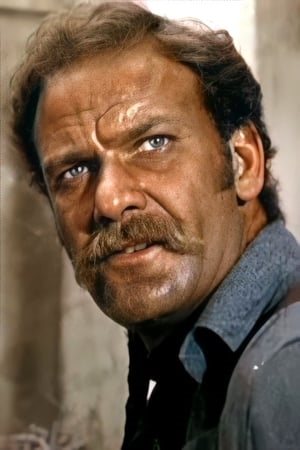
Benito Stefanelli
Captain Pedro VicenteKofi Bryan
Messenger of Bossa AhadeeCarlos Mayolo
Governor of BahiaYolanda García
Dona EpiphaniaMarcela Ampudia
BonitaMaria Elvira Chavez Mejia
WanderleideLuz Marina Rodriguez Molina
ValkyriaHo Ziavi' Zigi Cultural Troupe
Dancing ChoirFred Maire
Francisco Manoel da Silva (voice) (uncredited)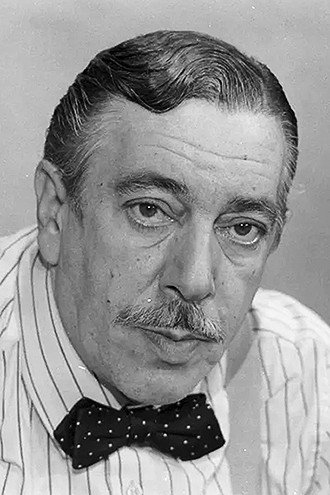
José Lewgoy
Don Octavio Coutinho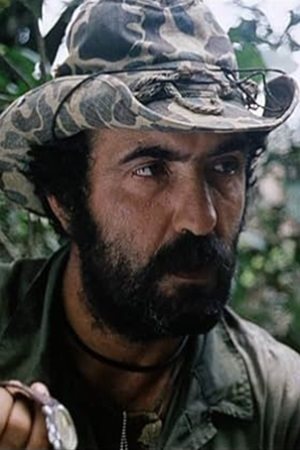
Salvatore Basile
Captain Fraternidade
Peter Berling
BernabéGuillermo Coronel
Euclides
Klaus Kinski
Francisco Manoel da Silva / Cobra Verde
Werner Herzog
DirectorBruce Chatwin
WriterWerner Herzog
Writer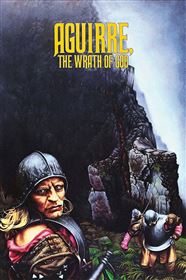
Aguirre, the Wrath of God
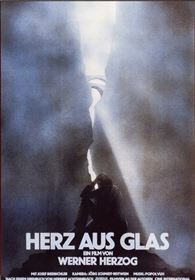
Heart of Glass
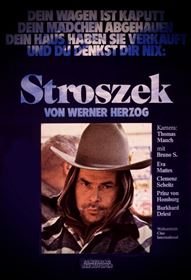
Stroszek
Woyzeck
Fitzcarraldo
Where The Green Ants Dream
Lessons of Darkness
Little Dieter Needs to Fly
My Best Fiend
Invincible
The Wild Blue Yonder
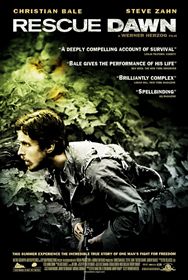
Rescue Dawn
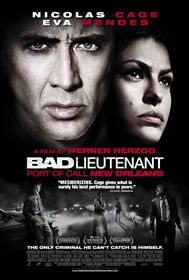
Bad Lieutenant: Port of Call New Orleans

The Salt of the Earth

Family Romance, LLC
The Mission
The Last of the Mohicans
Apocalypto

Silence
The Lost City of Z
Cobra Verde
(DVD)
10/24/2000
Cobra Verde
(DVD)
7/9/2002