
Zelig (1983)
Fantasy/Comedy · 1h 19m · 9/27/2022


Description
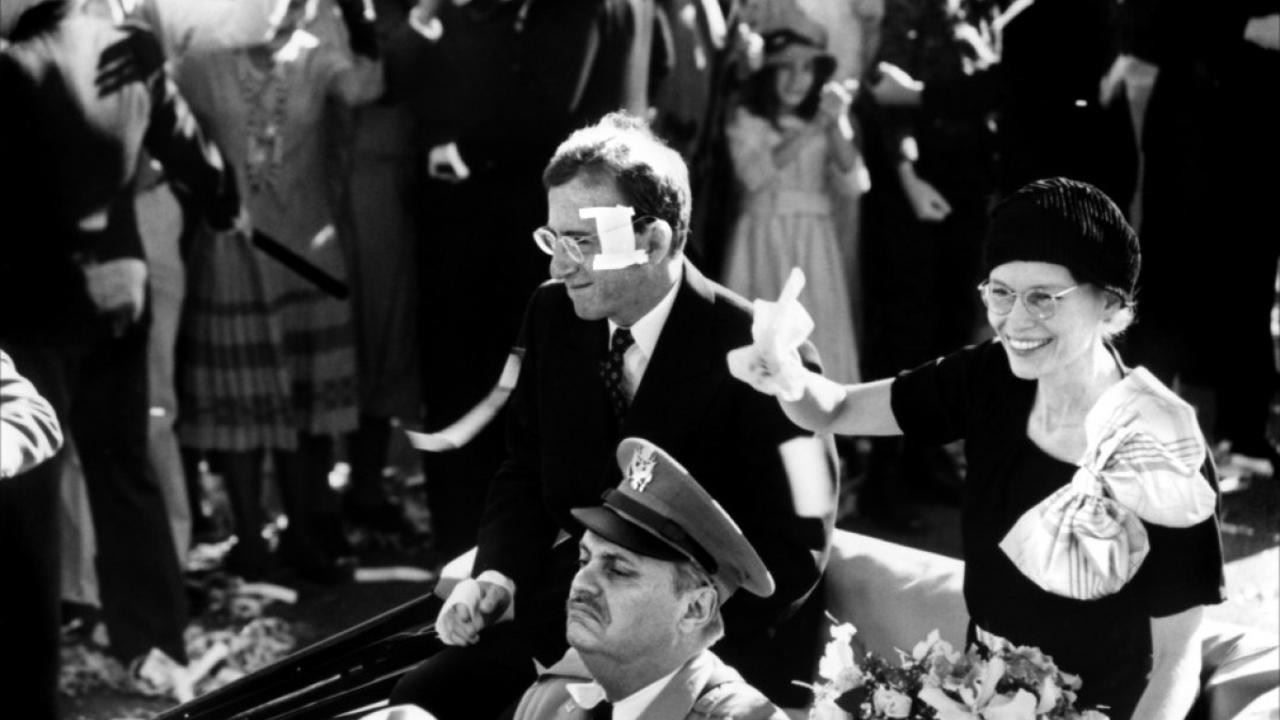
Set in the 1920s and 1930s, the film focuses on Leonard Zelig, a nondescript man who has the ability to transform his appearance to that of the people who surround him. He is observed at a party by F. Scott Fitzgerald, who notices that while mingling with the guests, Zelig sings the praises of the affluent classes in a refined, snobbish accent, but while in the kitchen with the servants, he seethes with rage at the fat cats in a thick proletarian voice. He soon gains international fame as a "human chameleon". Dr. Eudora Fletcher (Mia Farrow) is a psychiatrist who wants to help Zelig with this strange disorder when he is admitted to her hospital.[1] Through the use of hypnotism, she discovers Zelig yearns for approval so strongly he physically changes to fit in with those around him. Dr. Fletcher's determination allows her to cure Zelig, but not without complications; she lifts Zelig's self-esteem but much too high and thus he temporarily develops a personality which is violently intolerant of other people's opinions. Dr. Fletcher realizes she is falling in love with Zelig. Because of the media coverage of the case, both patient and doctor become part of the popular culture of their time. However, fame is the main cause of their division; the same society that made Zelig a hero destroys him. Zelig's illness returns, and he tries to fit in once more. Numerous women claim he married them, and he disappears. Dr. Fletcher finds him in Germany working with the Nazis before the outbreak of World War II. Together they escape and return to America, where they are proclaimed heroes (after Zelig, using his ability to imitate one more time, mimics Fletcher's piloting skills and flies back home across the Atlantic upside down).

Release Country
United StatesBarcode
850035985977Release Date
9/27/2022Media Type
MovieVideo Format
1080pDiscs


Woody Allen
Leonard Zelig
Mia Farrow
Dr. Eudora Nesbitt Fletcher
Patrick Horgan
The Narrator (voice)
John Buckwalter
Dr. Sindell
Marvin Chatinover
Glandular Diagnosis Doctor
Stanley Swerdlow
Mexican Food Doctor
Paul Nevens
Dr. BirskyHoward Erskine
Hypodermic DoctorGeorge Hamlin
Experimental Drugs Doctor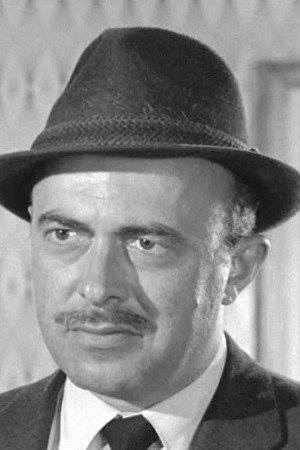
Ralph Bell
Other Doctor
Richard Whiting
Other DoctorWill Hussong
Other DoctorRobert Iglesia
Man in Barber ChairEli Resnick
Man in ParkEdward McPhillips
Scotsman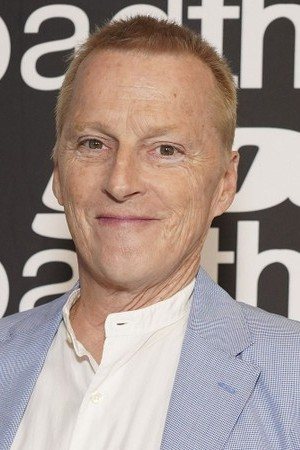
Gale Hansen
Freshman #1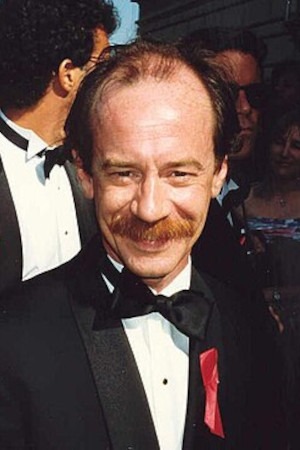
Michael Jeter
Freshman #2 (as Michael Jeeter)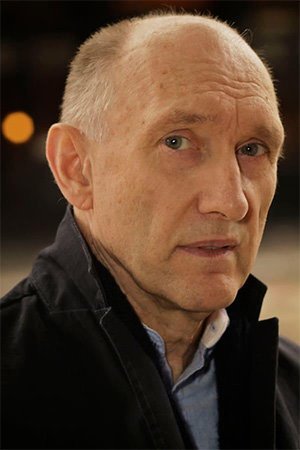
Peter McRobbie
Workers Rally SpeakerSol Lomita
Martin Geist
Mary Louise Wilson
Sister RuthAlice Beardsley
Telephone Operator
Paula Trueman
Woman on TelephoneEd Lane
Man on Telephone
Marianne Tatum
Actress FletcherCharles Denny
Actor Doctor (as Charles Denney)Michael Kell
Actor Koslow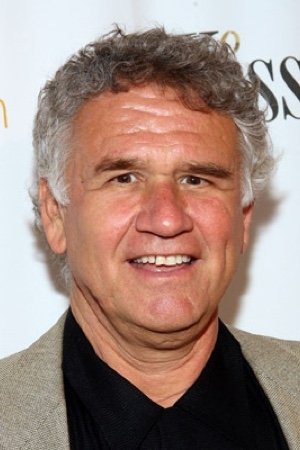
Garrett M. Brown
Actor Zelig (as Garrett Brown)Sharon Ferrol-Young
Miss Baker (as Sharon Ferrol)Richard Litt
Charles KoslowDimitri Vassilopoulos
Martinez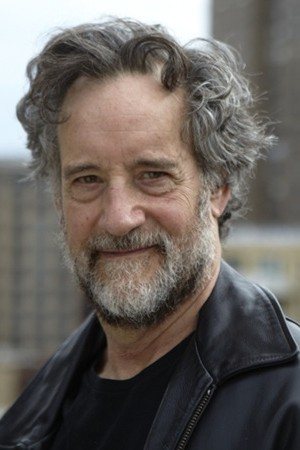
John Rothman
Paul DeghueeStephanie Farrow
Meryl FletcherFrancis Beggins
City Hall Speaker
Jean Trowbridge
Dr. Fletcher's MotherKen Chapin
On-Camera InterviewerGerald Klein
Hearst Guest
Vincent Jerosa
Hearst Guest
Deborah Rush
Lita FoxStanley Simmonds
Lita's LawyerRobert Berger
Zelig's Lawyer
Jeanine Jackson
Helen GrayErma Campbell
Zelig's WifeAnton Marco
Wrist VictimLouise Deitch
House-Painting VictimBernice Dowis
Vilification Woman
John Doumanian
Greek Waiter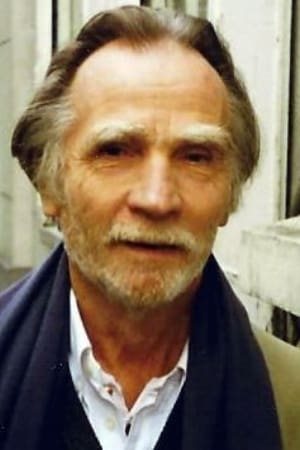
Willy Holt
Rally ChancellorBernie Herold
Carter DeanSusan Sontag
Herself - Contemporary InterviewsIrving Howe
Himself - Contemporary Interviews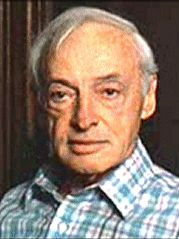
Saul Bellow
Himself - Contemporary Interviews
Bricktop
Herself - Contemporary InterviewsBruno Bettelheim
Himself - Contemporary Interviews (as Dr. Bruno Bettelheim)John Morton Blum
Himself - Contemporary Interviews (as Professor John Morton Blum)Marshall Coles Sr.
Calvin Turner - Contemporary Interviews
Ellen Garrison
Older Dr. Fletcher - Contemporary InterviewsJack Cannon
Mike Geibell - Contemporary InterviewsTheodore R. Smits
Ted Bierbauer - Contemporary InterviewsSherman Loud
Older Paul Deghuee - Contemporary InterviewsElizabeth Rothschild
Older Sister Meryl Fletcher - Contemporary Interviews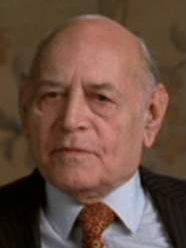
Kuno Sponholz
Oswald Pohl - Contemporary Interviews (as Kuno Spunholz)
Ed Herlihy
Pathe News Announcer (voice)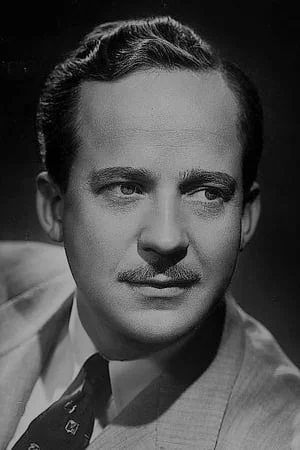
Dwight Weist
Hearst Metrotone Announcer (voice)Gordon Gould
Radio Announcer (voice)Wendell Craig
Universal Newsreel Announcer (voice) (as Windy Craig)Jurgen Kuehn
German U.F.A. Newsreel Announcer (voice)Max Amann
Himself (with Hitler and Streicher) (archive footage) (uncredited) (unconfirmed)
Arthur Anderson
Other Doctor (uncredited)
Josephine Baker
Herself (archive footage) (uncredited)Michael Blevins
Lizard Dancer (uncredited)
Fanny Brice
Herself (archive footage) (uncredited)Wilhelm Brückner
Himself - Walking Behind Hitler (archive footage) (uncredited)Al Capone
Himself (archive footage) (uncredited)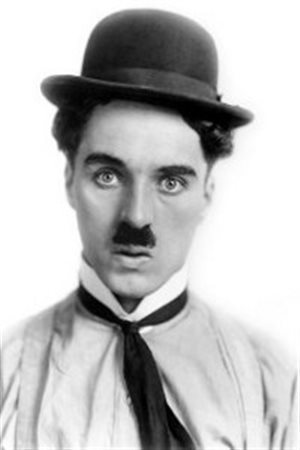
Charles Chaplin
Himself (archive footage) (uncredited)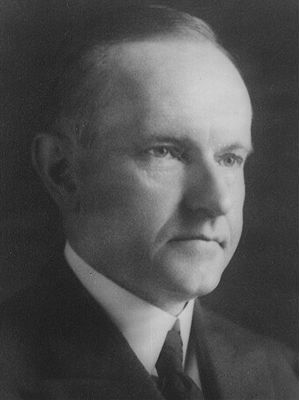
Calvin Coolidge
Himself - Pinning Medal (archive footage) (uncredited)
Marion Davies
Herself (archive footage) (uncredited)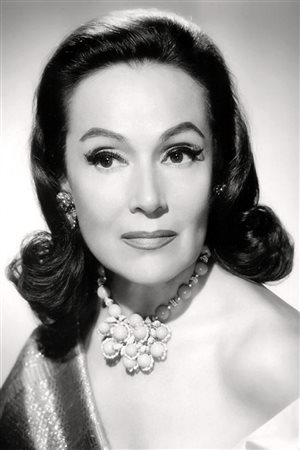
Dolores del Rio
Herself (archive footage) (uncredited)
Sepp Dietrich
Himself - with Hitler and Streicher (archive footage) (uncredited)
Joe DiMaggio
Himself - Playing Baseball (archive footage) (uncredited)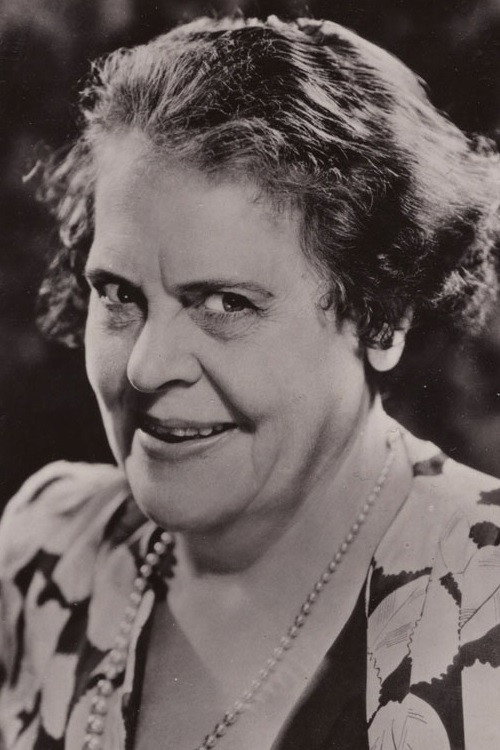
Marie Dressler
Herself (archive footage) (uncredited)
F. Scott Fitzgerald
Himself (archive footage) (uncredited)Lou Gehrig
Himself (archive footage) (uncredited)Josef Goebbels
Himself (archive footage) (uncredited)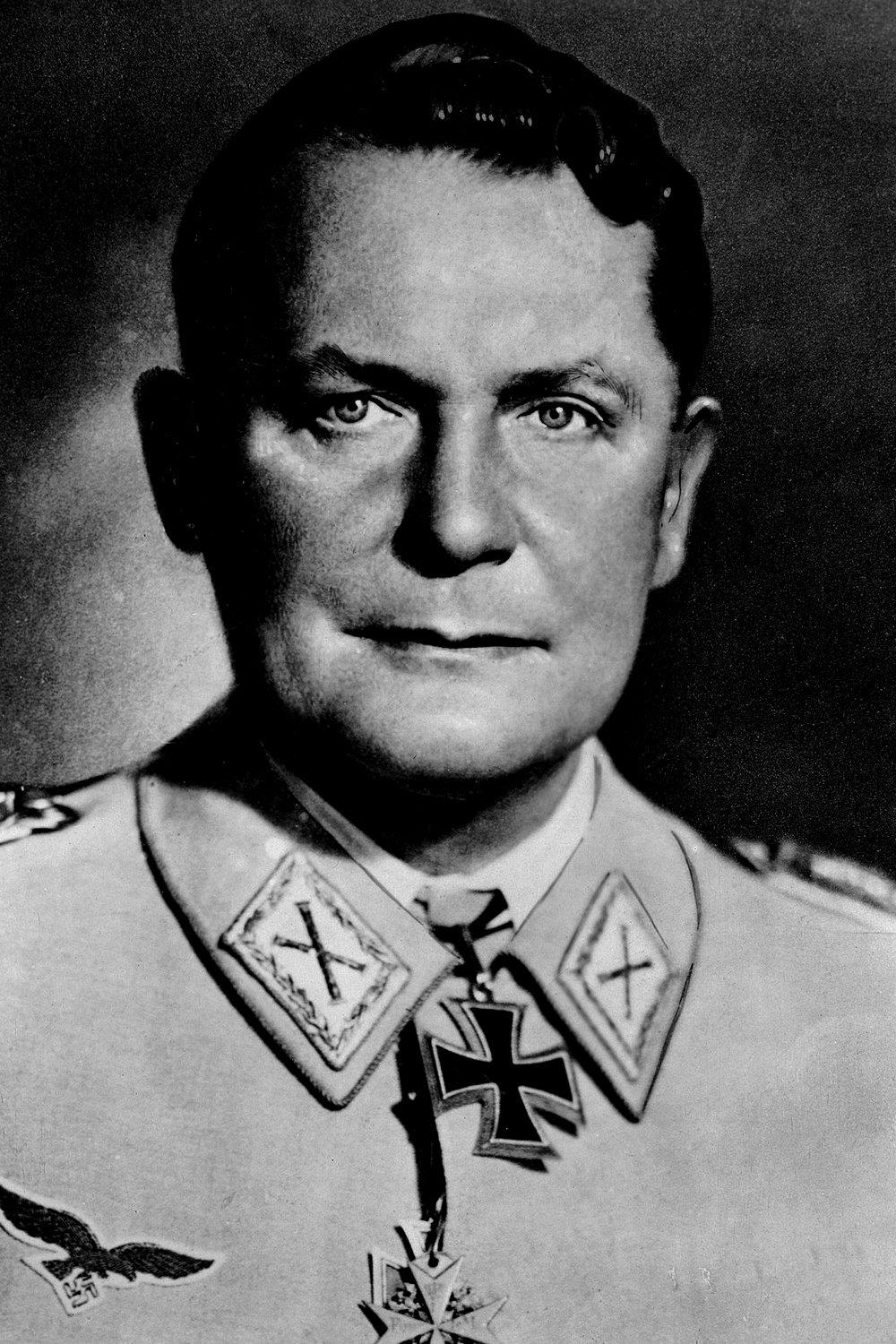
Hermann Göring
Himself (archive footage) (uncredited)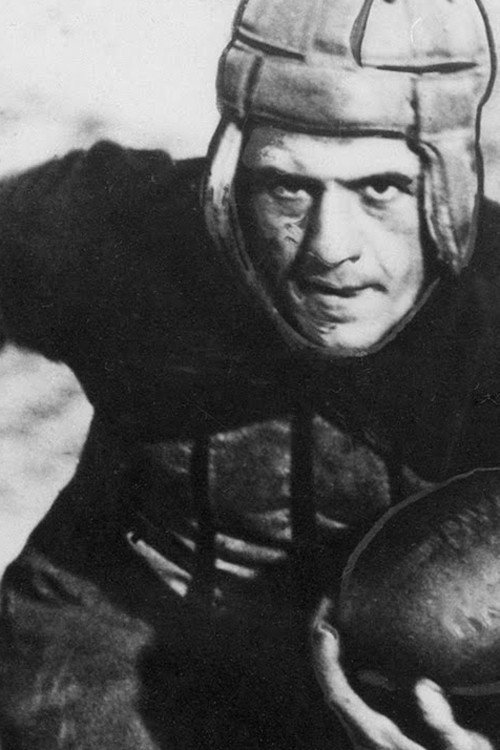
Harold 'Red' Grange
Himself (archive footage) (uncredited)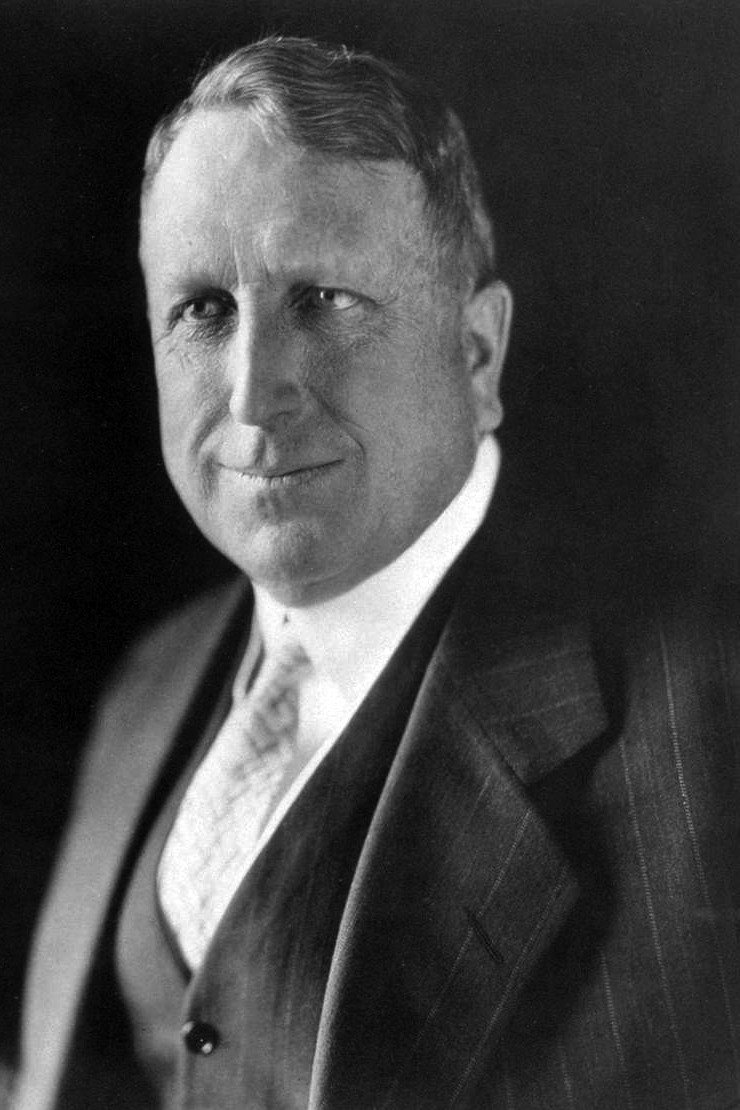
William Randolph Hearst
Himself (archive footage) (uncredited)Rudolf Hess
Himself (archive footage) (uncredited)Adolf Hitler
Himself (archive footage) (uncredited)
Elizabeth Kaitan
German Girl (uncredited)Robert Ley
Himself - with Goebbels (archive footage) (uncredited)Charles A. Lindbergh
Himself (archive footage) (uncredited)
Carole Lombard
Herself (archive footage) (uncredited)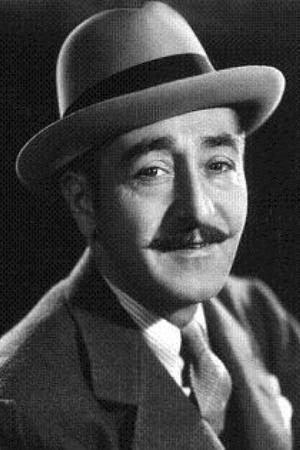
Adolphe Menjou
Himself (archive footage) (uncredited)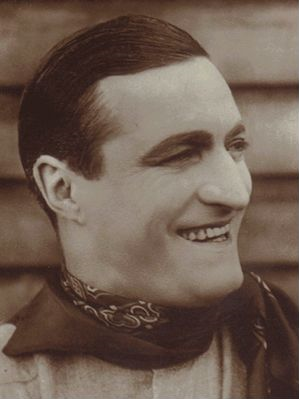
Tom Mix
Himself - At San Simeon (archive footage) (uncredited)Franz Pfeffer von Salomon
Himself with Hitler and Streicher (archive footage) (uncredited)
Mae Questel
voice of Helen Kane (uncredited)Billy Rose
Himself (archive footage) (uncredited)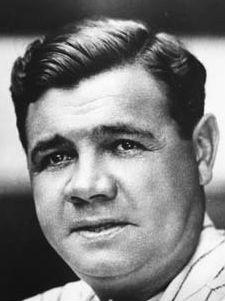
Babe Ruth
Himself - Swinging Bat (archive footage) (uncredited)Julius Schaub
Himself - Walking Behind Hitler (archive footage) (uncredited)Gregor Strasser
Himself - with Back to Hitler (archive footage) (uncredited)Woody Allen
DirectorWoody Allen
Writer
Robert Greenhut
Producer
Gordon Willis
Cinematograpy
Susan E. Morse
Editor
The King of Comedy

Forrest Gump

The Purple Rose of Cairo

Being John Malkovich
Man on the Moon
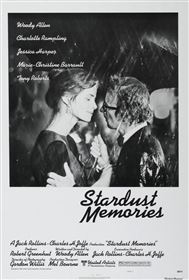
Stardust Memories
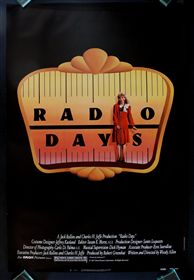
Radio Days

Deconstructing Harry

Sweet and Lowdown

Midnight In Paris

Adaptation.

The Truman Show
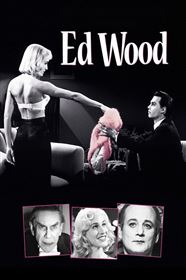
Ed Wood
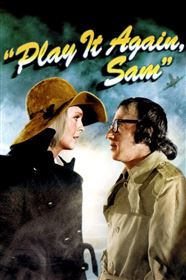
Play It Again, Sam
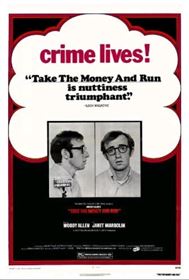
Take the Money and Run

Bananas

Sleeper
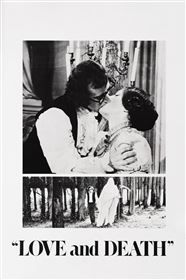
Love and Death

Annie Hall

Interiors

Zelig
(Blu-ray, Keep Case (HD Slim, Low))
8/16/2016
$28.89

Zelig
(DVD, Keep Case (Std.))
11/6/2001

Zelig
(DVD, Keep Case (Std.))
11/6/2001

Zelig
(DVD)